Is the Xiaomi 15 Ultra: The perfect smartphone for photographers Overhyped? A Direct Comparison
 androfyi November 8, 2026 6 min read 1 views
Let me be direct: the Xiaomi 15 Ultra is the most frustrating phone I have tested this year. Not because it is bad – it is genuinely excellent – but because it sits in a pricing tier where every compromise gets magnified. At £1,299 (€1,499), you are squarely in Samsung Galaxy S25 Ultra territory, with the iPhone 16 Pro Max lurking just above, and the Honor Magic 7 Pro offering a compelling triple-lens alternative for significantly less. Xiaomi wants you to believe the 15 Ultra is “the perfect smartphone for photographers.” After six months of real-world shooting, I am here to tell you it is something far more interesting: a camera with a phone attached, and one that demands you work for its brilliance.
The Physical Reality: Materials & Grip
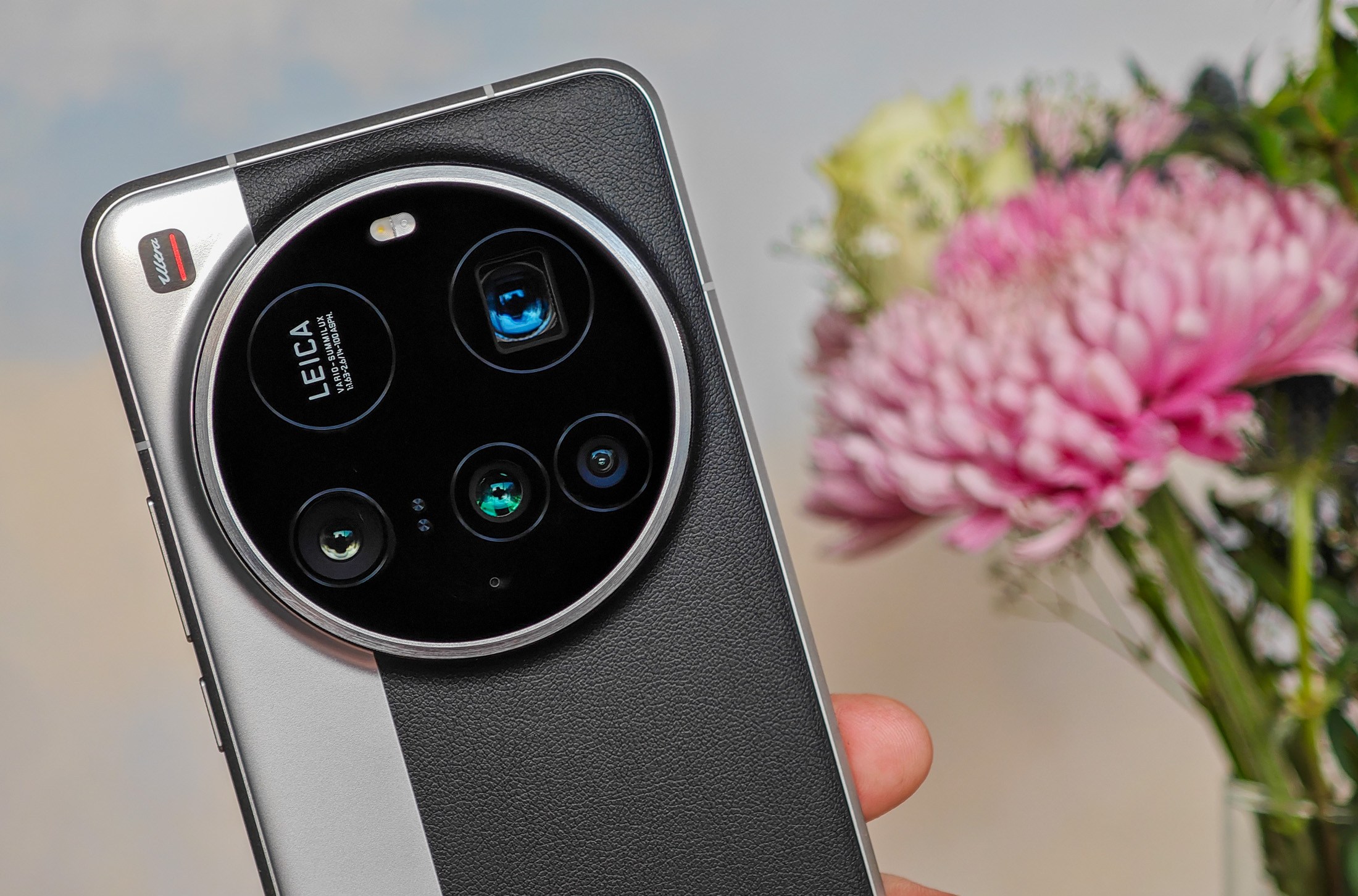
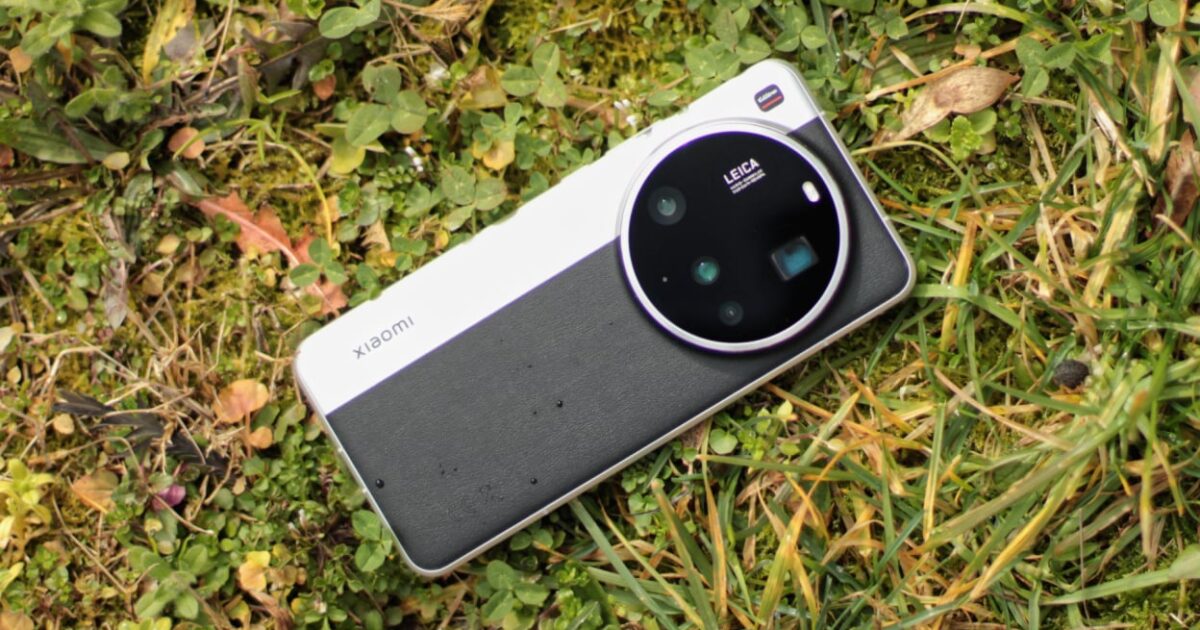
Pick up the Xiaomi 15 Ultra and your hand immediately knows something is different. That colossal camera module dominates the rear panel, making the phone top-heavy in a way that the Galaxy S25 Ultra’s symmetrical design simply does not. After 30 minutes of one-handed shooting, my pinky was aching from supporting the weight redistribution.
The Friction Points:
- Pocket Resistance: The bump catches on fabric every single time you slide it in or out. No exceptions.
- Wireless Charging: The phone cannot lie flat on most Qi pads, creating wobble and alignment headaches.
- Case Dependency: You need a case. Full stop. Without one, the module scratches and the drop dynamics become genuinely risky.
Xiaomi includes a Photography Kit (an additional £179/€199) that adds a physical shutter and lens adapter mount. It transforms the device into something resembling a compact camera, but it also adds bulk that defeats the “slip it in your pocket” promise entirely.
Shutter Lag & Sensor Nuance
Here is where the Xiaomi 15 Ultra separates itself from every Android competitor except perhaps the vivo X200 Pro. The 1-inch 50MP main sensor (Sony LYT-900) captures light with an appetite that smaller sensors simply cannot match. Natural bokeh – the real optical kind, not computational mush – pours out of this lens in a way that makes Pixel’s synthesized blur look digital by comparison.
What Actually Works:
- 200MP Periscope Telephoto: The 1/1.4-inch 4.3X periscope sensor is a genuine leap forward. I photographed a fox at dusk from 40 metres away and the fur detail held up through aggressive cropping.
- 50MP 3X Telephoto: Handles portrait distances beautifully, with colors that match the main sensor more closely than any previous Xiaomi Ultra.
- Shutter Response: Near-instantaneous in good light. The Snapdragon 8 Elite’s image signal processor chews through capture without the micro-stutters I experienced on the 14 Ultra.
- Low-Light Capture: Noise-free high ISO results that embarrass the Galaxy S25 Ultra at equivalent settings.
Where It Stumbles:
- Lens Consistency: Switch between the main and telephoto in quick succession and you will notice color temperature shifts. Warm on one, cool on the other. It is not always present, but it happens more than it should.
- Highlight Blowout: Bright sources occasionally clip when jumping focal lengths, requiring post-processing correction.
- Variable Aperture Regret: The Xiaomi 14 Ultra had a variable aperture on its main lens. The 15 Ultra drops it. Auto-mode shots lost some of that consistency, and manual control cannot fully replace it.
- Processing Mood: Longtime shooter Jermaine (Through Jermaine’s Lens, 43K subs) nailed it after six months: “That lack of mood is still there.” Xiaomi’s processing leans technical over emotional compared to the 14 Ultra’s occasional magic.
The Nuance: Xiaomi 15 Ultra: The perfect smartphone for photographers vs The Competition
Stack the 15 Ultra against its actual rivals and the picture gets complicated. The Samsung Galaxy S25 Ultra offers better software consistency, a brighter telephoto in daylight, and wireless charging that actually works flat on a pad. The Pixel 9 Pro delivers computational photography that requires zero thought. The Honor Magic 7 Pro retains a variable aperture and undercuts the Xiaomi on price.
The Structural Tradeoff Nobody Talks About:
Xiaomi chose sensor size over computational assistance. The 15 Ultra’s cameras produce images that look less “processed” than Google’s pipeline – potentially better for it, as multiple reviewers noted. But this means YOU must do more post-processing work. The phone gives you raw material; Samsung and Pixel give you finished products. If you are a photographer who shoots in Pro mode, edits in Lightroom, and values dynamic range over convenience, the Xiaomi wins. If you want point-and-shoot consistency, look elsewhere.
The videography story is stronger. The Xiaomi 15 Ultra is one of only two phone lines (alongside the iPhone 15/16 Pro) to support ACES Log video capture. You get 8K/30fps, 4K/120fps, Dolby Vision recording, and full sensor switching mid-recording at up to 4K/30fps. For serious mobile videographers who prefer Android to iOS, there is currently nothing else at this level.
Performance across the board is identical to other Snapdragon 8 Elite flagships. The 16GB of RAM and UFS 4.1 storage make app switching and camera launch times excellent, but you would never feel the difference between this and the Galaxy S25 Ultra’s 12GB setup outside of benchmarking apps. The 6.73-inch LTPO AMOLED display at 3200 x 1440 resolution with 3200 nits peak brightness is genuinely stunning – visible even under harsh Barcelona sun at noon.
Battery life, however, is merely good rather than exceptional. The silicon-carbide battery tech enables blistering wired charging, but screen-on longevity trails rivals like the Magic 7 Pro. Plan for a top-up before a long photography session.
The Definitive Buy vs Pass Factors
Buy If:
- You shoot in manual/Pro mode and want maximum raw dynamic range from a smartphone sensor.
- Wildlife and distant subjects are your primary focus – the 200MP periscope is genuinely class-leading.
- Android videography matters – ACES Log and 8K capture make this a legitimate iPhone alternative for video.
- You value optical bokeh over computational simulation for portraits and street work.
- The Leica color science appeals to your aesthetic – warm, filmic tones straight out of camera.
Pass If:
- You own a Xiaomi 14 Ultra – the improvements are incremental, not revolutionary.
- One-handed shooting is non-negotiable – the weight distribution will exhaust you.
- You rely on wireless charging pads – the camera bump makes flat placement impossible.
- Consistency across lenses is your priority – Samsung and Google deliver more uniform results.
- You want the best software experience – HyperOS 2 remains a step behind One UI and Pixel UI in polish and update reliability.
The Xiaomi 15 Ultra is not the perfect smartphone for photographers. It is a brilliant camera trapped inside a compromised phone design, priced at a level where perfection is expected. But if your photography workflow embraces manual control, post-processing, and the pursuit of genuine optical character over computational convenience, this is the Android camera phone to beat in 2025. Just buy a case. And maybe a bigger pocket.
Tags: Xiaomi 15 Ultra review, best camera phone 2025, Xiaomi 15 Ultra vs Samsung Galaxy S25 Ultra, Xiaomi 15 Ultra photography kit, 200MP periscope telephoto phone, Leica camera phone, best smartphone for videography 2025, Xiaomi 15 Ultra long term review, ACES Log Android phone, Xiaomi 15 Ultra vs iPhone 16 Pro camera, HyperOS 2 camera review, Snapdragon 8 Elite camera performance, best phone for wildlife photography, Xiaomi 15 Ultra battery life real world, Honor Magic 7 Pro vs Xiaomi 15 Ultra