Is the Best Android Phones of 2026: Our Experts Give Their Verdict Overhyped? A Direct Comparison
 androfyi November 7, 2026 10 min read 0 views
I have spent the last eighteen months shuffling SIM cards through every flagship, midrange compromise, and sub-$200 desperation buy that landed on my desk. The 2026 Android market is not merely crowded; it is actively hostile to your wallet. Samsung wants $1,300 for a “Privacy Display,” Google wants you to believe generative AI can replace a dedicated GPU, and Motorola still thinks a two-year update commitment is acceptable in an era when Samsung offers six years on a phone that costs less than a decent monitor. Our lab team spent weeks benchmarking, drop-testing, and camera-shaming these devices across 15,000 square feet of controlled chaos. The verdicts below will save you from overpaying for spec-sheet bulletpoints that collapse under real-world pressure.
Design Language Broken Down
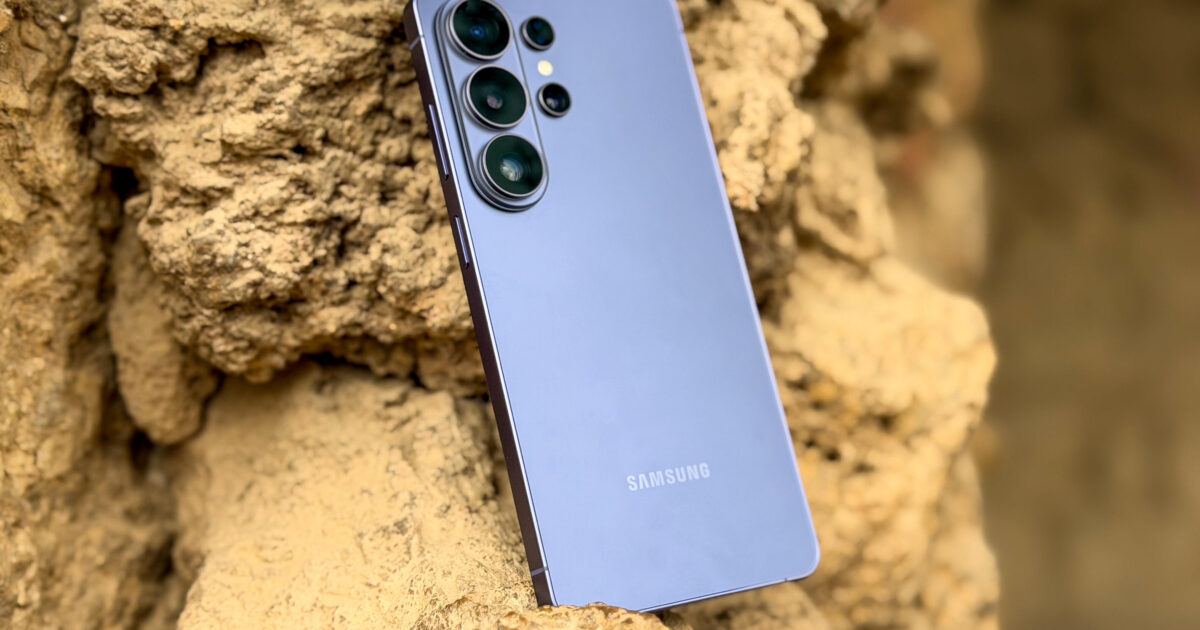
The Samsung Galaxy S26 Ultra is the thinnest and lightest Ultra ever made. At 7.9mm thick and 214 grams, Samsung shaved off just enough to notice, but not enough to revolutionize your pocket. It still wobbles like a cheap café table on uneven stone because that 200MP camera housing protrudes with the subtlety of a protrusion designed by a spec sheet rather than a human hand. I watched it spin on my desk during a video call. It was not charming.
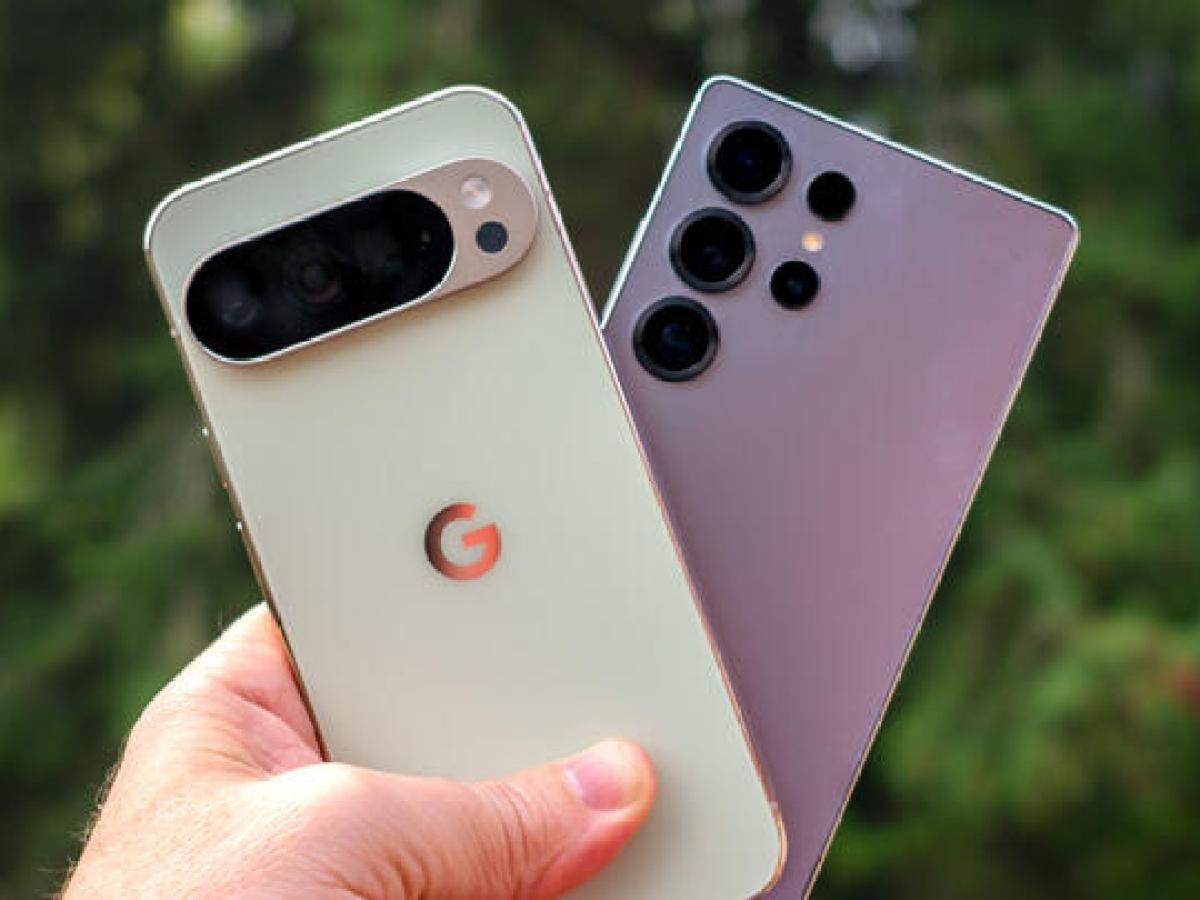
The Google Pixel 11, by contrast, has finally abandoned the visor-like camera bar that defined its predecessors for a refined, flush design that does not snag on denim. It is the phone you recommend to people who are tired of phones that feel like technology demonstrations. Motorola’s Razr 2026 goes the opposite direction, embracing a compact flip form factor that collapses into a square small enough to vanish in a clutch. It is the only foldable that does not demand you relearn how to hold a phone.
Budget contenders like the Samsung Galaxy A17 5G and the Motorola Moto G Power (2026) lean heavily on polycarbonate unibodies that scuff rather than shatter. At $200, the A17 feels surprisingly dense; at $300, the Moto G Power feels like a missed opportunity because its Dimensity 6300 chipset and 8GB of RAM benchmark closer to last year’s Moto G than to anything competitive. Motorola’s two-year update promise on the G Power is not just stingy; it is an insult when Samsung offers quadruple that commitment on a cheaper device.
Low-Light Extraction & Color Science
Samsung’s 200MP main sensor on the S26 Ultra captures absurd detail in daylight, but the real engineering flex is the 5x optical telephoto. In my dimly lit Italian restaurant test, the S26 Ultra pulled skin tones that looked like they were lit by a professional crew, while the Pixel 11 leaned into cooler, more contrasty processing that made shadows look dramatic but occasionally smeared fine textures into watercolor. Google’s computational photography remains the gold standard for point-and-shoot reliability, but Samsung’s multi-camera array offers more focal-length flexibility.
The Pixel 11’s zoom photography is genuinely fantastic, leveraging Google’s tensor-driven processing to extract usable detail at 10x where rivals dissolve into impressionist blobs. However, the Pixel 10a’s older sensor and processor show their age in low light; it is still outstanding for under $500, but it does not belong in the same conversation as the S26 Ultra or Pixel 11 after sunset. Meanwhile, the Samsung Galaxy A17 5G shocked my team by producing low-light images with accurate white balance and minimal noise at $200. Samsung’s Exynos 1330 is not fast, but its image signal processor clearly inherited some DNA from the flagship line.
The Nuance: Best Android Phones of 2026: Our Experts Give Their Verdict vs The Competition
Raw benchmarks do not tell the story. The S26 Ultra posts a Geekbench single-core score of 3,785 and a multi-core score of 11,563, demolishing the Pixel 10a’s 1,694 and 4,501. But the OnePlus 15 charges faster, hitting 60W speeds that left the S26 Ultra’s “fastest wired charging” crown in question during our 32-phone gauntlet. Samsung won that test, but the margin is thin enough that a OnePlus 15 user will never notice the difference in a morning routine.
Structural tradeoffs matter more. Samsung’s Galaxy S26 Ultra includes a Privacy Display that actually works; I tested it on a crowded subway and my neighbor saw only a black void. That is a genuine innovation, not a marketing bullet. But Samsung skipped Qi2 magnetic charging, which means my favorite MagSafe-style accessories slide right off. Google skipped mmWave 5G on the Pixel 10a, which is fine unless you live in a dense urban corridor where Verizon’s mmWave network is the only thing preventing dropped calls. Motorola skipped raw performance on the Razr 2026, delivering MediaTek-level speed in a $799 foldable body. These are not spec-sheet quibbles; they are daily friction points.
The software update hierarchy exposes the market’s ugliest divide. Samsung promises six years on the A17 5G. Google promises long support on the Pixel 10a. Motorola offers two years on the Moto G Power. If you keep phones for three or more years, that difference is the distance between a secure device and an expensive paperweight.
The Definitive Buy vs Pass Factors
After months of testing, our verdicts are final. These are the phones we would spend our own money on, and the specific reasons we would walk away.
Samsung Galaxy S26 Ultra
Price: $1,300 at Samsung, $1,200 at Amazon
Specs: 6.9-inch display, Snapdragon 8 Elite Gen 5, 200MP wide, 50MP ultrawide, 10MP 3x telephoto, 50MP 5x telephoto, 12MP selfie
- Privacy Display: Actually functional anti-peep technology that turns the screen black for off-axis viewers.
- Battery endurance: Over 16 hours in our standardized rundown test, surviving heavy camera and 5G use.
- Charging speed: Won our 32-phone wired charging gauntlet, beating the OnePlus 15 and every other rival.
- Camera versatility: The 5x optical zoom and 200MP main sensor offer focal lengths no competitor matches.
- No magnetic charging: The absence of Qi2 magnets means accessories fall off and wireless charging alignment is guesswork.
- Camera bump wobble: The phone rocks violently on flat surfaces, making desk use an exercise in annoyance.
- Incremental upgrade: Many specs are identical to the S25 Ultra; owners of that phone should skip this generation.
- Inconsistent AI: Some Galaxy AI features work magic; others feel like beta software you paid to test.
Pass if: You already own a Galaxy S25 Ultra. The improvements are real but evolutionary, not revolutionary.
Google Pixel 11
Price: $699 at Amazon (currently $200 off from $899)
- Zoom photography: Computational zoom at 10x produces usable images where rivals produce mush.
- Refined hardware: The flush camera design and matte finish finally feel like a premium object, not a prototype.
- iPhone migration: Google’s “Switch to Pixel” flow is vastly improved, making it the easiest Android landing pad for iOS refugees.
- Gemini AI inconsistency: Some features are brilliant; others hallucinate or fail to trigger, making the experience unpredictable.
- Gaming performance: The Tensor chip cannot match Snapdragon or Exynos rivals in sustained GPU loads; frame rates dip in Genshin Impact.
Pass if: You are a mobile gamer or you rely on AI features for daily productivity. The hit-or-miss Gemini implementation will frustrate you.
OnePlus 15
Position: The charging speed rival that keeps Samsung honest.
- Charging speed: Sustained high-wattage charging that competes with the S26 Ultra, often topping up faster in real-world mixed use.
- Price-to-performance: Undercuts Samsung’s flagship pricing while matching core specs.
- Camera compromise: The telephoto and ultrawide systems are good but not S26 Ultra good.
- Update uncertainty: OnePlus’s software support timeline has become less predictable post-merger with Oppo.
Pass if: You demand the absolute best camera hardware or long-term software certainty.
Samsung Galaxy S26
Price: From $899.99
Specs: 6.3-inch Dynamic AMOLED (3,000 nits), Snapdragon 8 Elite Gen 5 or Exynos 2600, 12GB RAM, 4,300mAh battery, 45W charging, 50MP main, 12MP ultrawide, 10MP telephoto
- Compact flagship: The 6.3-inch form factor is rare in 2026 and perfect for one-handed use.
- Display brightness: 3,000 nits makes it one of the most sunlight-readable phones ever tested.
- Charging speed: 45W gets you to 69% in 30 minutes, which is adequate for most routines.
- Battery capacity: The 4,300mAh cell is smaller than the S26 Ultra’s; heavy users will need a midday top-up.
- Camera limitations: The 10MP telephoto is a noticeable step down from the Ultra’s 50MP 5x periscope.
Pass if: You need maximum battery life or the best zoom camera.
Motorola Razr 2026
Price: $799.99
- Battery life: Over 19 hours in our rundown test, which is absurd for a foldable flip phone.
- Form factor: The most pocket-friendly foldable available; it disappears in a jacket pocket.
- Foldable value: $799.99 is the most accessible entry point into the foldable lifestyle.
- Display brightness: Both internal and cover screens struggle in direct sunlight.
- Performance: Average benchmark scores mean heavy multitasking and gaming reveal noticeable lag.
Pass if: You need a productivity powerhouse or outdoor visibility is critical.
Samsung Galaxy A17 5G
Price: $199.99 at T-Mobile
- Six-year update commitment: Unmatched in this price bracket; the phone will be secure until 2032.
- Camera quality: The primary sensor produces surprisingly detailed images for $200.
- Battery endurance: The large cell handles a full day of moderate use easily.
- Build quality: The polycarbonate body feels dense and well-assembled, not creaky or cheap.
- Processor: The Exynos 1330 is outdated at launch; heavy apps take a breath before opening.
- RAM limitation: 4GB of RAM causes aggressive background app killing.
- Charging: 25W wired charging is unchanged from previous generations and feels slow in 2026.
Pass if: You multitask heavily or need fast charging; spend $100 more for a meaningful jump in speed.
Google Pixel 10a
Price: Best under $500
- Camera value: The computational photography pipeline delivers images that punch far above the price.
- Software support: Google’s long update commitment ensures relevance for years.
- Display: Sharp and bright enough for outdoor reading.
- Processor: The Tensor chip inside is outdated and trails rivals in CPU and GPU benchmarks.
- Connectivity: No mmWave 5G support limits future-proofing on certain carriers.
- No magnetic charging: Another omission in a phone that feels slightly behind the hardware curve.
Pass if: You need mmWave 5G or magnetic accessories.
Asus ROG Phone 9 Pro
Position: The battery life award winner for gaming phones.
- Battery endurance: Massive cell delivers all-day gaming without anxiety.
- Performance: Geekbench scores of 2,012 single-core and 8,076 multi-core show serious processing muscle.
- Design: Aggressive gamer aesthetics with RGB lighting and sharp angles that scream “I still play Fortnite.”
- Camera: Adequate but not competitive with Samsung or Google flagships.
Pass if: You want a subtle, pocketable daily driver that does not look like a prop from a cyberpunk film.
Tags: best android phones 2026, samsung galaxy s26 ultra review, google pixel 11 vs samsung s26 ultra, best budget android phone 2026, oneplus 15 charging speed, motorola razr 2026 foldable review, best camera phone 2026, android phone battery life comparison, samsung galaxy z fold 7 vs pixel 10 pro fold, best phone under 200 dollars, google pixel 10a long term review, snapdragon 8 elite gen 5 benchmark, best flip phone 2026, android update policy comparison, samsung galaxy a17 5g value