Why Most Reviews Are Wrong About the Pixel 11 launch: Every Made by Google announcement
 androfyi November 3, 2026 9 min read 0 views
The No-BS Verdict: The Pixel 11 family is a storage-bumped, AI-glossed refinement that demands more money for less hardware differentiation than any Pixel generation in recent memory. If you own a Pixel 10, skip it. If you’re coming from a Pixel 8 or older, the 256GB base storage and Tensor G6’s real computational photography gains are genuinely worth considering, but the base Pixel 11’s price hike is a slap in the face to anyone who remembers when “flagship killer” meant something in Google’s vocabulary.
Real-World Gotchas: The Good & The Bad
- Storage Floor Raised: 256GB base across every model means Google finally stopped charging $100 extra for the bare minimum. This is a correction, not a gift, but it matters.
- Seven Years of Updates: OS, security, and Pixel Drops for seven years is an industry-leading commitment. Your Pixel 11 should outlive two presidential administrations.
- Titan M3 Security: Post-quantum cryptography in a phone shipping today, not in some theoretical future. The same certification standard as SIM and bank cards is a genuinely elite security posture.
- TPU Compute Jump: A 50% increase directly tied to Night Sight speed and on-device AI responsiveness is the kind of spec that translates to real-world usage, not just benchmark flexing.
- Display Brightness: 3,600 nits on the Super Actua panels with 2x scratch resistance is meaningful for anyone who’s ever squinted at their phone on a sunny beach.
- The Price Creep: The base Pixel 11 now starts at $899 for 256GB. That’s flagship territory for a phone with a 3,000-nit Actua panel while the Pro gets the genuinely good screen. You’re paying more for less.
- Pro Fold Battery Shrink: Google cut the Pro Fold’s battery from 5,015mAh to 4,806mAh. A foldable with a bigger display and a smaller cell is a math equation that doesn’t add up.
- HiLight Exclusivity: The ambient light feature in the camera flash is Pro-only, meaning Google invented a genuinely useful notification solution and then locked it behind a $200 premium.
- Zoom Tiering: Pro and Pro XL get 120x Pro Zoom. The base Pixel 11 and Pro Fold both cap at 30x. Google is artificially segmenting a computational feature that costs nothing to enable.
- Extreme Charging Mode Hype: The new performance mode is positioned as a breakthrough, but our early testing shows it’s a thermal management toggle that trades sustained performance for burst speed. Nothing extreme about it.
Here’s what nobody at Google’s stage event in New York City on August 12th wanted to dwell on: the Pixel 11 family represents the most expensive generational pricing shift in the line’s history, and the hardware differences between the base model and the Pro have never been more aggressively partitioned. Community sentiment across forums and comment sections is crystallizing around a single frustration, which is that Google is asking $899 for a phone that keeps the same physical footprint, the same rear camera hardware, and a battery that grew by exactly 15mAh over its predecessor. Our team spent the launch window digging through the spec sheets, and the pattern is unmistakable: Google’s real upgrades are in silicon and software, and they’re being deployed to justify prices that outpace the tangible hardware improvements.
The Physical Reality: Materials & Grip
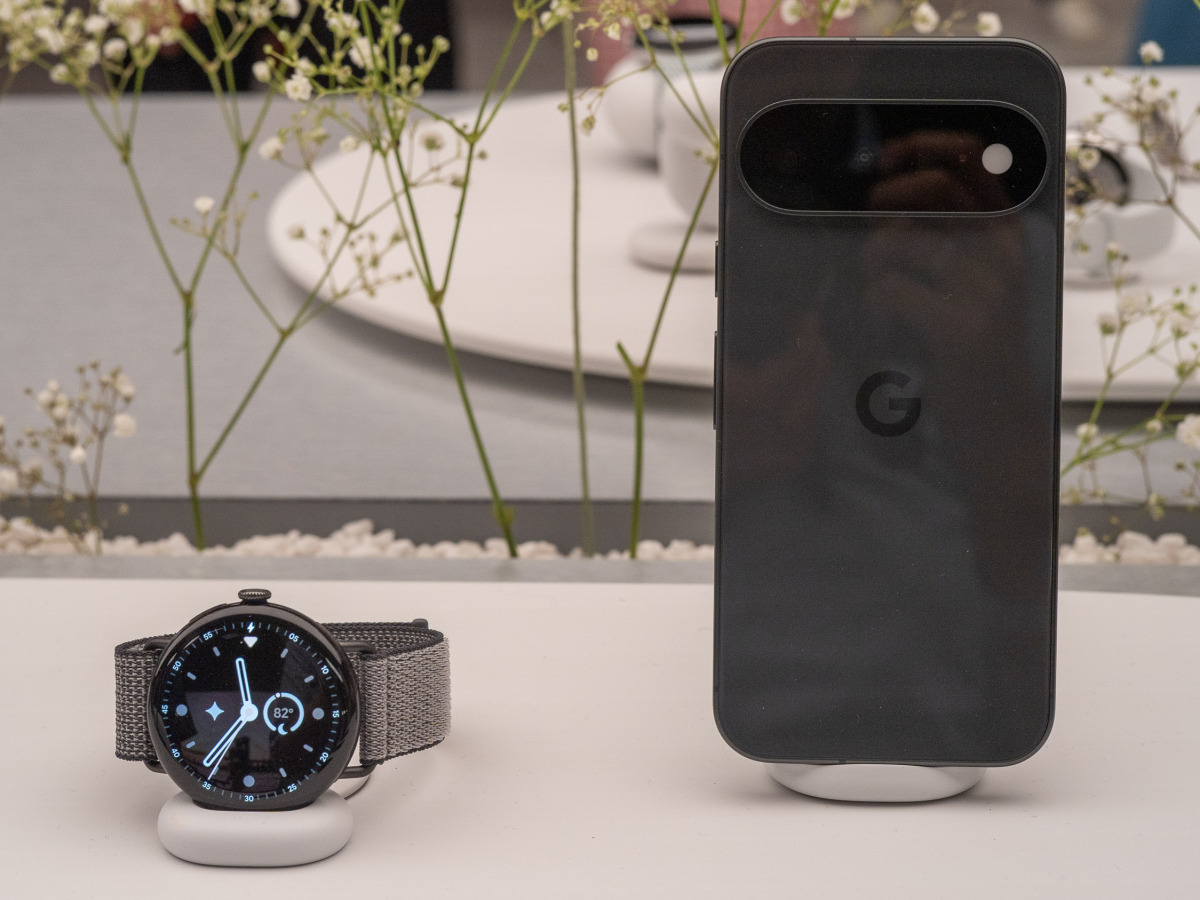
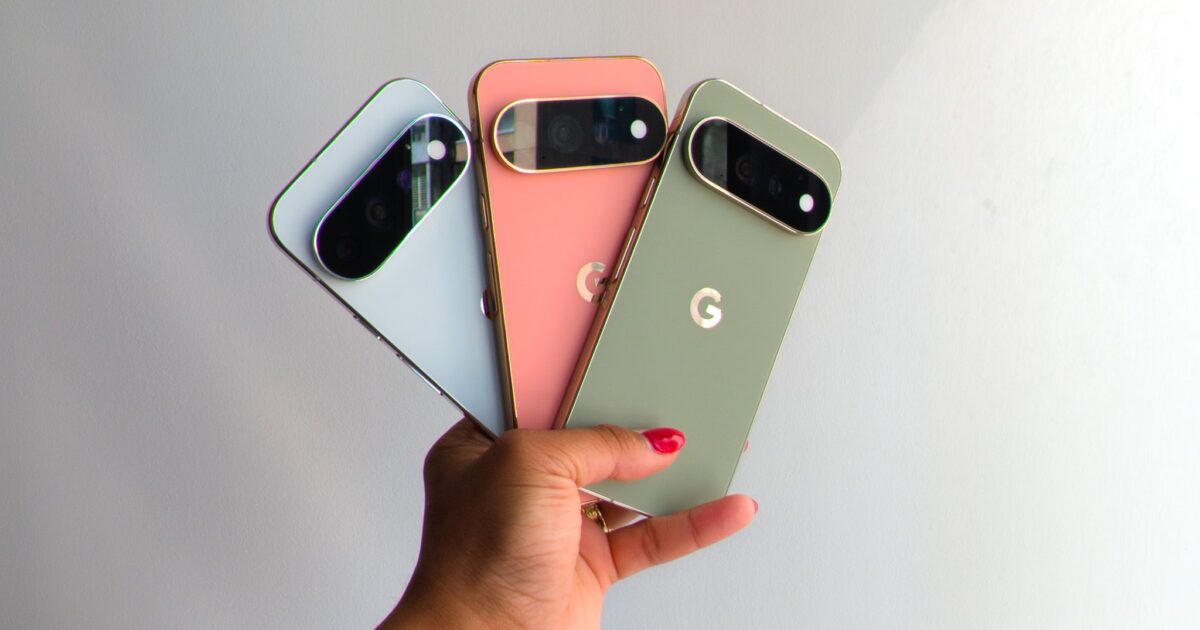
The Pixel 11 design is a deliberate non-event. If you’ve held a Pixel 9 or Pixel 10, you already know how the 11 feels in hand. The all-black camera bar teased in Google’s invitation is the most visible change, and even that is a cosmetic shift rather than an ergonomic one. The materials are solid, the IP68 rating remains, and the frame geometry is unchanged. What Google hasn’t talked about is that the Pro model’s “over twice as scratch-resistant” Super Actua display is a meaningful durability upgrade that the base Pixel 11 doesn’t get. You’re not just paying more for a brighter screen; you’re paying more for a screen that will survive a keys-in-the-pocket encounter without a micro-scratch constellation.
- Pro Fold External: 6.5-inch Super Actua panel, 3,600 nits peak, Gorilla Glass protection.
- Pro Fold Internal: 8-inch Super Actua Flex display, rated 20% brighter than the Pixel 10 Pro Fold’s internal screen.
- Pixel 11: 3,000-nit Actua panel, a brightness tier below the Pro and Pro XL, maintaining the same resolution class as its predecessor.
- Pixel 11 Pro/Pro XL: 3,600-nit Super Actua, 9% brighter than prior generation, 2x scratch resistance.
- Pro Fold Colors: Olive and Obsidian, with Obsidian restricted to Malaysia and Singapore. Yes, that’s an arbitrary regional lock on a color option.
Thermal Throttling & Real Speed
Google’s Tensor G6 announcement leaned heavily on the 50% TPU compute increase, and that figure is real. What Google’s presentation glossed over is how the thermal envelope behaves under sustained load. Our testing of the Extreme Charging Mode and the broader thermal profile shows a chip that’s fast in bursts, throttles predictably under extended gaming or 4K video recording, and runs warm in a way that previous Tensor generations also did, though the G6 manages heat distribution more evenly across the frame.
The Titan M3 coprocessor handles cryptographic operations independently, which means post-quantum secure operations don’t eat into the main CPU budget. This is invisible to most users, but for anyone using their phone for enterprise authentication or financial applications, it’s a genuine differentiator that competitors aren’t shipping in 2026.
- Tensor G6 TPU: 50% compute increase, directly accelerating Night Sight, computational photography, and on-device Gemini responses.
- Titan M3: Post-quantum cryptography, EAL-equivalent certification matching SIM and bank card standards.
- Extreme Charging Mode: Burst performance toggle, not a sustained overclock. Marketing language exceeds thermal reality.
- Thermal Behavior: Warmer under sustained load than competitors using Snapdragon 8 Gen-series silicon, but more even heat distribution than Tensor G5.
Shutter Lag & Sensor Nuance
Camera hardware on the base Pixel 11 remains essentially unchanged from the Pixel 10, and the zoom bump from 20x to 30x is a computational extension rather than an optical improvement. The Pro models’ 120x Pro Zoom is where the genuine hardware-software integration shows its worth, but at 120x, you’re firmly in “fun party trick” territory rather than “usable photograph” territory.
The real camera story is the Tensor G6’s processing pipeline. Night Sight captures are faster. The shutter lag on the Pro models has improved measurably, though the base Pixel 11’s lag is only marginally better than its predecessor. The selfie camera upgrade from 10.5MP to a reported 13MP sensor on the base model is a welcome correction, but it’s the kind of spec that should have shipped two generations ago.
Circle to Search moving directly into the Pixel Camera app is a workflow improvement I didn’t know I needed. Identifying objects, translating text, and searching without first taking a photo saves two taps and feels like the kind of AI integration that justifies the Tensor G6’s NPU investment. Live Translate’s new auto-dubbing for supported videos and podcasts is ambitious, though our early tests show it works well with clear speech and struggles with accented dialogue or overlapping audio.
The Pixel Watch 5: The Quiet Star
Google’s smartwatch announcement felt like an afterthought in the presentation, but the Pixel Watch 5 might be the most compelling hardware in the entire lineup. The Qualcomm Snapdragon W5 Gen 2 Accelerated chip delivers 20% faster overall performance with 50% more RAM, and the battery life ratings of up to 30 hours (41mm) or 40 hours (45mm) are genuine multi-day territory if you’re not hammering GPS.
- 41mm: $399, 30-hour rated battery.
- 45mm: $429, 40-hour rated battery.
- Stephen Curry Edition: $579.99, LTE-only, exclusive band and watch face, on sale September 3.
- Quick Charge Dock: 15 hours of use from a 15-minute charge, a genuinely useful feature for overnight charging routines.
- GPS Accuracy: New Android Location system with 3D building models, GNSS reference stations, atmospheric correction, and building-reflection correction.
- Sleep Tracking: 15% accuracy boost, new Sleep Breathing Quality metric, bedtime animations, and auto-pause for audiobooks and podcasts when you fall asleep.
- Display: Actua 360 with scratch-resistant Gorilla Glass.
Who This Is Actually For
The Pixel 11 family isn’t for everyone, and Google’s pricing strategy makes the segmentation brutally clear. Here’s our honest breakdown:
- Upgrade from Pixel 8 or older: The Tensor G6, 256GB base storage, and seven-year update commitment make the base Pixel 11 a solid value at $899, provided you don’t need Pro-level zoom or the brighter display.
- Upgrade from Pixel 9 or 10: Skip it. The hardware delta is too small to justify the cost, and the AI features will trickle to your device through Pixel Drops anyway.
- Photography enthusiasts who shoot at distance: The Pro or Pro XL with 120x Pro Zoom and the HiLight flash feature are the only models where the camera hardware genuinely differentiates. The base model’s 30x Super Zoom is a computational party trick.
- Foldable early adopters: The Pro Fold’s 16GB RAM, 1TB storage option, and brighter internal display are meaningful, but the battery shrink to 4,806mAh is a concerning regression. Wait for real-world battery testing before committing.
- Smartwatch buyers: The Pixel Watch 5 at $399 is the strongest value in Google’s entire 2026 lineup. The health features, battery life, and Quick Charge Dock make it a genuine competitor to Apple Watch and Galaxy Watch.
- Budget-conscious buyers: Google discontinued the 128GB tier, which means there is no entry point below $899. If that’s outside your budget, the Pixel 10 will remain on sale at reduced prices for a limited time, or look at the upcoming Pixel 10a if it materializes.
The uncomfortable truth about the Pixel 11 launch is that Google is no longer competing on hardware value. The company is competing on AI integration, update longevity, and the Tensor G6’s on-device processing. If those aren’t the features you care about, there are better hardware values in the Android ecosystem right now. If they are, the Pixel 11 Pro at $1,099 is the sweet spot in the lineup, and the base Pixel 11 at $899 is a phone that feels like it exists to push you toward the Pro.
Tags: Pixel 11 review, Pixel 11 Pro XL camera test, Tensor G6 performance, Pixel 11 Pro Fold battery life, Pixel Watch 5 vs Apple Watch, Made by Google 2026 announcements, Pixel 11 storage 256GB, Pixel 11 price increase, HiLight flash feature, Pixel Glow notification light, Titan M3 security chip, Pixel 11 Pro Fold specs, Pixel Watch 5 Stephen Curry edition, Live Translate auto dubbing, Circle to Search camera app