Why Most Reviews Are Wrong About the Is it still worth buying a flagship phone in 2026?
 androfyi
July 29, 2026
10 min read
91 views
androfyi
July 29, 2026
10 min read
91 views
The No-BS Verdict: If you are a regular human being who scrolls, streams, takes photos of their dinner, and occasionally plays a round of a mobile game while on the toilet, you do not need a flagship phone in 2026. Spend the $500 to $600 on a mid-range killer and keep the remaining $700 in your pocket. If you are a professional mobile photographer, a competitive gamer who streams, or someone whose livelihood literally depends on having the absolute most powerful chip in their pocket, the flagship still makes sense. For everyone else, you are paying a vanity tax for a slab of glass that will be worth less than your used car in twelve months.
Real-World Gotchas: The Good & The Bad
The Case For Skipping Flagship
- Diminishing Returns: The performance gap between a $400 phone and a $1,200 phone is now measured in milliseconds. Your brain literally cannot register the difference in app launch speed.
- Thermal Throttling Reality: Those top-tier chips inside thin glass-and-titanium bodies generate massive heat. Push the phone hard for fifteen minutes and the processor hits a thermal wall, aggressively cutting performance. You paid for 100% power but you are only getting it in short bursts.
- Battery Paradox: The Honor Magic 8 Pro packs a 6,270mAh battery and 100W wired charging. The Galaxy S25 Ultra limps along with a 5,000mAh cell and 45W charging. The mid-range Realme GT 7 reportedly carries a 7,000mAh battery. The flagships are getting outgunned by the very segment they dismiss.
- Devastating Depreciation: Drop $1,200 on a Samsung or Google flagship today and in twelve months its resale value could be slashed in half. You are effectively lighting money on fire to be the person with the new thing for a few months. A $500 phone does not have as far to fall. Losing 50% of $500 is a much softer blow than losing 50% of $1,200.
- The Refurbished Play: Buying a refurbished flagship from a year or two ago is often a smarter move than buying a new mid-range phone. Buying a brand new flagship at launch price is mathematically the worst deal you can get.
- Mid-Range Specs Are Now Flagship Adjacent: Most mid-range phones in 2026 offer 120Hz AMOLED displays, fast charging, decent chipsets, 5G, and clean software. The experience gap has collapsed.
- Chinese Manufacturers Are Pushing Harder: The Poco F8 Ultra exists. It delivers no-nonsense flagship performance at half the price and has forced every other brand to rethink their pricing. Honor, Oppo, and Xiaomi are not playing it safe.
The Case For Still Buying Flagship
- All-Round Excellence: The Samsung Galaxy S26 Ultra remains the definitive choice for power users who want a high-performance AI agent in their pocket. It delivers exceptional zoom, steady video, and unique privacy features that mid-rangers cannot match.
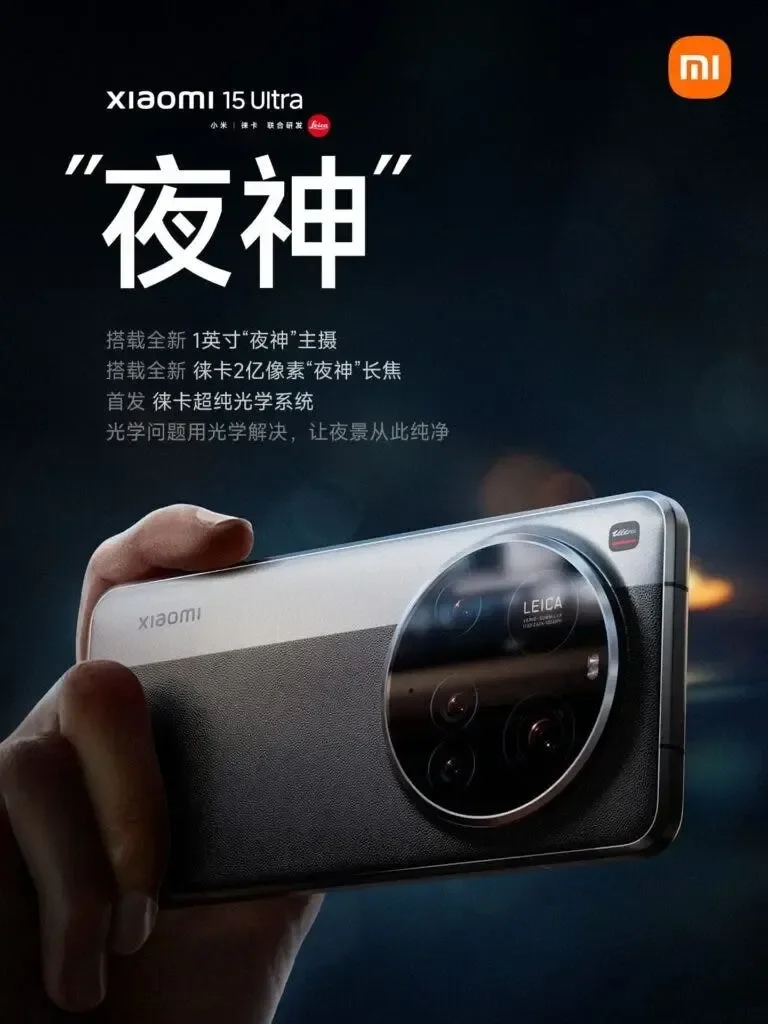
- Camera Superiority: If you are a photography nerd, the triple Leica lens system on the Xiaomi flagships produces images at the very top. The OnePlus 15 particularly excels as an action camera for fast-moving subjects.
- Display Brilliance: The Honor Magic 8 Pro boasts a 6,000-nit peak brightness panel with 4,320Hz PWM dimming for reduced eye strain. It intelligently adjusts color temperature based on local sunrise and sunset times. Mid-rangers do not offer this level of display sophistication.
- Ecosystem and Longevity: Flagships receive the longest software update commitments. If you keep phones for three to four years, that extended support matters.
- Build Quality and Materials: Glass, titanium, IP68 water resistance, and premium haptics still separate the $1,200 devices from the plastic mid-rangers.
The Warning You Need to Hear
Flagships are depreciating assets that lose value faster than almost anything else you own. This is especially true in the Android world. OnePlus is reportedly winding down operations outside of Asia, meaning the OnePlus 15 might be the last OnePlus flagship you will ever be able to buy. Software support could become uncertain. Meanwhile, users with older flagships like the S22 Ultra report that OS updates have rendered their phones super slow, crashing, and unreliable even after a full factory reset. Samsung support was reportedly unhelpful. Your expensive flagship is only as good as the software supporting it, and one bad update can brick the experience.
I have been watching this space for years and the pattern is unmistakable. We are living in a golden age of technology where billion-dollar marketing campaigns try to convince us that the only thing standing between us and a perfect life is the outdated phone already in our pocket. The solution, they insist, is always a shiny new slab of glass and titanium costing over a thousand dollars. Every September and January, the same title wave of hype crashes over us. This year, they tell us, everything has changed. You need the new Ultra model to be relevant. But the user comments tell a different story entirely. One person still rocking an Oppo X3 Lite from 2020, only struggling with storage. Another clinging to an S23 Ultra because nothing since has offered a compelling price-to-specs ratio. A Samsung ambassador still on the S25 Ultra only because the S Pen is a must-have feature. These are not people wowed by innovation. These are people struggling to justify an upgrade because the improvements have become so marginal.
The Physical Reality: Materials & Grip
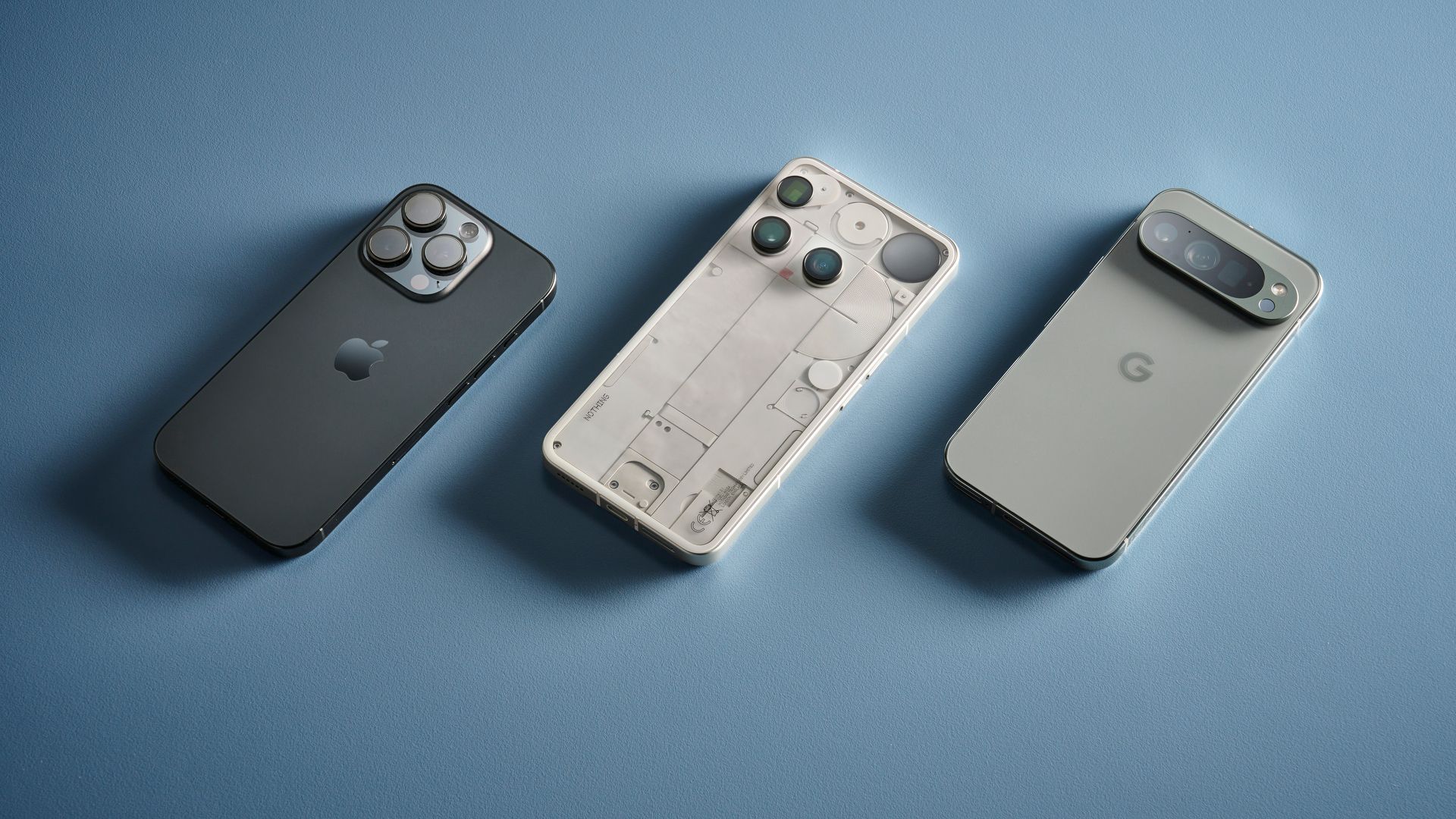
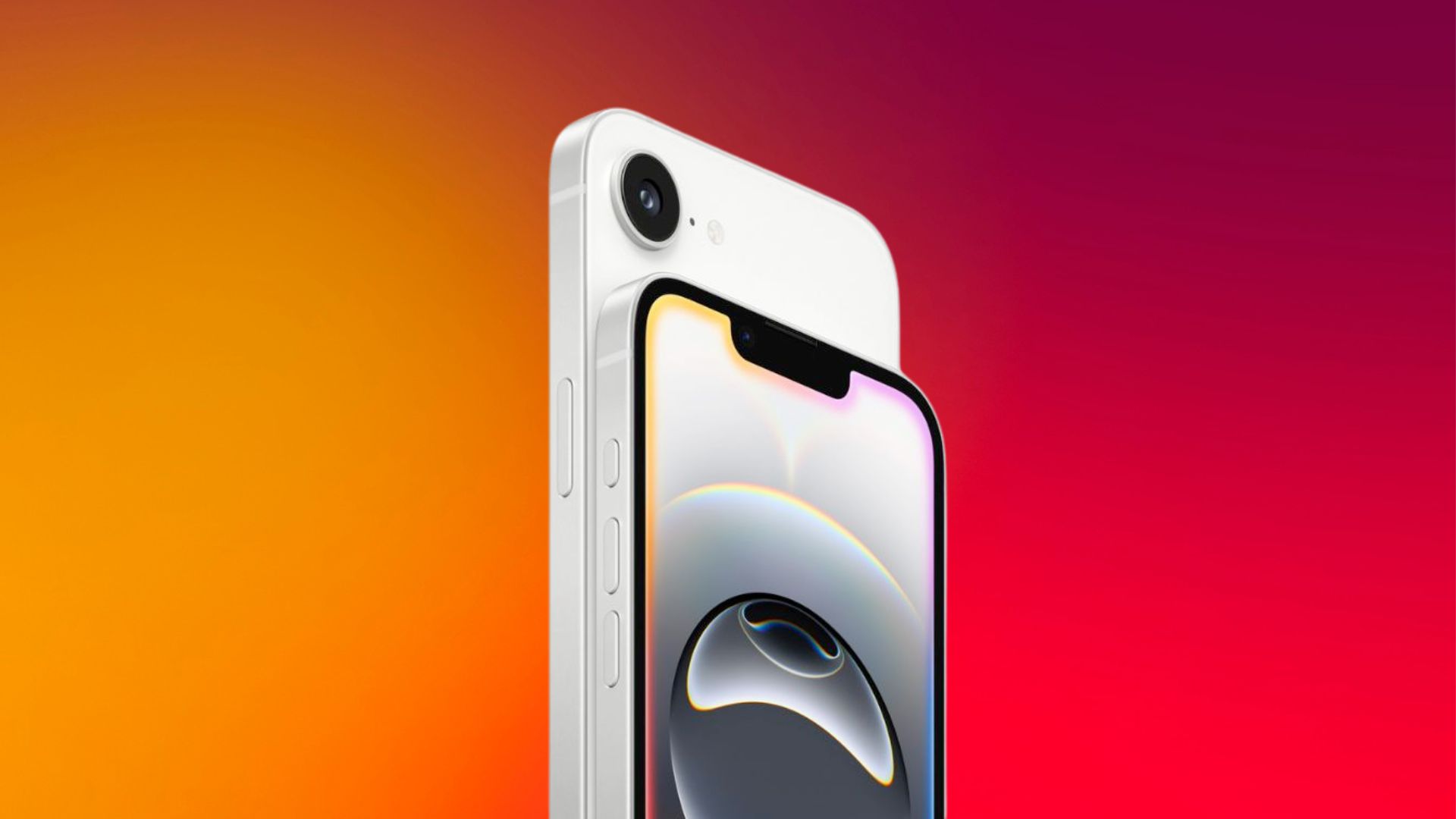
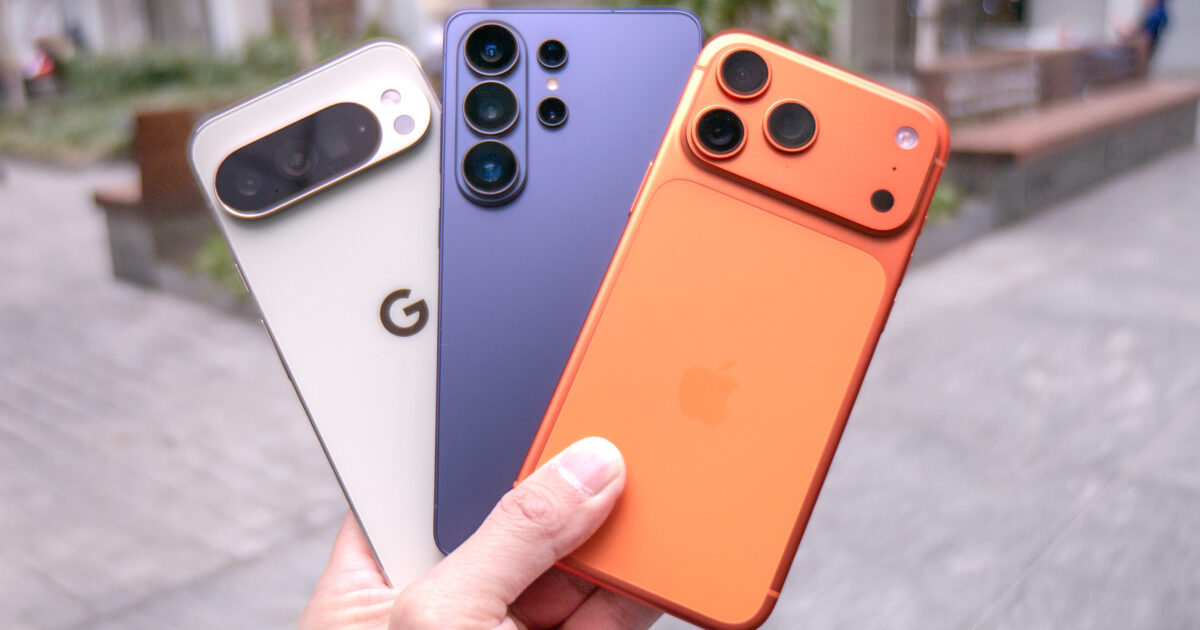
The Honor Magic 8 Pro is arguably the most dull-looking flagship phone on the market. Let that sink in. A phone costing north of a thousand dollars that reviewers describe as dull. The iPhone Air, on the other hand, is one of the most exciting iPhones in years at just 5.6mm thick and 165 grams. But that svelte design comes at a cost the battery life cannot quite match the Plus models and the single camera lacks versatility. The OnePlus 15 features a Sandstorm colorway that is genuinely remarkable in hand feel. Physical design is where flagships still flex, but the mid-range has caught up fast. The Nothing Phone 3a Pro at £449 features a design language that reviewers describe as mature, not gimmicky, not try-hard, just cool. It reportedly escaped its price category entirely. When a $450 phone matches or exceeds the physical joy of a $1,200 device, something has broken in the flagship value proposition.
Real-World Snappiness Test
The raw performance gap in 2026 is a myth perpetuated by benchmark marketing. In day-to-day use, the difference between a budget phone and a $1,200 flagship is measured in milliseconds. Your brain barely registers it. The MediaTek Dimensity 9400 Plus inside Xiaomi flagships delivers incredible flagship-level performance. The Snapdragon Elite 8 in the OnePlus 15 makes the phone so quick yet smooth that users who switched from the S25 Ultra say it is a powerhouse with no faults after eight months. But here is what the benchmarks do not show you: thermal throttling. When you push a flagship hard during extended gaming sessions of Genshin Impact or War Zone, the processor generates a massive amount of heat. Because these phones are designed to be thin and made of glass and titanium, they lack adequate cooling. Within fifteen to twenty minutes, the processor hits a thermal wall and aggressively cuts performance. You paid for 100% power but you are getting it only in short bursts. The Asus ROG Phone 9 Pro, at $1,100, far exceeds any other phone for battery life but also sits in the same price bracket as 2026 flagships despite approaching its second birthday. It has X Mode which optimizes the phone for gaming by freeing up resources for heavy tasks, and even then it does not quite keep up with flagships in sustained performance. The gaming phone that costs as much as a flagship cannot beat a flagship. Something is fundamentally wrong with this picture.
Low-Light Extraction & Color Science
Camera marketing remains the most effective lie in the smartphone industry. Flagship phones boast about 200-megapixel sensors, periscope zoom lenses, and AI-powered night modes. The reality? The OnePlus 15 gets a trio of 50-megapixel snappers that deliver detailed and well-balanced photos, particularly good for action and fast-moving subjects. The Honor Magic 6 Pro delivers plenty of color and detail in nighttime environments, but Honor is guilty of aggressive AI processing if you zoom in much further than its 3.7x optical capabilities. The Samsung Galaxy S26 Ultra offers exceptional zoom and steady video. But here is the uncomfortable truth that camera review sites will not tell you: unless you are a photography nerd pixel-peeping on a calibrated monitor, it is genuinely hard to notice the difference between a mid-range camera and a flagship camera in 2026. The Nothing Phone 3a Pro has solid cameras. The OnePlus 15 has great cameras. The Xiaomi flagships produce images at the very top. But the jump from good to great costs you an extra $600 to $800 that you will never recoup. And both phones will likely last three to four years max anyway due to software support limits and battery degradation. The camera advantage is the most persistent justification for flagship spending, and it is the one that crumbles hardest under real-world scrutiny.
Who This Is Actually For
Let me break down exactly who should and should not be buying a flagship in 2026.
Buy a flagship if: You are a professional mobile photographer or content creator whose income depends on the absolute best image quality. You need the S Pen functionality that only Samsung Ultra models provide. You are a power user who demands the most complete AI agent experience and the longest software update commitment. You have the financial cushion to absorb rapid depreciation without flinching.
Buy a mid-range phone if: You scroll social media, stream video, take photos of your pets and meals, and occasionally game. You want a great AMOLED display, clean software, solid cameras, and excellent battery life. The Nothing Phone 3a at £329 and the 3a Pro at £449 absolutely nail this balance. The Poco F8 Ultra delivers flagship performance at half the price. These phones will serve you identically to a flagship in every task you actually perform daily.
Buy a refurbished flagship if: You want the premium build quality and camera systems of a flagship but cannot stomach the depreciation hit. A one or two-year-old refurbished flagship is often a smarter play than buying a brand new mid-range phone, and it is mathematically lightyears ahead of buying a new flagship at launch price.
Wait if: You currently own an S23 Ultra, S24 Ultra, or OnePlus 13. Multiple users report that their flagships from two to three years ago still run perfectly, with amazing batteries and smooth performance. There is genuinely nothing on the market in early 2026 that justifies the upgrade cost from a recent flagship. The improvements have become incremental to the point of irrelevance. Your money is better spent on literally anything else.
The smartphone industry has reached an inflection point where the mid-range has become genuinely good and the flagship has become genuinely hard to justify. Marketing will not tell you this. Reviewers embedded in the launch cycle will not tell you this. But the math, the user comments, and the real-world experience all point in the same direction. Step off the hype train.
Tags: flagship phone 2026 worth it, best phone 2026, mid range vs flagship, Samsung Galaxy S26 Ultra review, OnePlus 15 review, Nothing Phone 3a Pro, Poco F8 Ultra, Honor Magic 8 Pro, phone depreciation 2026, smartphone value, best value phone 2026, flagship killer 2026, thermal throttling phone, phone battery life comparison, should I upgrade my phone 2026