
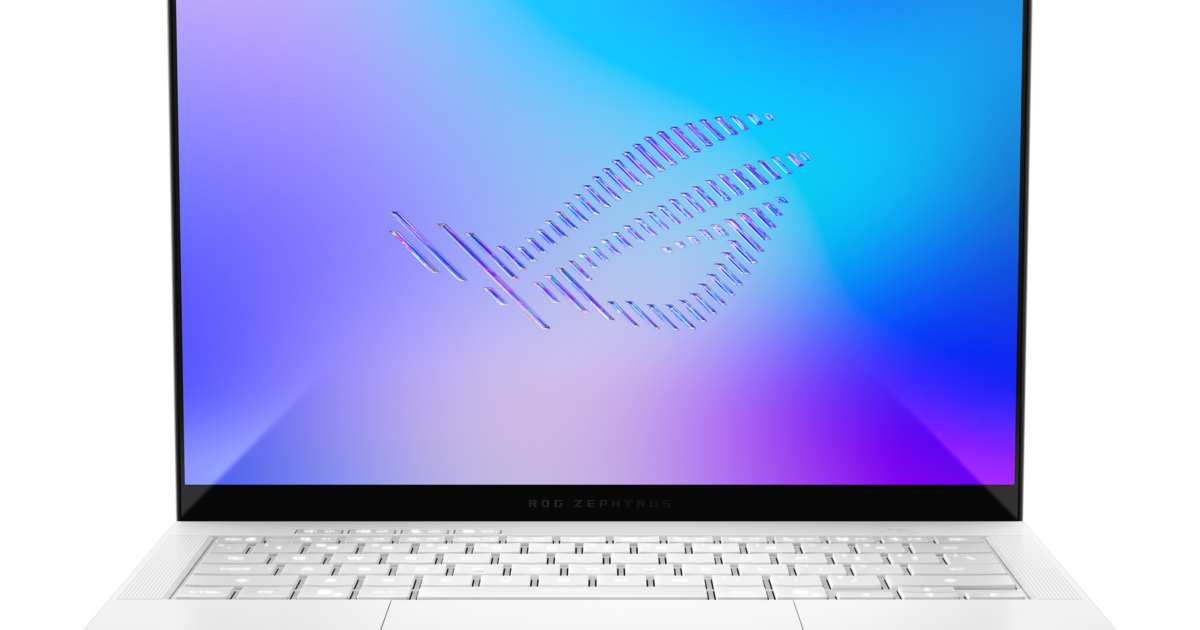
Asus ROG Zephyrus G14 review (GU405 2026 gen, Intel Panther Lake, RTX 5070Ti) Long-Term Reality Check: 30 Days Later
 androfyi
September 6, 2026
5 min read
176 views
androfyi
September 6, 2026
5 min read
176 views
Thirty days in, and my initial enthusiasm for the 2026 Zephyrus G14 has curdled into a more nuanced, slightly cynical reality. Out of the box, ASUS’s pitch sounds flawless: marry the premium, compact chassis of the G14 with Intel’s efficient Panther Lake architecture and a powerhouse RTX 5070 Ti. Daily driving the GU405, however, exposes the gaps between the PR slides and the lived experience. The 3.7 lakh price tag demands perfection, but what you get is a machine of brilliant contradictions – breathtaking efficiency paired with baffling idle warmth, and a stunning OLED compromised by a viewing angle that just won’t quit.
Ergonomics & The Physical Reality: Materials & Grip
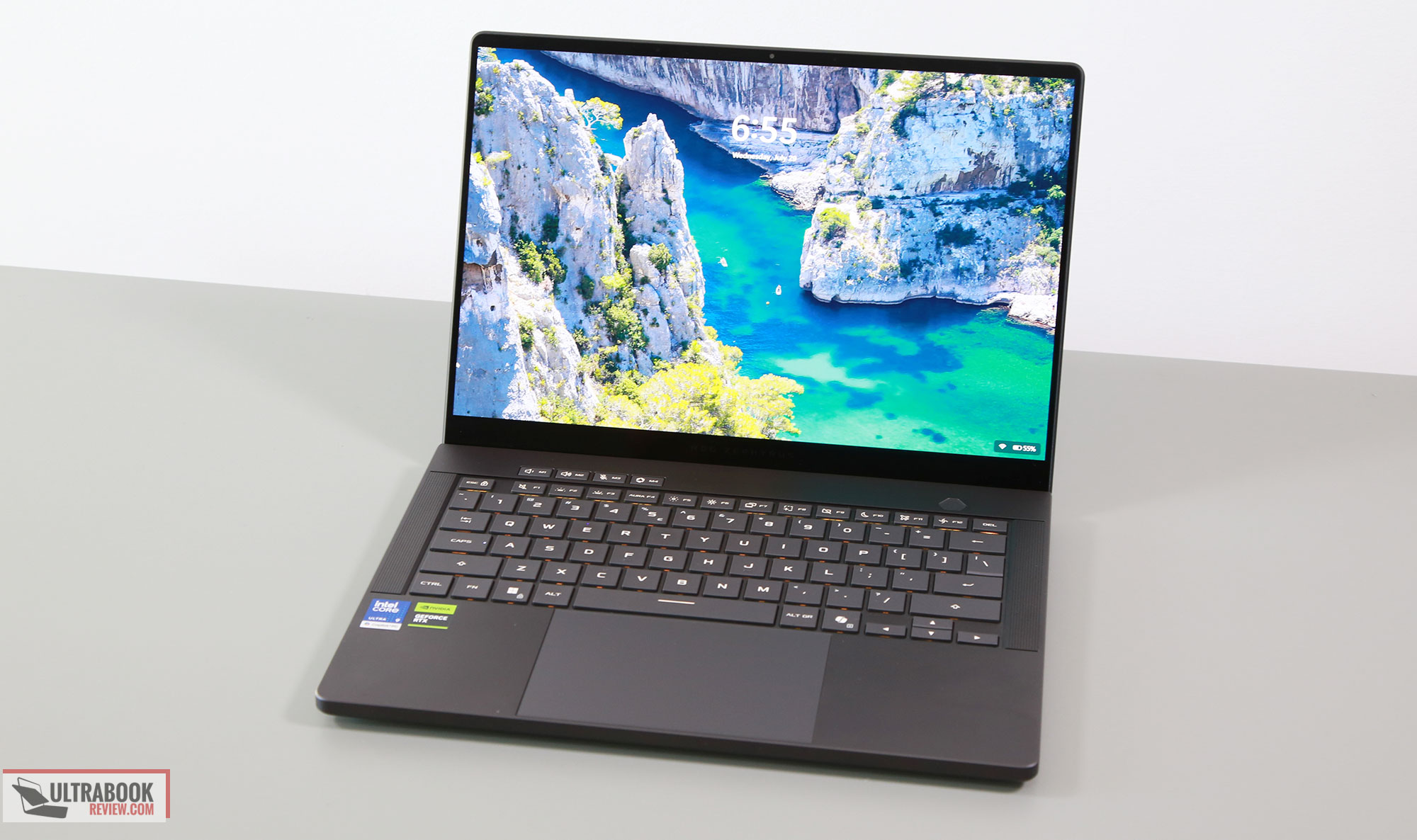
Sliding this out of a backpack still elicits a quiet “wow.” ASUS nailed the compact, lightweight build, and the premium materials justify the heft of the price tag – mostly. The keyboard remains one of the most comfortable you will find on a laptop, making long typing sessions a genuine joy rather than a compromise. The updated IO is a welcome sight, finally including a full-size SD-card reader that creators have been begging for.
More importantly, ASUS listened to the teardown gripe: the internal access now features magnetic screw covers instead of the glued nightmares of past generations. It makes upgrading the single M.2 2280 SSD slot a breeze. Still, the chassis collects fingerprints with an almost magnetic attraction, forcing constant wipe-downs if you care about that pristine aesthetic.
Living With It: Panel Quality & Sunlight Visibility
The 14-inch 3K ROG Nebula HDR OLED panel is a marvel. Hitting 1100 nits peak brightness, it is considerably brighter than its predecessor, and colors pop with 100% DCI-P3 coverage. Games simply look stunning on this canvas, and the punchy speakers punch far above the chassis’s weight class. Sunlight visibility is vastly improved, though the glossy coating still fights aggressive reflections.
But ASUS refuses to fix the one flaw that drives me crazy: the limited screen angle. Tilt it too far back and the contrast washes out, forcing you into a perpetual dance to find the sweet spot. It is a baffling oversight on a machine costing this much. Pair that with a lousy webcam that makes you look like you are calling in from a 2010 budget tablet, and the daily video calls are an exercise in humiliation.
Under Load: Under Stress: Framerates & Multitasking
Here is where the marketing and the reality split paths. Intel’s Core Ultra 9 386H (Panther Lake) is an efficiency play, not a raw multi-core monster. Compared to last year’s Ryzen AI 9 HX 370 implementation, sustained multi-core loads are actually about 5% lower. Single-core performance does claim a slight 5-7% edge, but let us be honest: you will not feel that in daily use. The CPU also does not really benefit from higher power limits; the performance gain from Silent mode to Turbo mode is marginal.
The real star is the GPU. The RTX 5070 Ti in this machine runs at up to 115W in Turbo mode, pushing a 12GB GDDR7 frame buffer compared to the 8GB on previous-gen models. It scores about 10% higher than the 100W 5070 Ti in the previous-gen G14, and in Manual mode, the GPU can stretch to 130W TGP with Dynamic Boost. Sustained performance is superb, experiencing no thermal throttling whatsoever.
Thermally, it runs cooler than past generations, but it is absolutely not quieter. Flip it to Turbo or Manual and the fans scream. Worse, the machine runs surprisingly warm even when idling on the desktop, which is unacceptable for an “efficient” Panther Lake chip.
The Friction Points
- Build & Portability: Compact, lightweight, and undeniably premium.
- Keyboard & IO: One of the most comfortable keyboards available; finally includes a full-size SD card reader.
- Serviceability: Magnetic screw covers replace the glued panels of the past.
- Display & Audio: Updated OLED hits 1100 nits; punchy speakers far exceed expectations.
- GPU Performance: RTX 5070 Ti with 12GB VRAM sustains 115W without thermal throttling.
- Battery Life: The 73Wh battery paired with Panther Lake efficiency is a massive leap over the 2025 gen.
- Thermal Anomalies: Runs surprisingly warm at idle; fans get loud on Turbo/Manual profiles.
- Ergonomics Flaws: Screen angle remains limited, and the webcam quality is lousy.
- CPU Regression: Multi-core performance is roughly 5% lower than the outgoing Ryzen AI 9 HX 370.
- Price Inflation: At 3.7 lakh, it is significantly more expensive than the 2.8 lakh 2025 model.
- Soldered Memory: 32GB LPDDR5X-8533 is soldered; not upgradable.
Do not confuse the SKUs. The Intel GU405 chassis gets the premium CPUs and up to RTX 5080 graphics. The AMD variant (GA403) is a lower-tier, more-affordable option capped at a mid-range Ryzen AI 9 465 processor and an RTX 5060 90W TGP. There is no Ryzen AI 9 HX 470 option in the AMD G14 lineup this year.
Tags: asus rog zephyrus g14 2026 review, zephyrus g14 gu405 long term, intel panther lake laptop performance, rtx 5070 ti 12gb laptop gaming, 14 inch gaming laptop battery life, rog zephyrus g14 2026 price, best ultraportable gaming laptop 2026, asus g14 oled brightness, panther lake vs ryzen ai 9 efficiency, zephyrus g14 thermal throttling test, rog zephyrus g14 webcam quality, asus g14 soldered ram upgrade, rtx 5070 ti vs rtx 5080 laptop, asus rog zephyrus g14 turbo mode noise, gaming laptop under 3.5 lakh