Why Most Reviews Are Wrong About the Xiaomi 15: Detailed Review After 8 Months 2026
 androfyi
September 5, 2026
9 min read
124 views
androfyi
September 5, 2026
9 min read
124 views
The No-BS Verdict: The Xiaomi 15 is not the phone for power users who demand sustained peak GPU performance during marathon Genshin sessions at max brightness. It is the phone for people who actually want a pocketable daily shooter that nails still photography, survives a full day without panic-charging, and renders video faster than an iPhone 17 Pro while costing significantly less. If you want a compact flagship that punches way above its weight in the real world and you are willing to tolerate some thermal compromises and a few software irritations, buy it. If you want a flawless, no-compromise experience, look elsewhere.
Real-World Gotchas: The Good & The Bad
The Genuinely Impressive
- Battery Longevity: After 8 months of daily use, my unit still reports 98% battery health. That is not marketing fluff. That is a lithium-ion cell that has been through hundreds of charge cycles and barely flinched.
- Real-World Endurance: Moderate use consisting of YouTube, web browsing, and camera snapping delivers over 18 hours. On lighter days I have pushed past 30 hours without hunting for a cable.
- Rendering Speed: In a direct head-to-head against the iPhone 17 Pro importing 4K footage into CapCut while screen recording, the Xiaomi 15 finished in 2 minutes 57 seconds versus Apple’s 3 minutes 15 seconds. It ran slightly hotter and drained exactly 1% more battery, but it won the race.
- Display Quality Indoors: The 120Hz AMOLED panel delivers inky blacks, buttery scrolling, and colors that make everything look premium.
- Ergonomic Design: The symmetrical bezels, 20% reduction on the bottom chin compared to the previous generation, and compact footprint make this phone feel like it was designed for human hands.
- Photographic Capability: Daylight photos are sharp with excellent dynamic range. Macro photography produces genuinely stunning results. Low light performance remains outstanding.
The Legitimate Complaints
- Outdoor Brightness Deception: Xiaomi advertises 3200 nits peak brightness. In reality, the panel does not get anywhere near as bright as competing flagships outdoors until you manually toggle a buried “sunlight mode” setting. Why this is not automatic remains a mystery that likely has everything to do with thermal and power management concerns.
- Gaming Battery Drain: Sixty minutes of continuous high-graphics gaming drops the battery by 48-50%. That is not catastrophic, but it is a far cry from the all-day moderate-use claims.
- Thermal Behavior in Summer: During long video recording sessions when ambient temperatures exceed 35°C, the frame rate drops and footage develops a jittery appearance. The device gets hot enough to notice and hot enough to affect performance.
- Software Quirks: Notification alerts persist even after enabling Do Not Disturb. Floating notifications are poorly implemented, requiring me to routinely pull down the shade to see incoming one-time codes and messages. After certain updates, users have reported minor bugs that should not exist on a flagship priced at this tier.
- Bulk on the Ultra: The Xiaomi 15 Ultra variant tips the scales at 226g with a prominent camera bump, making it feel slightly heavy and bulky during extended one-handed use.
I have been carrying the Xiaomi 15 as my sole device through airport lounges, construction sites, dimly lit restaurants, and blazing summer afternoons. What I can tell you is that the glossy launch-week reviews captured the spec sheet correctly but missed the daily reality. The battery story is genuinely excellent. The camera story is more nuanced than the marketing suggests. And the software story is where Xiaomi continues to fumble the bag in ways that no Snapdragon 8 Elite chip can fix.
Form Factor & Daily Handling
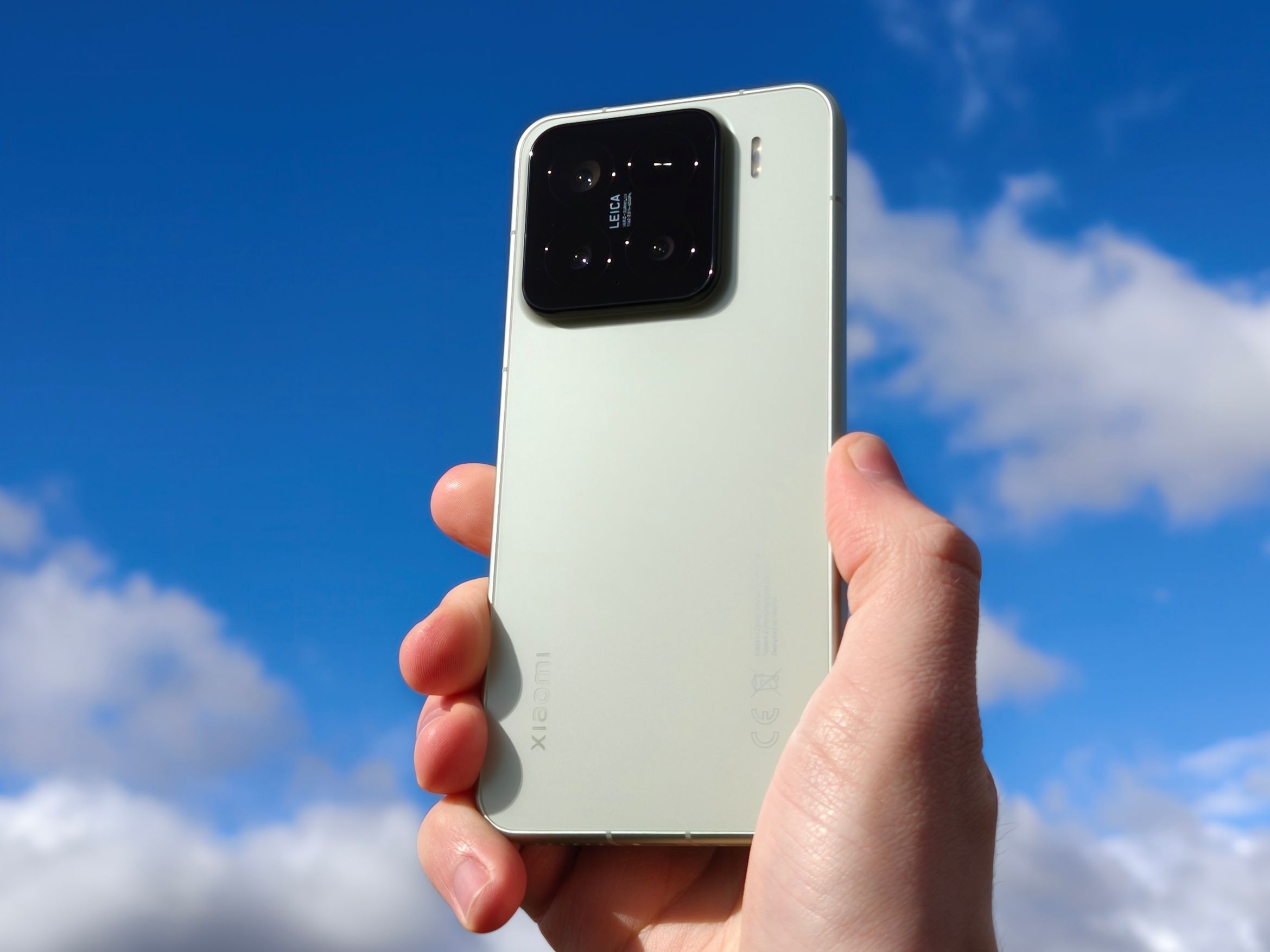
The Xiaomi 15 occupies that increasingly rare middle ground where a flagship phone does not require two-handed operation or a permanent dent in your pocket. At 161.3mm tall and 75.3mm wide, it sits comfortably in the hand without the pinky fatigue that plagues larger devices. The flat display edges melt into the frame thanks to those aggressively slim bezels, and the 20% reduction on the bottom bezel compared to the Xiaomi 14 gives it a more balanced visual appearance.
The deep AMOLED display with its 120Hz refresh rate makes everything from scrolling social media to watching HDR content feel premium. Colors are punchy without crossing into oversaturated territory, and the inky blacks are exactly what you expect from a modern OLED panel. Typing and scrolling feel natural, and the phone has a reassuring solidity that justifies its flagship positioning.
However, the ergonomic advantage comes with a thermal trade-off. Compact phones inherently have less internal volume for heat dissipation. The Xiaomi 15 handles this better than most, but sustained workloads will warm the chassis faster than you would experience on a larger device. It is physics, not poor engineering, but it is worth understanding before you commit.
Thermal Throttling & Real Speed
The Snapdragon 8 Elite inside the Xiaomi 15 is an absolute powerhouse on paper. Built on a 3nm process with Oryon CPU architecture, it delivers a claimed 45% boost in multi-core CPU performance and a 44% GPU improvement over the previous generation while simultaneously reducing CPU power consumption by 52%. Those numbers are not just laboratory curiosities. They translate into real, noticeable differences in daily use.
Opening apps feels instantaneous. Multitasking between demanding applications produces zero perceptible lag. Genshin Impact on the highest settings runs smoothly with stable frame rates and only modest temperature increases. Call of Duty delivers around 60fps depending on the map, which is perfectly playable for competitive mobile gaming.
But here is where the real-world picture diverges from the synthetic benchmarks. During an extended stress test that involved 10 minutes of 4K recording followed by importing those videos into CapCut while simultaneously screen recording and rendering, the Xiaomi 15 ran noticeably hotter than the iPhone 17 Pro. It still finished the render 18 seconds faster, which is remarkable, but the thermal output was visible and the battery drain was slightly higher. This tells you something important about how Xiaomi tunes this chip: it prioritizes burst performance and speed of completion over sustained thermal equilibrium.
For the vast majority of users, this tuning philosophy is correct. You want your video rendered fast. You want your game to load quickly. You do not want to wait. But if you regularly shoot extended 4K video or play graphically intensive games for hours at a stretch, you will feel the heat and you will see the battery percentage drop at an alarming rate. Sixty minutes of continuous high-end gaming drains roughly 48-50% of the battery. The device warms up but cools down quickly once the load drops, and I did not experience frame drops during gaming sessions. That thermal recovery speed is genuinely well-engineered.
Practical Warning: The Snapdragon 8 Elite’s peak performance is genuinely elite, but it comes with thermal trade-offs in a compact chassis. If your primary use case is sustained maximum-load gaming rather than burst productivity and photography, a larger device with more thermal mass will serve you better. The Xiaomi 15 is not a gaming phone. It is a flagship that games well in moderation.
Shutter Lag & Sensor Nuance
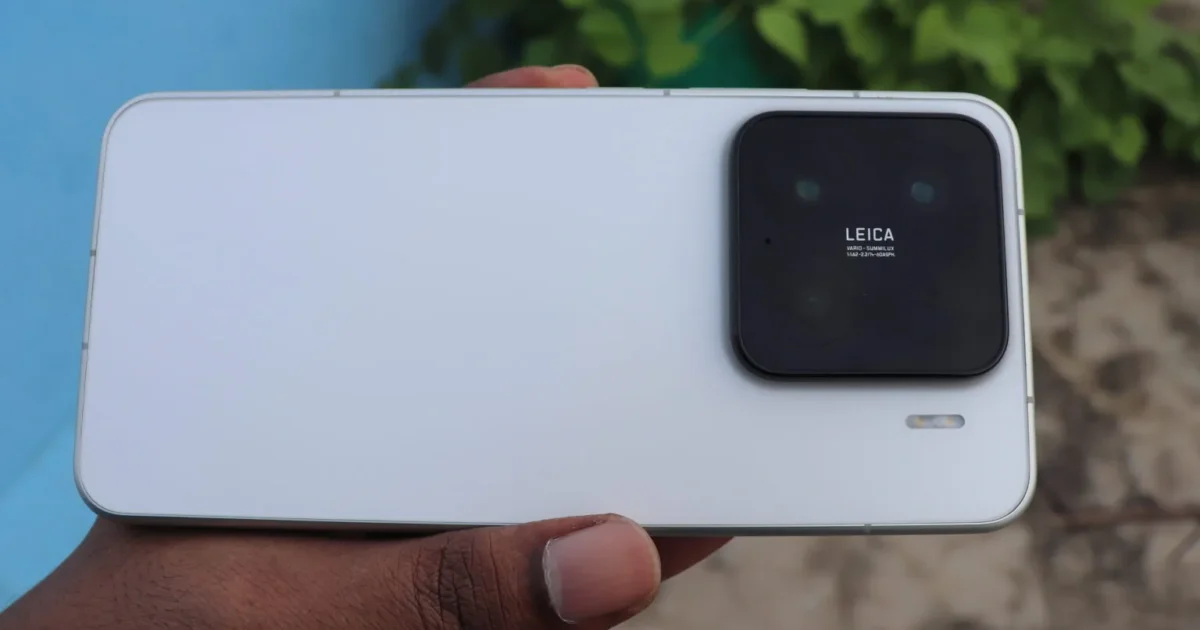
Xiaomi equipped the 15 with the Light Fusion 900 sensor, a custom 1/1.31-inch unit boasting 13.5 EV of dynamic range and native 14-bit color depth. The Leica partnership provides a 60mm floating telephoto lens capable of focusing from 10cm to infinity, which creates fascinating macro opportunities alongside traditional portrait work.
In daylight, the results are consistently excellent. Photos are sharp, dynamic range handles challenging high-contrast scenes without blowing highlights or crushing shadows, and the Leica color science delivers that distinctive look that photography enthusiasts either love or find slightly processed. The 5x and 10x zoom ranges remain impressively usable, retaining detail and color accuracy that would have been unthinkable from a smartphone telephoto lens just two years ago.
Low light performance is still outstanding. The large sensor and advanced processing combine to produce clean, detailed images in conditions where most phones start throwing away detail to noise. The macro capabilities deserve special mention. The ability to focus at 10cm and capture intricate close-up detail is a genuinely creative tool rather than a gimmick.
The weaknesses emerge in specific scenarios. Long video recording sessions in high ambient temperatures above 35°C introduce frame rate instability and jittery footage. The front-facing camera produces usable but grainy video in low light. Your face will be recognizable, but you will not mistake it for professional footage. And while daylight photography is superb, the transition between lenses during zoom can produce visible color and exposure mismatches that a careful observer will notice.
After 8 months and multiple software updates, the camera processing has remained consistent rather than dramatically improving. Xiaomi has not used the post-launch period to significantly overhaul computational photography algorithms the way some competitors have. What you got at launch is largely what you get now, which is both a compliment to the initial tuning and a slight disappointment given the potential for improvement.
Who This Is Actually For
After 8 months of daily use, the Xiaomi 15 makes the most sense for a specific type of buyer. You value a compact form factor that does not compromise on display quality or photographic capability. You want flagship-level performance for productivity tasks, social media content creation, and occasional gaming rather than sustained maximum-load scenarios. You appreciate fast rendering speeds and efficient battery optimization that keeps the phone alive through long days. You find the Leica color science appealing and you shoot more still photos than video.
You should look elsewhere if you prioritize sustained gaming performance, demand flawless outdoor display visibility without manually toggling hidden settings, require professional-grade video recording in challenging thermal conditions, or expect software polish that matches the hardware investment. The notification quirks and floating window annoyances are minor individually but collectively they signal that Xiaomi still treats software refinement as secondary to hardware specification.
The Xiaomi 15 is a well-balanced flagship that delivers where it matters most for daily use. It is not perfect. It is not trying to be. It is trying to be the best compact flagship at its price point, and on those terms, it largely succeeds.
Tags: Xiaomi 15 long term review 2026, Xiaomi 15 battery health after 8 months, Xiaomi 15 overheating issues, Xiaomi 15 vs iPhone 17 Pro performance, Xiaomi 15 camera problems real world, Xiaomi 15 display brightness outdoor, Snapdragon 8 Elite thermal throttling compact phone, Xiaomi 15 daily driver honest review, Xiaomi 15 Ultra weight and ergonomics, Xiaomi 15 software bugs after update, Xiaomi 15 gaming battery drain, Xiaomi 15 Leica camera real test, compact flagship 2026 worth buying, Xiaomi 15 rendering speed CapCut, Xiaomi 15 pros and cons after long term use