ASUS Republic of Gamers Announces New Zephyrus Lineup in Canada, Led by the Flagship Zephyrus Duo Long-Term Reality Check: 30 Days Later
 androfyi September 27, 2026 5 min read 196 views
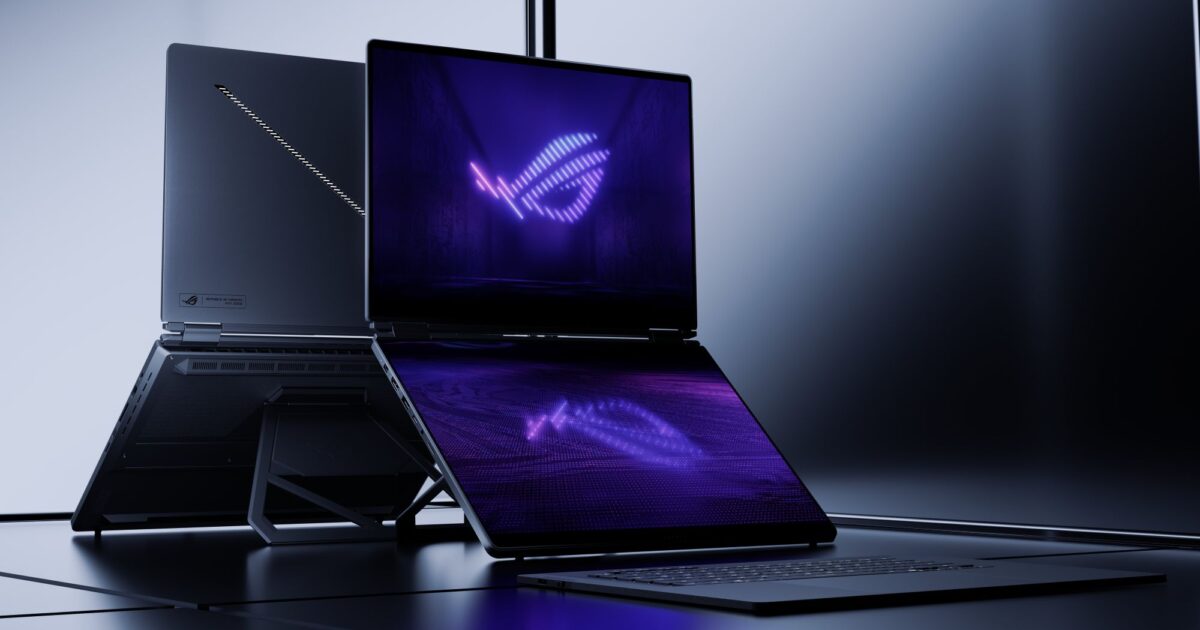
I was initially seduced by the press renders. The Zephyrus Duo’s dual 16-inch OLED panels floating above the keyboard deck, the promise of RTX 5090-class performance in a dual-screen form factor – it felt like computing from a future where compromise was optional. Then I used it for a month. That sleek $5,500 CAD fantasy? It collides with the daily friction of real workflows, physical ergonomics, and a few design choices that make me question whether ASUS actually used this as a daily driver. Here’s what the hands-on reviews don’t tell you.
Ergonomics & The Physical Reality: Materials & Grip
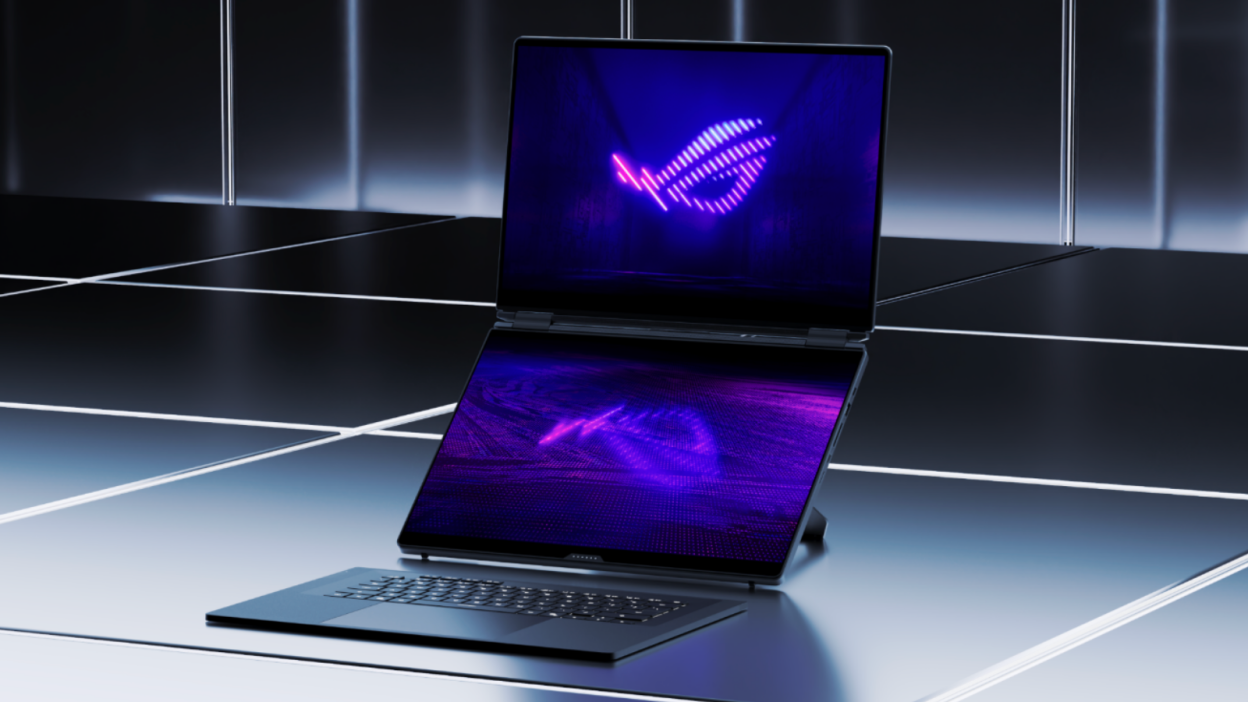
The Zephyrus Duo ships in two pieces: the laptop itself at 2.85 kg and the keyboard at 1.65 kg. Together, they form a complete workstation. Apart, they form an engineering compromise you’ll constantly negotiate. The CNC-aluminum lid resists fingerprints better than most glossy ROG offerings, but the bottom panel picks up palm oil smudges immediately. After two weeks without cleaning, the underside looked like a crime scene. The adjustable kickstand is clever in theory – it tilts the base to improve airflow in Sharing or Tent modes – but in practice, the hinge creaks under pressure during aggressive typing sessions on the detached keyboard. The rubber feet grip a desk well enough, but on a bare wooden surface, micro-vibrations from the secondary display’s backlight create a barely audible hum that drives sensitive listeners insane.
Living With It: Panel Quality & Sunlight Visibility
The dual 16-inch ROG Nebula OLED HDR panels deliver 2,880 x 1,800 resolution at 120Hz with a 0.2ms response time. That 120Hz refresh rate is the first elephant in the room. For a machine at this price, against competitors pushing 240Hz+ on LCD and mini-LED panels, the limitation feels arbitrary. OLED contrast is unmatched – HDR peaks at 1,100 nits and blacks are genuinely ink-black – but in a sunlit café, the glossy coating turns both screens into mirrors. You’ll find yourself tilting the top display like an awkward sunflower chasing angle after angle. Color accuracy for creative work is excellent out of the box (100% DCI-P3 coverage), but the secondary panel exhibits a slight green shift at extreme viewing angles, which matters when you’re dragging reference images across to a second screen that’s never at eye level.
Under Load: Real-World Snappiness Test
The RTX 5090 Laptop GPU inside the Duo holds up its end – Cyberpunk 2077 at 2880×1800 with path tracing hovers around 78-85 fps with DLSS 4.5 Frame Generation enabled. The 150 Max TGP allocation means the GPU sustains boost clocks longer than thinner competitors, but it also means sustained fan noise that crosses from “acceptable hum” into “you cannot hear your teammates on Discord” territory without headphones. The Intel Core Ultra 9 386H handles multi-threaded creative exports with confidence, but single-thread performance feels merely competitive with Apple’s M4 Pro in bursty tasks like Lightroom RAW exports. Where the hardware stumbles is thermals during dual-screen use: with the secondary display raised, airflow channels narrow, and the CPU throttles by 8-12% under combined CPU+GPU load compared to laptop mode with the secondary screen disabled.
The Friction Points
- Build Integrity: CNC aluminum construction with solid hinge tension. No panel flex on either screen, and the kickstand mechanism holds position reliably over time.
- Display Quality: OLED HDR peak brightness at 1,100 nits, true blacks, and factory-calibrated color accuracy make this dual-panel setup the best for mobile creative work currently available.
- Port Selection: Two Thunderbolt 4 ports with power delivery and display support, plus HDMI 2.1 FRL – no proprietary dongle ecosystem required for external displays.
- Battery Endurance: The 99Whr pack delivers 7-9 hours of light productivity on a single screen, which is genuinely impressive for a dual-panel machine with dedicated GPU.
- Memory & Storage: 64GB LPDDR5X and up to 2TB PCIe Gen 5 SSD provide headroom for large project files and modern AAA titles without immediate upgrade anxiety.
- Connectivity: Wi-Fi 7 with Bluetooth 5.4 ensures future-proof wireless performance, though 6GHz band availability depends on Canadian regulatory region.
- Refresh Rate Ceiling: 120Hz on OLED is adequate but not competitive with 240Hz+ LCD alternatives at this price point for competitive gaming scenarios.
- Thermal Throttling Under Dual-Screen Load: CPU performance drops 8-12% when both displays are active and the machine is in Sharing or Tent mode due to restricted airflow.
- Fan Noise Profile: Sustained GPU load pushes fan output beyond conversational volume; the machine is not office-quiet under any meaningful workload.
- Glossy Screen Reflectivity: Both OLED panels use glossy coatings that compromise visibility in bright indoor environments and direct sunlight.
- SSD Compatibility Restriction: Surface-mounted components near the motherboard’s M.2 slot mean only single-sided SSDs are supported, limiting aftermarket upgrade options.
- Price Point: $5,500 CAD positions this in boutique territory where fewer buyers can justify the premium over a single-screen Zephyrus G16 with equivalent GPU.
- Keyboard Hinge Creak: The detached keyboard’s hinge mechanism produces audible creaking during forceful typing sessions.
Canadian Regulatory Note: Products certified by the Federal Communications Commission and Industry Canada will be distributed in Canada. The 6GHz Wi-Fi band availability may vary depending on specific regional regulations and is only supported when using the wireless card provided at shipment with Windows 11 or later. Pricing and specifications are subject to change without notice – verify current Canadian availability and pricing through the ASUS Canada website before purchasing.
Tags: ASUS ROG Zephyrus Duo Canada, Zephyrus Duo 2026 review, dual screen gaming laptop Canada, ROG Zephyrus G14 2026, ROG Zephyrus G16 2026, RTX 5090 laptop Canada, OLED dual display laptop, ASUS ROG Canada pricing, Zephyrus Duo long term review, premium gaming laptop 2026, Intel Core Ultra 9 gaming laptop, NVIDIA Blackwell laptop GPU, portable creator workstation Canada, ASUS dual screen laptop thermals, ROG Nebula HDR OLED review
Related reading