Garmin fenix 9 review: brighter screen, same sensors as the fenix 8 Long-Term Reality Check: 30 Days Later
 androfyi October 24, 2026 3 min read 1 views
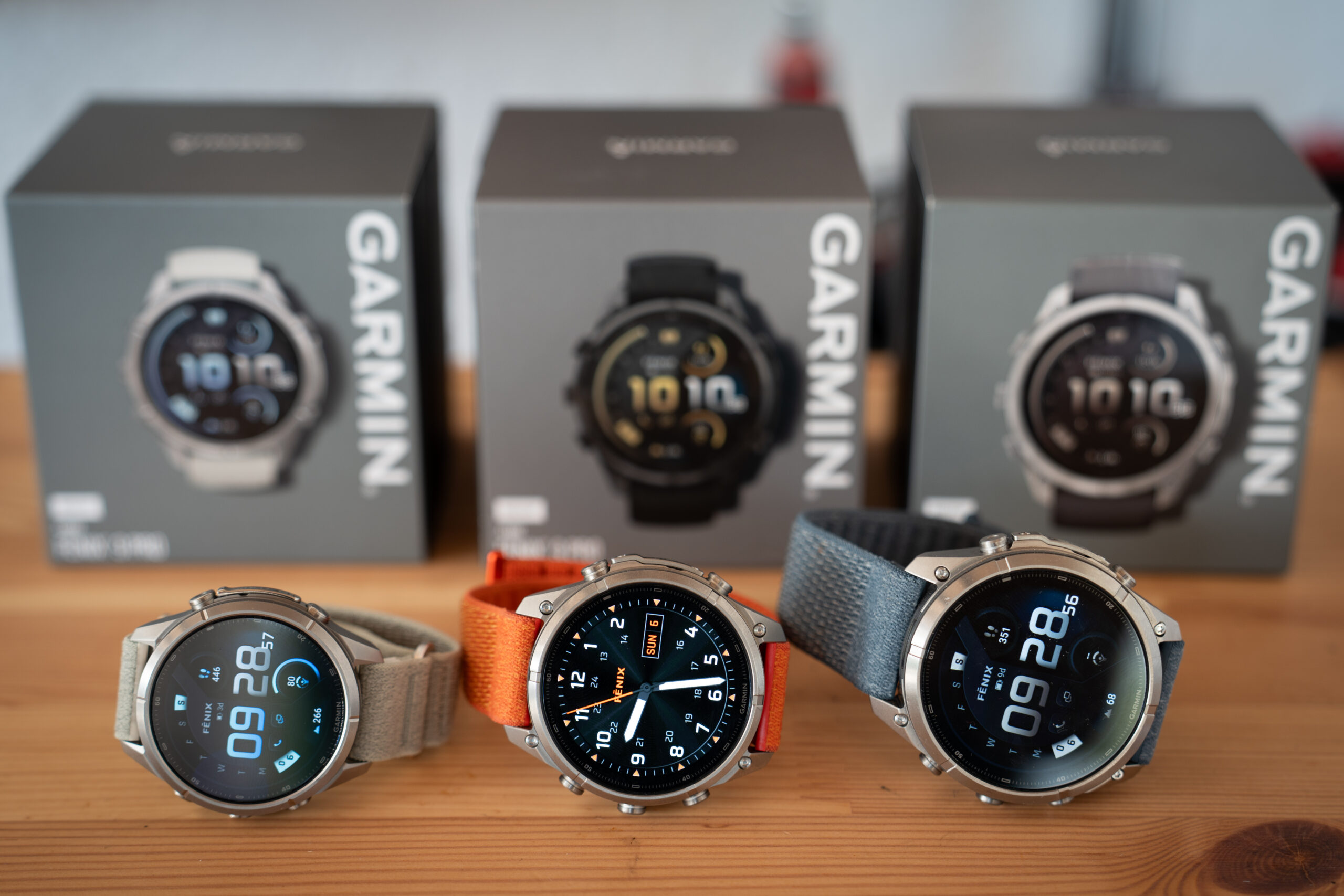
I spent the first week with the Garmin fenix 9 chasing spec-sheet highs: 3,000 nits! 64 GB! Titanium! But a month in, the dopamine of the unboxing fades, and you are left with the cold reality of daily wear. The fenix 9 is a phenomenal piece of hardware, but my initial excitement has calcified into a more nuanced truth. This is a display and navigation upgrade dressed in a flagship’s clothing, relying entirely on a sensor suite you already owned if you had a fenix 8. The gen-on-gen leap feels iterative, yet the screen alone changes how you interact with the watch outdoors.
Ergonomics & Form Factor & Daily Handling
Living With It: The Display Truth: Brightness & Refresh
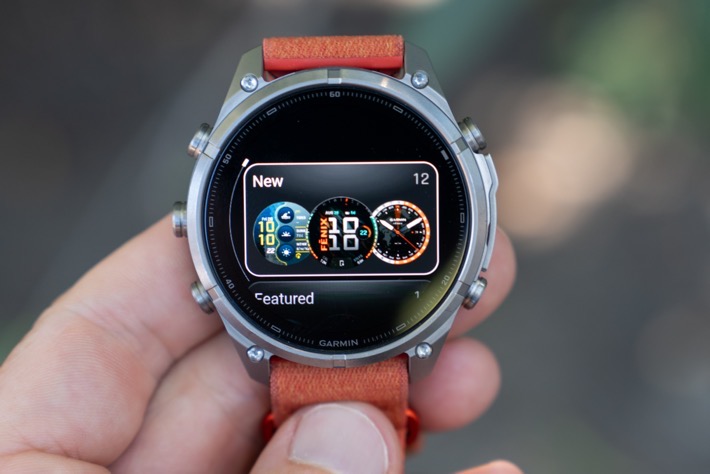
The screen is the headline act, and unlike the sensor stagnation, this spec actually translates to real life. Out in the brutal midday sun, the fenix 9 Pro’s 3,000-nit AMOLED is a revelation. Panning over topo maps or checking heart rate zones without cupping your hand over the display is a genuinely liberating experience. We are still waiting on independent nit measurements to verify Garmin’s exact claims, but the qualitative jump over the fenix 8’s roughly 1,000-nit peak is undeniable. Reading data outdoors is no longer a chore. This is the one spec that survives daily scrutiny.
Under Load: Thermal Throttling & Real Speed
Garmin doubled the storage to 64 GB and threw in 50 percent more RAM, and the difference is palpable when you put the watch under load. Menus snap open without the micro-stutters that occasionally plagued the fenix 8. Map redraws are noticeably faster, and round-trip route calculations complete ahead of the older generation. Under heavy GPS load with maps rendering, the watch stays warm but never uncomfortably hot. There is no aggressive thermal throttling here; the chipset handles the navigation workload with headroom to spare.
The Friction Points
- Sunlight Legibility: 3,000 nits on the Pro makes outdoor map reading effortless and再也不用挡阳光.
- Hardware Speed: Twice the storage and 50% more RAM eliminate UI lag and accelerate map panning.
- Build Quality: Standard Sapphire across the line; full titanium on the Pro variants.
- Connectivity: Satellite messaging trickled down to all three Pro sizes, not just the 51 mm.
- Sensor Stagnation: Zero new health sensors. ECG, Pulse Ox, and skin temperature readings are identical to the fenix 8.
- Pricing Creep: A $50 to $100 increase over fenix 8 launch pricing for the same tier.
- Solar Exclusion: No solar option at any size on the base fenix 9.
- Case Compromise: The base fenix 9 retains a polymer case, unlike the Pro’s titanium.
Garmin renamed the power modes (Normal, Extended, Max Battery, Max Accuracy vs. the fenix 8’s GPS Only, All Systems, etc.). They have never published a crosswalk, making direct battery comparisons impossible. The claimed drops in activity hours are currently unverified speculation, not measured fact. Nobody outside Garmin has worn these long enough to publish independent battery or heart rate accuracy data. Take the official endurance figures with a massive grain of salt.
Tags: Garmin fenix 9 vs fenix 8, fenix 9 screen brightness real world, Garmin fenix 9 sensor upgrade review, fenix 9 Pro titanium long term, Garmin outdoor watch 2026, fenix 9 battery life comparison, is fenix 9 worth upgrading, Garmin fenix 9 Pro solar review, fenix 8 vs fenix 9 daily use, Garmin AMOLED outdoor visibility, fenix 9 map performance speed, Garmin fenix 9 health tracking accuracy, fenix 9 Pro satellite messaging review, Garmin flagship watch ergonomics, fenix 9 real world battery test.