Xiaomi 17 Ultra (Global) review: Camera Long-Term Reality Check: 30 Days Later
 androfyi
September 14, 2026
9 min read
7 views
androfyi
September 14, 2026
9 min read
7 views
Three weeks in, and I’ve stopped reaching for my dedicated camera. That sentence alone should tell you something, but it also hides a more complicated truth. The Xiaomi 17 Ultra’s camera system is genuinely remarkable in ways that spec sheets cannot capture, and it is also frustrating in ways that only reveal themselves after you’ve shot 5,600 photos and started noticing the patterns your brain edits out on day one. This is not a benchmark recitation. This is what happens when you actually live with this thing.
Ergonomics & How It Actually Feels
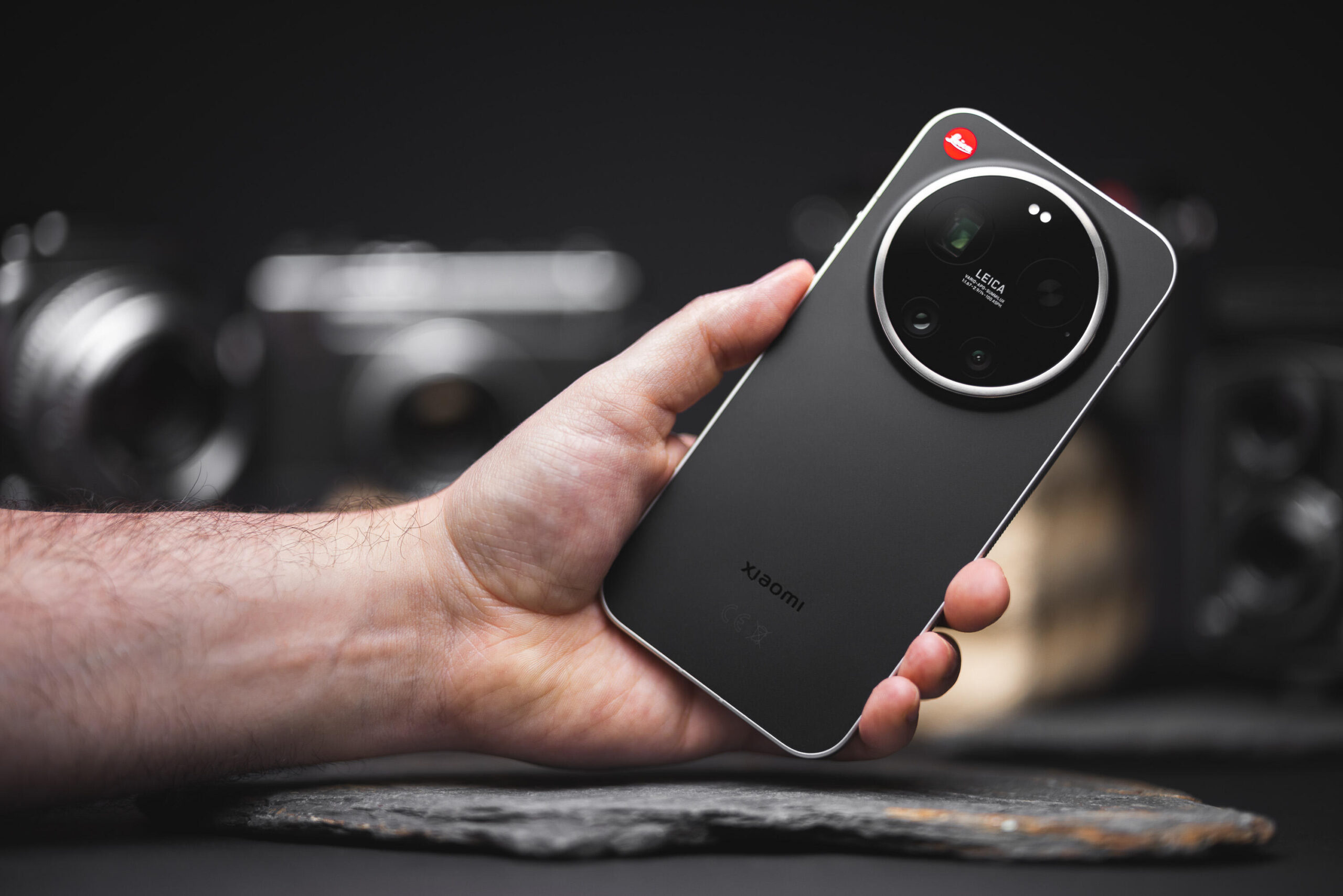
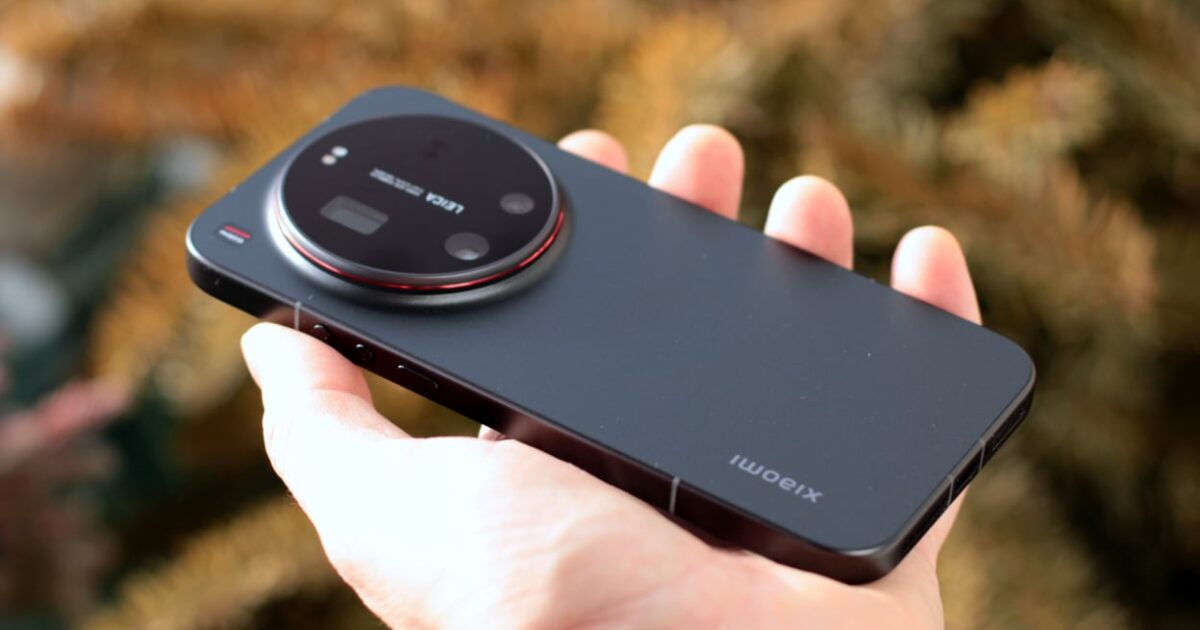
Let me be direct: this phone is a 219-gram brick with a camera island that I can only describe as a “bloody death star.” At 8.3mm thick, it is not the thinnest device, but the sheer mass of that lens cluster creates a top-heavy experience that affects how you shoot. When I first unboxed it, I kept adjusting my grip. After a week, I stopped noticing. After two weeks, I started using the camera shelf as a finger rest without thinking about it. The body design is genuinely improved over the 15 Ultra, easier to hold and use, but you will feel that weight during long shooting sessions. There is no dedicated camera button on the device itself, which is both refreshing and occasionally maddening when you want a quick shutter without tapping the screen. Xiaomi sells a Photography Kit Pro with a detachable grip that mimics a digital camera, and I will confess: it transforms the experience entirely. Without it, you are holding a very expensive slab. With it, you are holding a very expensive camera that happens to run HyperOS.
Living With It: The Display Truth: Brightness & Refresh
The 6.9-inch display is your viewfinder, your editing suite, and your proof of quality. In direct sunlight, I could frame shots without cupping my hand over the screen, which matters more than you think when you are trying to nail a telephoto composition at 100mm. Colors on the panel match what I see in post, which is not something I can say about every flagship. The refresh rate keeps scrolling through galleries smooth, but here is the real test: when you shoot 50MP frames and pinch to zoom on the device itself, the detail you see is the detail you get. No oversharpening preview trickery. What you see is what the sensor captured, and that builds trust fast.
Under Load: Real-World Snappiness Test
Snapdragon 8 Elite Gen 5. The name alone suggests speed, but what matters for camera performance is how the ISP handles the data pipeline. Shooting 50MP frames in rapid succession, I never once hit a processing wall. The gallery updated near-instantly. Switching between the 23mm main, 75mm telephoto, and 100mm periscope was seamless, with no perceptible blackout between lens swaps. In Dolby Vision video recording at 4K 60fps, the phone stayed warm but never throttled during my longest continuous takes. The audio capture handled wind better than expected, and I could swap between lenses mid-recording without the jarring exposure jumps that plague lesser devices. This is a phone that respects your momentum.
The Friction Points
Now for the part that separates a review from an advertisement. After 30 days, the patterns emerged. The main camera, headlined by that 1.0-type sensor with LOFC technology, delivers dynamic range that genuinely eliminates the highlight blowout problems that plagued the 15 Ultra. I shot backlit scenes that would have been ruined a generation ago, and the files held up. But there is a tendency in high-contrast scenes to flatten the image. It is subtle. It is not a dealbreaker. But if you prefer punchy, contrasty output straight out of camera, you will notice it. The auto white balance is consistently accurate, colors are vibrant without crossing into cartoonish territory, and detail rendering has a natural crispiness that avoids the over-processed look.
The telephoto system is where Xiaomi made its boldest move. That periscope now uses a large sensor at both 3.2x (75mm) and 4.3x (100mm), replacing the smaller 1/2.51-inch sensor that lived at 3.2x in the previous generation. The improvement is not incremental. It is transformative. At 3.2x, you now get the kind of detail and low-light performance that was previously reserved for the longer focal length. The trade-off? Close focusing has suffered. If you are a macro shooter who relied on that 3.2x lens for close-up work, you will need to adapt. There may be workarounds, but out of the box, minimum focus distance is a step backward.
The ultrawide is the forgotten child. It is the same sensor and lens as the 15 Ultra, and in daylight, it produces perfectly competent images. In low light, it is somewhat better in its own context, but it is bested by the OPPO Find X9 Pro. Color consistency between the main and telephoto is excellent, more accurate in their rendition, while the ultrawide drifts slightly. Dynamic range on the ultrawide is also a notch below the other two cameras. It is not bad. It is just not in the same league as the other two.
Low-light performance on the main camera is solid at 1x, but I expected more from a 1.0-type sensor. The Find X9 Pro holds a minor edge in sharpness. The telephoto is in a similar situation: competent, reliable, but not class-leading. If low-light telephoto is your priority, the competition has pulled ahead slightly.
The selfie camera is a 50MP unit with a 21mm lens that auto-crops to 26mm depending on the subject. It is a massive improvement over the 13 Ultra’s front camera, but it still does not output RAW DNG format. With older Xiaomi devices, I could get RAW via the OpenCamera app and Google Camera APIv2. That workaround is dead on the 17 Ultra. You are stuck with JPG, and while the quality is significantly better, the lack of RAW output is a genuine loss for anyone who edits seriously. The depth of field is also sometimes too narrow for group photos, leaving background subjects soft while the main subject is tack-sharp.
Video stabilization on the main camera is a disappointment. For a device of this caliber, I expected better. The ultrawide and telephoto are rock-steady, but the main camera, the one you will use most often, does not inspire the same confidence. It is usable, but it is not best-in-class.
What Works
- Main Camera Dynamic Range: LOFC technology delivers on its promise. Highlights that would have blown out on the 15 Ultra are now recoverable, and the overall latitude in post is exceptional.
- Telephoto Versatility: Having a large sensor at both 3.2x and 4.3x is a game-changer. The 75mm focal length is now genuinely useful in low light, not just a fair-weather companion.
- Color Consistency: Main and telephoto cameras maintain accurate, matching color science. Switching between them mid-shoot does not require white balance correction in post.
- Processing Speed: Zero shutter lag in practice. Lens switching is instantaneous. Gallery updates are immediate. The Snapdragon 8 Elite Gen 5 handles the data load without breaking a sweat.
- Photography Kit Pro: The optional grip with camera controls and shutter button transforms the ergonomics. It is an extra purchase, but it makes the device feel like a real camera.
- Selfie Video: 4K 60fps with Dolby Vision HDR and excellent stabilization makes this a legitimate vlogging tool.
What Frustrates
- Close Focus Regression: The improved telephoto sensor comes at the cost of minimum focus distance. Macro shooters will feel this loss immediately.
- Main Camera Stabilization: Video stabilization on the primary lens is behind the competition. For a flagship in 2026, this is a surprising miss.
- No RAW on Selfie: The 50MP front camera cannot output DNG files. The OpenCamera workaround from older Xiaomi devices is dead. JPG only.
- Ultrawide Stagnation: Same sensor as the 15 Ultra. In a device this expensive, carrying over the ultrawide feels like a corner cut.
- Flattened Contrast: In high-contrast scenes, the processing tends to flatten the image. It is subtle but noticeable if you prefer a more dramatic look straight out of camera.
- IP68 Only: The global model misses out on IP69. For a device marketed around durability and photography in all conditions, this is a notable omission.
The Sensor Situation
The main camera uses a customized Samsung sensor, reportedly a new version of the 200MP 1/1.4-inch unit, though the HPE moniker does not correspond to any public Samsung product sheet. This is a Xiaomi-specific customization, and the LOFC (Lateral Overlap Capacitance Integration Cell) technology is the real story. Each pixel gets a capacitor to store more light information, which translates to the improved dynamic range I observed across thousands of frames. This is not marketing fluff. It is a measurable, visible improvement over the previous generation.
The Xiaomi 17 Ultra Global is not the undisputed camera champion some headlines will claim. It is better than the Galaxy S26 Ultra and Pixel 10 Pro XL in pure technical capability, and it trades blows with the Find X9 Pro and Vivo X300 Pro depending on which aspect you prioritize. The OPPO wins in low-light sharpness and ultrawide quality. The Xiaomi wins in telephoto versatility and main camera dynamic range. Your preference in image tuning will decide which one ends up in your pocket. What I can say after 30 days is that this is a camera system I trust. It is not perfect, but it is the first Xiaomi Ultra where I stopped second-guessing the results and started focusing on the shot instead of the settings.
Tags: Xiaomi 17 Ultra camera review, Xiaomi 17 Ultra global camera test, Xiaomi 17 Ultra vs Find X9 Pro camera, Xiaomi 17 Ultra telephoto quality, Xiaomi 17 Ultra low light camera, Xiaomi 17 Ultra main camera sensor, Xiaomi 17 Ultra selfie camera RAW, Xiaomi 17 Ultra video stabilization, Xiaomi 17 Ultra Photography Kit Pro, Xiaomi 17 Ultra long term camera review, Xiaomi 17 Ultra LOFC technology, Xiaomi 17 Ultra daylight photo quality, Xiaomi 17 Ultra ultrawide camera, Xiaomi 17 Ultra periscope zoom