Xiaomi 15 Ultra review: The ultimate camera package Long-Term Reality Check: 30 Days Later
 androfyi
July 16, 2026
9 min read
174 views
androfyi
July 16, 2026
9 min read
174 views
Two months in, and I need to confess something: my initial impressions of the Xiaomi 15 Ultra were wrong. Not entirely, but enough to matter. The first week, I was seduced by that massive camera island, the Leica branding, and the sheer computational horsepower of the Snapdragon 8 Elite. By week three, the phone had revealed its actual personality – brilliant, frustrating, and utterly uncompromising. This is not a device that apologizes for what it is. It is a camera that happens to make phone calls, and after 30 days of daily use, I have strong feelings about whether that trade-off actually works in practice.
Ergonomics & The Physical Reality: Materials & Grip
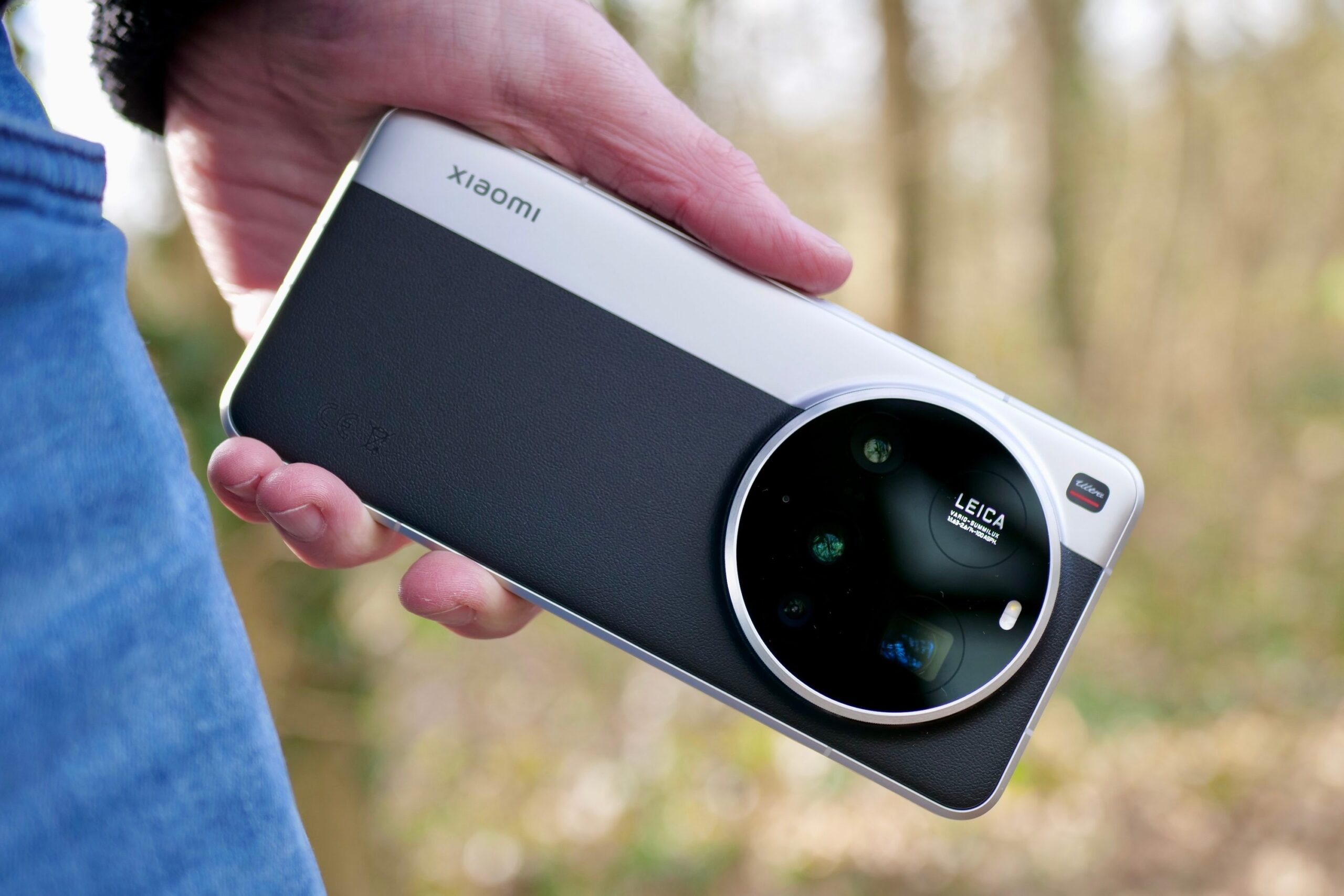
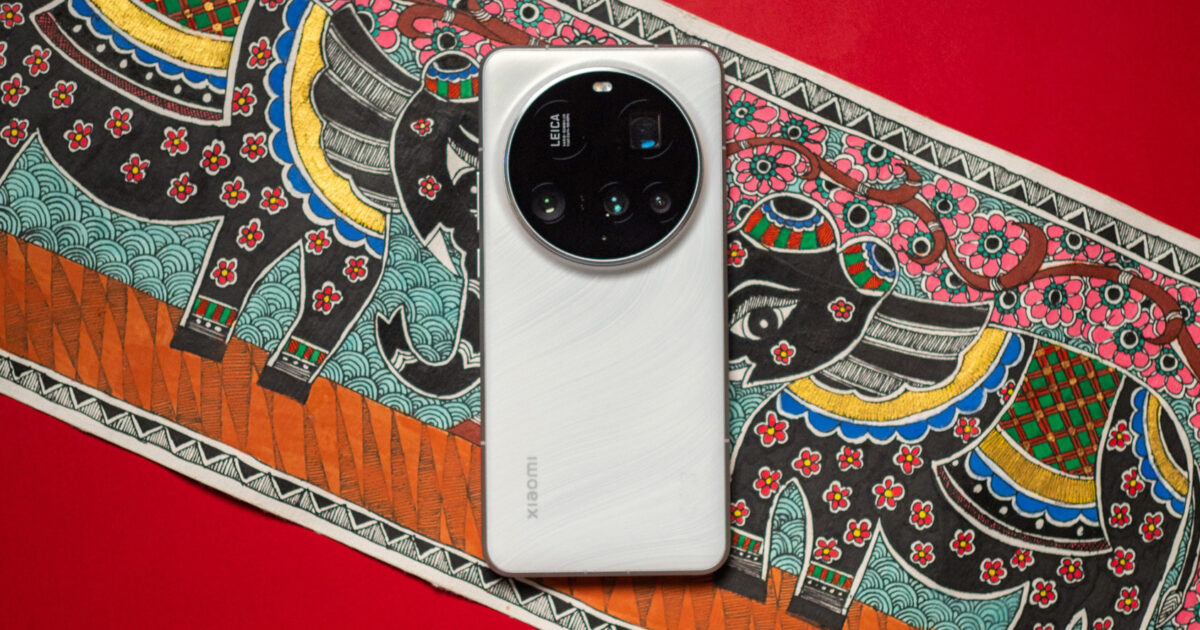
Let us address the elephant in the room – or rather, the camera bump that dominates every surface this phone touches. At 226 grams (229 grams for the Silver Chrome variant), the Xiaomi 15 Ultra is not heavy by flagship standards. It is top-heavy. That enormous round camera housing shifts the center of gravity upward, and you feel it every time you reach for the device on a table. The aluminum frame is matte and premium, IP68 rated against dust and water submersion, and the Shield Glass 2.0 on front feels solid enough. But this phone demands a case – not for drop protection, but for basic usability without the camera ring digging into your palm.
The optional Photography Kit changes everything. The case with its detachable hand grip, two-stage shutter button, exposure compensation dial, and zoom rocker transforms the device from an unwieldy slab into something resembling an actual camera. The grip houses a 2,000mAh battery that juices your phone via the USB-C port, and there is a 67mm filter adapter ring for lens attachments. Without it, you are holding a very expensive, very slippery rectangle. With it, you are holding a tool. Xiaomi sells this separately, which feels like a missed opportunity given the phone already commands a premium price tag.
Living With It: Panel Quality & Sunlight Visibility
The 6.73-inch LTPO AMOLED panel running at 3200 x 1440 with a 1-120Hz adaptive refresh rate is, frankly, one of the best displays available on any smartphone right now. HDR10+ and Dolby Vision support means HDR content pops with genuine contrast, and the peak brightness handles direct sunlight without the squinting that plagues lesser flagships. The ultrasonic fingerprint sensor beneath the display is fast and accurate – I rarely encountered failed reads during my testing period. Colors are vivid without crossing into oversaturated territory, and the 20:9 aspect ratio makes one-handed use possible if you have average-to-large hands.
Under Load: Thermal Throttling & Real Speed
The Snapdragon 8 Elite inside the 15 Ultra delivers raw performance that is 38% faster in single-core and 28% faster in multi-core compared to its predecessor. Graphics performance sees a 30% uplift. Gaming is smooth, emulation handles everything I throw at it, and daily tasks feel instantaneous. Xiaomi equipped the device with a NextGen 3D dual-channel ice loop cooling system that is 13% larger than the 14 Ultra’s vapor chamber, and the phone does run cooler under sustained load.
But here is where reality intrudes: overheating continues to be a problem. After 15 minutes of intensive gaming, the 15 Ultra runs hotter than the Vivo X200 Pro and exhibits the same thermal behavior as the Qualcomm-powered Honor Magic 7 Pro. The cooling system helps, but it does not eliminate the issue. If you are shooting 4K120 video or running demanding titles for extended sessions, you will notice the warmth creeping up through the frame. It is manageable, but it is there.
The Camera System: Where the 15 Ultra Earns Its Name
This is why you are here, and this is where the Xiaomi 15 Ultra justifies its existence. The imaging system is built around four distinct sensors, each serving a specific purpose rather than existing for spec-sheet padding.
The Main Event: The 50MP 1-inch Sony LYT-900 at f/1.63 with OIS is the same sensor Xiaomi used last year, and I am genuinely glad they did not change it. Why? Because it works. The 1-inch sensor captures extraordinary detail with wide dynamic range, and the fixed f/1.63 aperture delivers natural depth of field without the artificial bokeh that plagues smaller sensors. Photos come out with tons of detail, and the dynamic range handles challenging lighting scenarios with ease.
The Telephoto Revolution: The headline addition is the 200MP Samsung HP9 periscope sensor handling 4.3x optical zoom and beyond. This is, without qualification, the best telephoto sensor in any smartphone right now. The Vivo X200 Pro uses the same module, and both devices produce stunning long-range results. Detail retention at extended zoom ranges is remarkable, and the OIS keeps shots steady even at maximum magnification.
The Portrait Specialist: The 50MP Sony IMX858 at 70mm (3x) with floating lens elements and OIS doubles as a macro shooter with 10cm minimum focus distance. This is the lens you reach for when you want compressed perspectives, portrait shots with natural rendering, or close-up detail work. The macro capability is genuinely useful rather than a gimmick.
The Ultra-Wide: The 50MP Samsung JN5 at 14mm with a 115-degree field of view rounds out the system. It is competent but not class-leading – ultra-wide results lag behind other flagships in some test categories, particularly in edge distortion and low-light noise.
Video Capabilities: You get 4K60 across all rear cameras from 0.6x to 4.3x, which is genuinely useful for creators who need consistent quality across focal lengths. The main camera and 200MP telephoto both support 4K120, a unique advantage no other phone currently offers. LOG video capture provides flexibility for post-processing, and the overall videography toolkit is tailored to compete with – and in some areas beat – the iPhone 16 Pro series.
Leica Partnership: Authentic vs. Vibrant
Xiaomi continues its collaboration with Leica, offering two distinct shooting profiles. Leica Authentic delivers a slight vignette with accurate detail rendering and natural-looking colors. Leica Vibrant pushes saturation and contrast for more immediately striking images. I defaulted to Vibrant mode for most of my testing because the tonal balance simply looks better for social sharing and quick consumption. The Leica processing is the cherry on top of an already excellent hardware foundation – it gives images a character that computational photography from Google or Apple sometimes sanitizes away.
Portrait mode benefits significantly from the Leica tuning. Color processing on skin tones is flattering without crossing into artificial territory, and the 70mm focal length produces genuinely professional-looking subject separation. Fastshot Mode for street photography is responsive enough to capture fleeting moments, though autofocus stepping occasionally interrupts the flow.
The Friction Points
What Works
- Telephoto Dominance: The 200MP periscope sensor delivers the best long-range zoom results available on any smartphone, period.
- Main Sensor Consistency: The 1-inch Sony LYT-900 produces reliable, detailed images with excellent dynamic range across lighting conditions.
- Video Flexibility: 4K60 across all rear cameras and 4K120 on main and telephoto is a genuine creative advantage.
- Photography Kit Integration: The optional grip with shutter button, exposure dial, and filter adapter makes this feel like an actual camera.
- Display Quality: The 6.73-inch LTPO AMOLED panel is among the best in class for color accuracy, brightness, and HDR performance.
- Raw Performance: Snapdragon 8 Elite handles gaming, emulation, and multitasking without breaking a sweat.
- Leica Color Science: Both Authentic and Vibrant modes deliver distinctive, pleasing results that stand apart from competitors.
- Battery Life: The 5,000mAh cell provides solid all-day endurance, and the Photography Kit adds 2,000mAh more when attached.
What Frustrates
- Thermal Management: Despite the larger vapor chamber, the 15 Ultra runs hotter than the X200 Pro during extended gaming or video capture sessions.
- Video Stabilization: Electronic stabilization is decent but less effective than the iPhone 16 Pro Max or Huawei Pura 70 Ultra – walking shots retain noticeable shakiness.
- Autofocus Inconsistencies: Occasional stepping and hunting, particularly in low light or with moving subjects, disrupts the shooting experience.
- Color Casts: Warm color casts appear in both photo and video under certain lighting conditions, requiring post-processing correction.
- Group Shot Limitations: The narrow depth of field from the 1-inch sensor means background faces in group shots frequently fall out of focus.
- Ultra-Wide Weakness: The 50MP JN5 module lags behind competing flagships in edge sharpness and low-light performance.
- Selfie Camera: The 32MP front shooter with autofocus is adequate but not exceptional for this price tier.
- Accessory Extras: No charging adapter in the box, no lens cover included, and the Photography Kit is sold separately despite being integral to the camera experience.
- Lens Durability: The camera lenses are scratch-prone without a cover, and the exposed design invites damage.
The Honest Assessment
The Xiaomi 15 Ultra is not trying to be everything to everyone. It is a niche device that prioritizes imaging above all else, and it succeeds brilliantly in that specific mission. The telephoto performance alone justifies the purchase for photography enthusiasts who need optical-quality zoom in their pocket. The main sensor delivers consistent, detailed results that rival dedicated cameras in good light. The Leica partnership adds character that computational photography alone cannot replicate.
But this phone demands compromises. The thermal issues are real. The video stabilization trails Apple and Huawei. The ultra-wide camera is merely good when it should be great. And the overall package feels incomplete without the Photography Kit, which should be included in the box rather than sold as a premium accessory.
If you are looking for the absolute best smartphone camera system available in 2025, the Xiaomi 15 Ultra belongs in the conversation. It may sit at the apex of mobile photography this year. Just understand that you are buying a camera first and a phone second, and adjust your expectations accordingly.
Tags: Xiaomi 15 Ultra camera review, Xiaomi 15 Ultra long term review, best smartphone camera 2025, Xiaomi 15 Ultra vs iPhone 16 Pro, 200MP periscope telephoto, Leica smartphone camera, Xiaomi 15 Ultra photography kit, Snapdragon 8 Elite camera phone, 1 inch sensor smartphone, Xiaomi 15 Ultra thermal throttling, best zoom camera phone, Xiaomi 15 Ultra video quality, Xiaomi 15 Ultra low light camera, Xiaomi 15 Ultra vs Vivo X200 Pro