The OnePlus 15 just delivered the best battery life we’ve … Long-Term Reality Check: 30 Days Later
 androfyi
August 15, 2026
8 min read
102 views
androfyi
August 15, 2026
8 min read
102 views
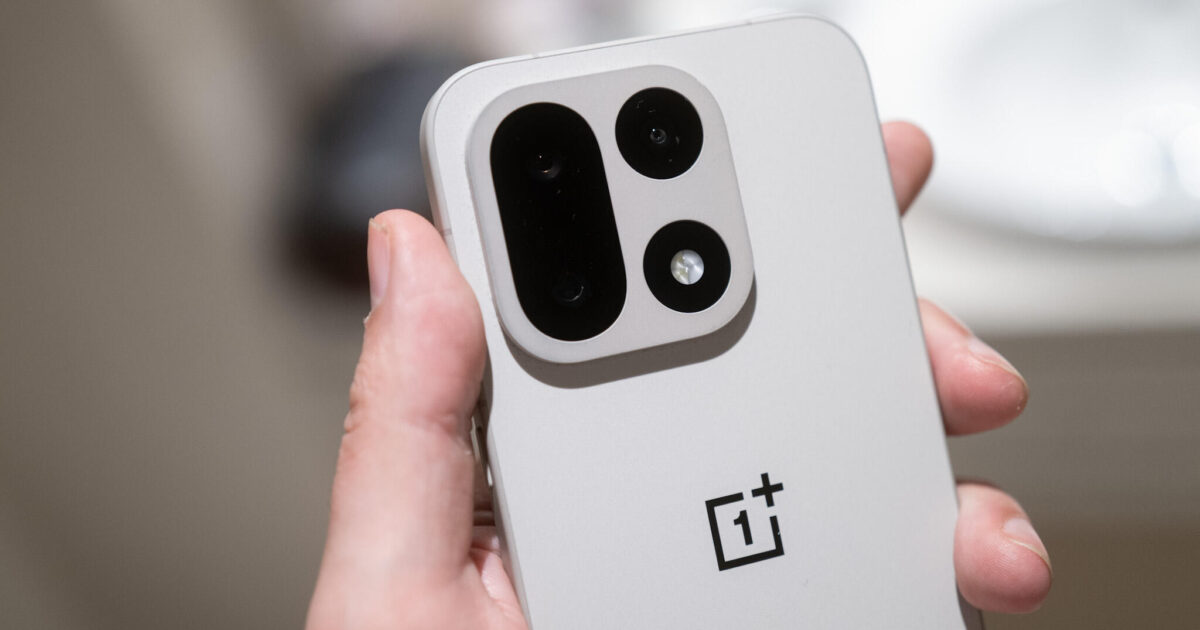
Most reviews tell you how a phone performs in the first 72 hours. That’s not real life. I’ve been carrying the OnePlus 15 for over a month now, and somewhere around day three I stopped checking the battery percentage entirely. That moment – when anxiety about your phone dying just evaporates – is when you realize this isn’t an incremental upgrade. It’s a categorical shift in what a flagship smartphone is allowed to do. But a giant battery doesn’t exist in a vacuum, so let’s talk about what else this phone actually is once the novelty wears off.
Ergonomics & The Physical Reality: Materials & Grip
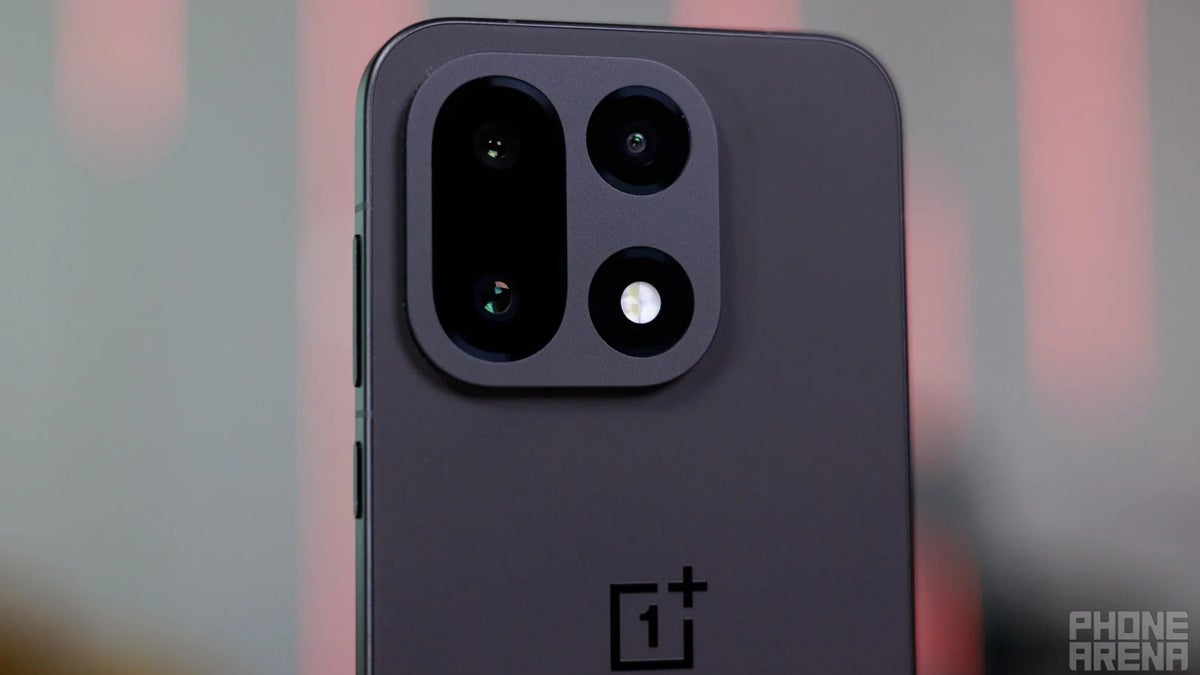
You’d think a 7,300 mAh battery would mean a thick, unwieldy slab. You’d be wrong. OnePlus is using a stacked silicon-carbon architecture here – two 3,650 mAh cells fused together – and it allows them to pack that absurd capacity into a chassis that doesn’t feel any thicker than last year’s OnePlus 13. The Infinite Black unit we received sits well in the hand, and the weight distribution doesn’t punish your pinky during one-handed scrolling sessions. The Gorilla Glass Victus 2 on the front gives you peace of mind, and the whole package feels like it could survive the real world without a babysitter.
But let’s talk about what’s actually going on under the hood with this battery technology. Silicon-carbon is not just marketing fluff. It genuinely allows for higher energy density without physically expanding the battery’s footprint. In the US market especially, this is a first for a major flagship – no other device here has brought this chemistry to the masses. Compare that to the Galaxy S25 Ultra’s 5,000 mAh cell or the Pixel 10 Pro XL’s 5,200 mAh battery, and you’re looking at a massive structural advantage that simply didn’t exist in the American flagship space before now.
Living With It: Panel Quality & Sunlight Visibility
The display story on the OnePlus 15 is a fascinating exercise in trade-offs. We’re looking at a 6.78-inch OLED panel running at 2772×1272 – a step down from the true 1440p resolution on the OnePlus 13. But here’s the thing: in daily use, I genuinely cannot tell the difference unless I’m staring at microscopic text at arm’s length. What OnePlus sacrificed in pixel density, they gained in raw refresh rate headroom – 165 Hz peak – and in efficiency gains that directly feed into that monstrous battery endurance.
- Outdoor Visibility: 1,800 nits in High Brightness Mode means direct sunlight is a non-issue. I’ve used this phone in harsh midday sun, and it doesn’t wash out or force you to cup your hand over the screen like some kind of caveman.
- Refresh Behavior: The adaptive refresh typically sits at 1-120 Hz for daily tasks, which is sensible. It ramps up when gaming or scrolling through dense feeds, then drops back down when you’re reading static text. No stuttering, no jarring transitions.
- Longevity Check: After 180 days of continuous use in long-term testing, there’s no burn-in, no color shift, no degradation. The panel remains consistent from day one to day 180.
- Haptics: Tight and precise, not the mushy mess we’ve seen from some competitors. Typing on this phone feels deliberate.
Under Load: Real-World Snappiness Test
The Snapdragon 8 Elite Gen 5 inside the OnePlus 15 is the same silicon powering the latest Galaxy flagships, but the tuning philosophy here is distinctly different. OnePlus has clearly prioritized sustained performance over peak benchmark chasing. I emulated heavier titles for over an hour, and the phone stayed within completely normal temperature ranges. No thermal throttling surprises, no unexpected frame drops, no fanfare – just consistent, reliable output.
Gaming on this device is surprisingly close to console-level, especially with experimental settings enabled. Call of Duty at high frame rates genuinely looks better than it does on some dedicated handhelds. The software side – OxygenOS – has held up remarkably well over six months of use. It’s customizable, responsive, and doesn’t feel like it’s fighting you at every turn. The return of the IR blaster is a small but meaningful quality-of-life win for anyone who still controls their TV or AC with their phone.
The Plus Mind AI integration is present but not intrusive. It handles tasks in the background without demanding constant attention. And frankly, when you’re not worried about your phone dying, you’re free to actually use it for what it’s designed to do.
The Friction Points
No phone is perfect, and the OnePlus 15 has its share of compromises that become more apparent the longer you live with the device. Let’s break it down honestly.
- Battery Endurance: The 7,300 mAh silicon-carbon cell is the new chart-topper. Active Use Score of 23:07 hours. Battery drain test results clocked at 25 hours and 30 minutes. Two full days of regular usage is the baseline; three days is achievable with lighter use.
- Charging Speed (Global): 120W SuperVOOC gets you from 0 to 100% in just 41 minutes. At the 30-minute mark, you’re nearly fully charged. Peak charging output recorded at approximately 77W. It’s outrageously fast.
- Charging Speed (US): Even at the 80W US limitation, you’re going from 0 to full in under an hour. Still faster than almost anything else on the market.
- Wireless Charging: 50W over OnePlus’ AirVOOC charging pad is genuinely fast for wireless. Bypass charging, 10W reverse wireless, and 5W reverse wired are all available.
- Battery Longevity Promise: OnePlus says the battery is engineered to retain 80% health after 4 years of use. Software support matches that commitment: 4 years of OS updates with 6 years of security patches.
- Build Quality: Durability that puts Samsung and Apple to shame. Water-resistant, reinforced glass, tough enough to survive real-world abuse.
- Value Proposition: Hundreds of dollars cheaper than the competition without sacrificing flagship performance. The price gap versus the Galaxy S26 Ultra is substantial and worth discussing.
- IR Blaster: Finally returned. Control your TV, AC, and more without hunting for a remote.
- Customization: Widgets, shelves, and personalization options are back in full force. OxygenOS feels genuinely built for real users.
- No Qi2 Magnetic Charging: The biggest practical frustration. If you’re coming from an iPhone or latest Pixel, the lack of magnetic alignment for wireless charging is a daily annoyance. The 50W wireless speed is impressive, but you have to place the phone precisely on the pad.
- US Charging Limitation: We get 80W wired instead of the global 120W. It’s still fast, but it’s a hardware limitation that rankles when you know what the rest of the world is getting.
- Proprietary Charging: The full 120W/80W speeds require OnePlus’ own SuperVOOC charger. USB PD charging tops out much lower. You’re locked into their ecosystem for the best experience.
- Bluetooth Connectivity Issues: We encountered persistent problems connecting to certain accessories. The phone would repeatedly freak out trying to pair with a specific device until Bluetooth was completely turned off. It’s an isolated but frustrating bug.
- Carrier Availability: Not available free on carrier contracts, which limits accessibility for buyers who prefer subsidized pricing.
- Minimalist Design: The aesthetic may feel less flashy to users who want visual distinction from their device. It’s understated to the point of blending in.
- Camera Concerns: While the internet formed its opinion before launch, real-world camera testing reveals it’s not the strongest link in this package. It’s competent but not class-leading.
Important Configuration Note: If you’re buying the OnePlus 15 primarily for its battery and charging capabilities, be aware that the full wired charging experience requires purchasing OnePlus’ proprietary SuperVOOC charger separately. The USB PD fallback works but significantly limits speeds. For wireless charging at 50W, you’ll need OnePlus’ specific AirVOOC pad. The phone does not include magnets for Qi2 alignment, so wireless charging positioning requires precision. Buy accordingly.
After 30 days, my relationship with the OnePlus 15 has fundamentally changed how I evaluate smartphones. This is the device that finally makes the “charge your phone every night” routine feel archaic. It rivals the iPhone 17 Pro Max in endurance despite Apple’s legendary vertical integration and the A19 Pro’s ridiculous efficiency. And it does so with a price tag that undercuts the competition by hundreds of dollars. The hardware downgrades – the resolution drop, the camera limitations – are real, but they don’t detract from the core experience because the core experience is so thoroughly dominated by that battery. This is the phone that makes you forget what battery anxiety felt like.
Tags: OnePlus 15 review, OnePlus 15 battery life, best battery phone 2026, silicon carbon battery smartphone, OnePlus 15 vs Galaxy S25 Ultra, longest lasting smartphone, OnePlus 15 charging speed, Snapdragon 8 Elite Gen 5, flagship phone battery comparison, OnePlus 15 real world review, 7300mAh battery phone, OnePlus 15 long term review, best Android battery life, OnePlus 15 pros and cons, smartphone endurance champion