
[Jarrod’s Tech] Razer Blade 16 (2025) Review Review: Better Than the Competition?
 androfyi
February 19, 2026
3 min read
224 views
androfyi
February 19, 2026
3 min read
224 views
The high-end gaming laptop space in 2025 is fiercely competitive. You’ve got powerhouses like the ASUS ROG Zephyrus G16 and MSI Stealth 16 pushing performance boundaries, while others lean into portability or creator-focused features. Enter the Razer Blade 16 (2025) – a machine that refuses to compromise on luxury, packing NVIDIA’s latest RTX 5090 GPU and AMD’s first-ever Ryzen AI chip into a body that’s still shockingly thin and light. But with a price tag north of $4,499, it’s not just about raw specs – it’s about whether this Blade cuts deeper than the rest.
Design & Build
![[Jarrod's Tech] Razer Blade 16 (2025) Review Image](https://androfyi.com/wp-content/uploads/2026/02/tech_3688.jpg)
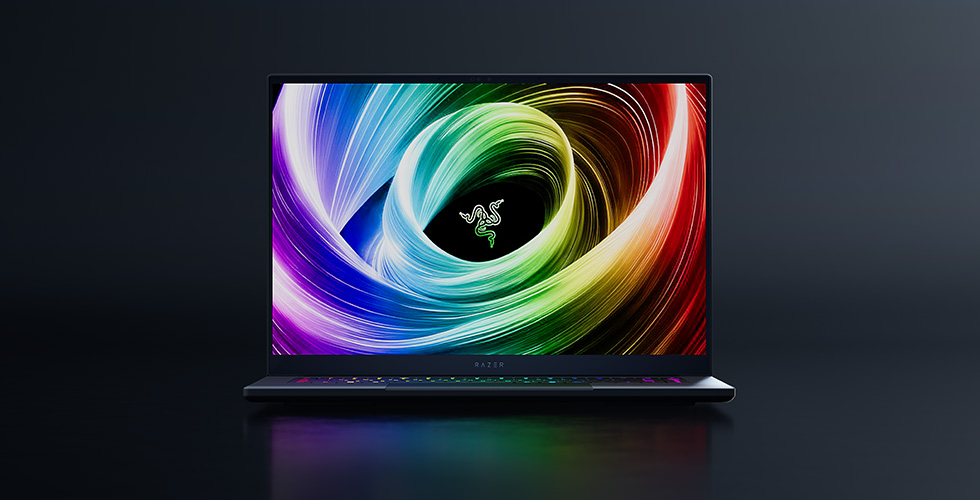
Razer hasn’t strayed from its winning formula: a CNC-milled aluminum unibody, matte black finish, and that iconic glowing green logo on the lid. The 2025 Blade 16 measures just 0.87 inches thick and weighs in at 5.4 pounds for high-end configs (or as low as 4.7 lbs), matching last year’s dimensions but feeling even more refined. The hinge opens up to 135 degrees, the chassis resists flex, and every surface exudes premium craftsmanship. Compared to bulkier competitors like the Lenovo Legion Pro 7i, the Blade feels like a stealth fighter – sleek, quiet, and undeniably stylish.
- Build Quality: Full-metal construction with zero creaks or wobble.
- Portability: Thinner and lighter than most RTX 5090 laptops, making it rare among flagship gaming rigs.
- Thermals: New vapor chamber cooling covers 57% of the motherboard with ultra-thin 0.05mm fins – keeping temps manageable without sacrificing silence.
The Lens Lowdown
This isn’t just another spec bump. The Blade 16 (2025) marks Razer’s first collaboration with AMD, swapping Intel for the Ryzen AI 9 HX 370 – a 12-core, 24-thread beast with a dedicated NPU delivering up to 50 TOPS of AI performance. That means native support for Windows Copilot+ features like Cocreator, Live Captions, and enhanced Studio Effects. Paired with 32GB of LPDDR5X-8000 memory and a blistering RTX 5090 (24GB GDDR7, up to 175W TGP), this machine is built for both frame rates and future-proof AI workloads.
- Display: 16-inch QHD+ OLED, 240Hz VRR, 0.2ms response, 100% DCI-P3 – gorgeous for gaming and content creation.
- Audio: Six speakers deliver rich, spatial sound that outperforms most laptop setups.
- Input: Glass touchpad is best-in-class; keyboard is smooth but slightly flat compared to mechanical-feeling rivals.
Comparison: [Jarrod’s Tech] Razer Blade 16 (2025) Review vs Rivals
When stacked against the ASUS ROG Zephyrus G16 (2025), the Blade 16 trades some peak GPU wattage for superior build and display quality. While the Zephyrus may push its RTX 5090 closer to 175W consistently, the Blade holds steady around 145–155W under load – still plenty for buttery QHD+ gameplay. In real-world tests, titles like Kingdom Come: Deliverance 2 ran smoothly at ultra settings, and DLSS 4’s frame generation made even demanding scenes feel fluid.
Battery life is respectable for a 175W-capable system: expect 5–6 hours of light productivity and over two hours of gaming unplugged – unheard of for a laptop this powerful. The 90Wh battery supports USB-C charging (up to 100W), though you’ll need the bulky 330W brick for full performance.
Where the Blade truly shines is in its balance. It’s not the absolute fastest RTX 5090 laptop, nor the cheapest. But it’s arguably the most polished – offering a vapor chamber cooling system that keeps noise down, a stunning OLED panel, and Razer’s signature minimalist aesthetic. The Zephyrus G16 wins on raw value, and the MSI Stealth 16 offers more ports, but neither matches the Blade’s cohesive luxury experience.
Should You Upgrade?
• Premium CNC aluminum build with iconic design
• Gorgeous 240Hz QHD+ OLED display
• Excellent thermals and quiet operation
• Strong battery life for a high-wattage gaming laptop
• Best-in-class glass touchpad and six-speaker audio
• Future-ready with Ryzen AI NPU and Copilot+ support
• Very expensive – starting at $4,900
• Keyboard lacks tactile depth compared to competitors
• GPU power limited to ~155W sustained (vs. 175W peak)
• No upgrade path for RAM (soldered LPDDR5X)
Verdict: The Razer Blade 16 (2025) isn’t for everyone – but if you demand top-tier performance wrapped in a sleek, portable, and meticulously crafted package, it’s one of the best gaming laptops you can buy today. It doesn’t lead every benchmark, but it delivers an experience that feels effortlessly premium. Worth it? Only if you value design, display, and daily usability as much as frame rates.
Tags: Razer Blade 16, RTX 5090 laptop, AMD Ryzen AI 9 HX 370, gaming laptop review 2025, OLED gaming laptop, thin gaming laptop, high-end laptop, Razer 2025, NVIDIA Blackwell, Copilot+ laptop, premium gaming laptop, Razer vs ASUS, laptop thermals, QHD+ 240Hz, portable gaming rig