Review: Is the DJI Mavic 4 Pro review – I tried the new DJI flagship for over a month and this is what I discovered Worth the Hype?
 androfyi May 24, 2026 5 min read 384 views
Disclosure: This post contains affiliate links. If you buy through them, we may earn a commission at no extra cost to you.
Verdict in 10 Seconds: The Mavic 4 Pro isn’t revolutionary, but it’s the most polished, capable, and confidence-inspiring consumer drone DJI has ever made.
The Good & The Bad
- Image Quality: All three cameras deliver stunning 4K HDR video and crisp photos, with the 6x telephoto finally getting a sensor upgrade that matches its reach.
- Flight Time & Battery Life: Real-world flights consistently hit 48–52 minutes – enough for three full missions per battery, a huge leap from the Mavic 3 Pro.
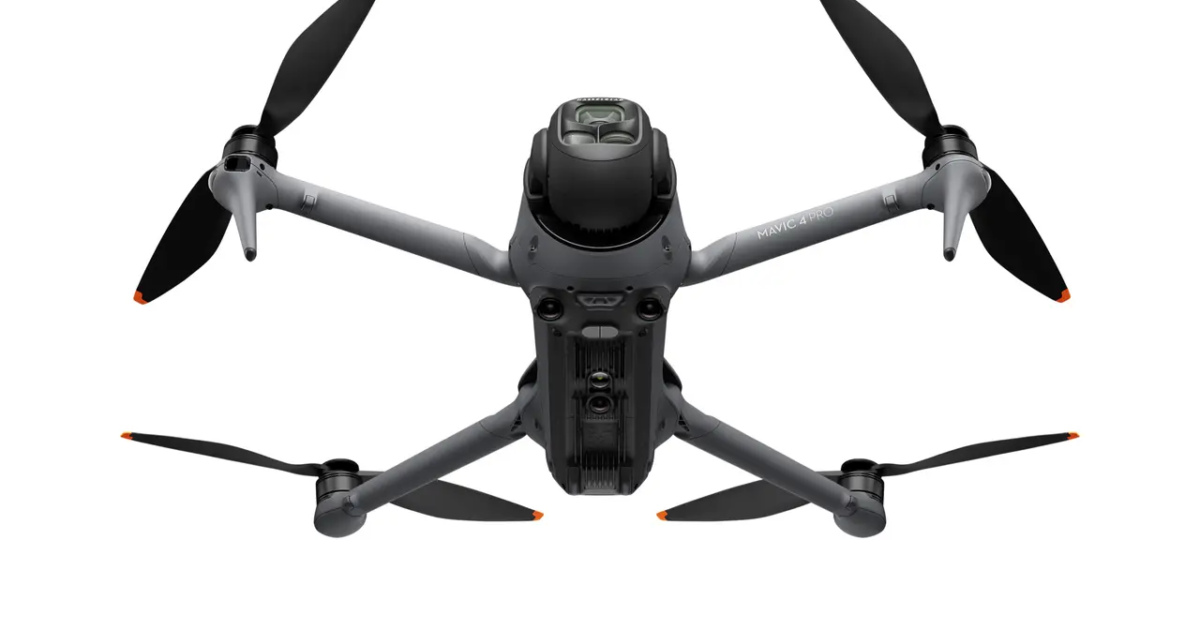
- Infinity Gimbal: The 360° rotating gimbal enables true vertical video, Dutch angles, and creative framing without rotating the drone – game-changing for social content.
- RC Pro 2 Controller: Brighter screen, intuitive wheel-based manual controls, foldable sticks, and seamless auto-power-on make it a joy to use daily.
- Low-Light Obstacle Avoidance: Front-facing LiDAR works flawlessly even in near darkness (0.1 lux), giving peace of mind in tricky environments.
- OcuSync 4+ Transmission: Rock-solid signal up to 15 km (CE) with zero dropouts – even flying through dense forest or deep valleys.
- Weight & EU Classification: At 1063g, it’s a C2-class drone in Europe – more paperwork, flight restrictions, and registration hurdles than lighter models.
- Gimbal Learning Curve: While powerful, the Infinity Gimbal requires practice to master smooth rotations; beginners may find it disorienting at first.
- RC Pro 2 Build Concerns: The folding mechanism feels less robust than expected for a $600+ controller – handle with care.
- No 6K on Zoom Cameras: Only the main 1x camera shoots 6K60; the 2.5x and 6x top out at 4K – fine for most, but pros might notice the limitation.
- Price: Starting at $2,149 (drone only), it’s a serious investment – especially if you opt for the Creator Combo with extra batteries and RC Pro 2.
After logging over 30 hours of flight time across Colorado’s alpine trails, desert canyons, and coastal cliffs, I can say this: the Mavic 4 Pro doesn’t just improve on the Mavic 3 Pro – it redefines what reliability and creative flexibility mean in a consumer drone. Whether you’re shooting cinematic landscapes, documenting adventures, or crafting vertical content for social media, this machine handles it all with quiet confidence.
First Impressions
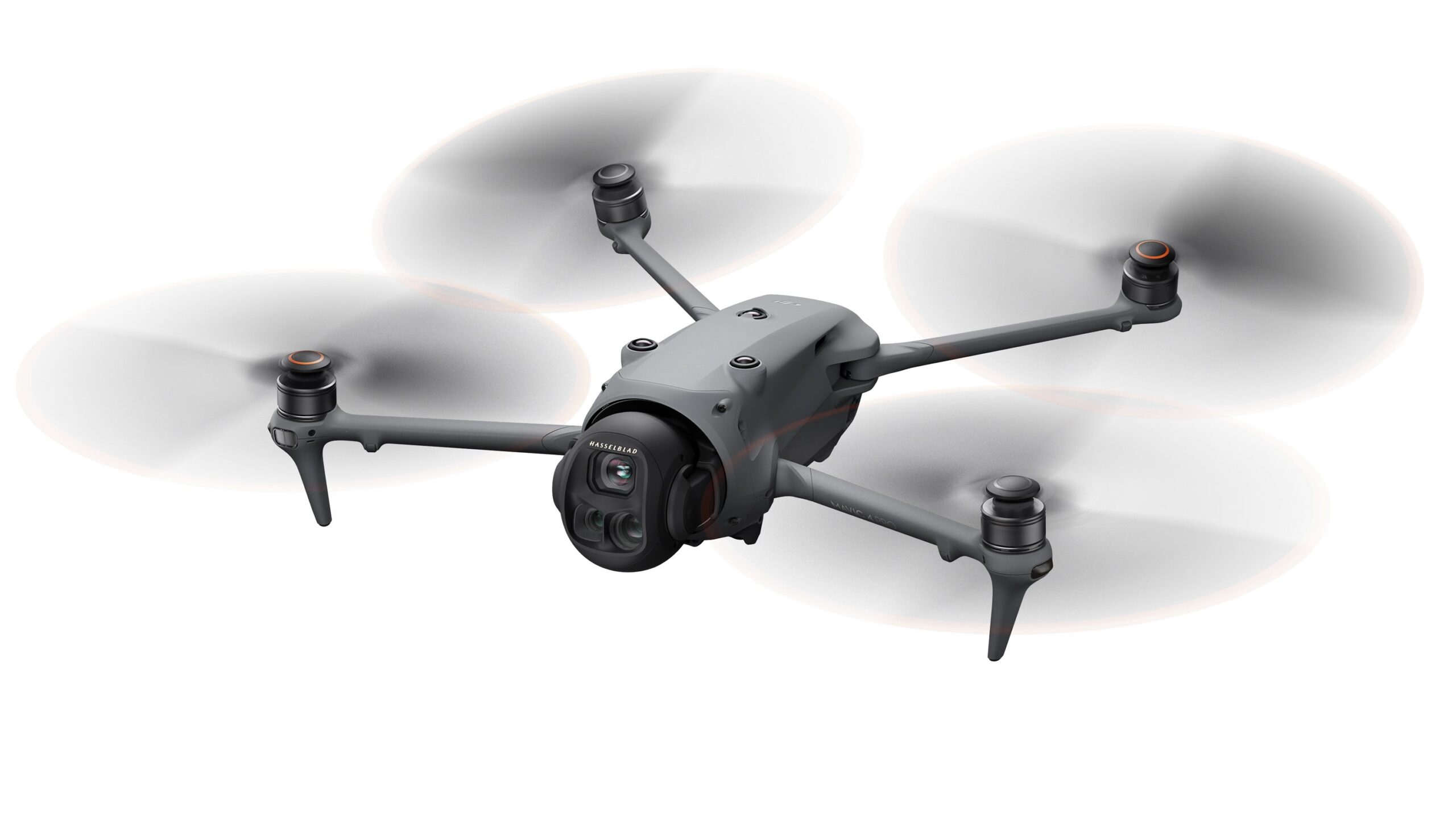
Unboxing the Mavic 4 Pro feels like unwrapping a precision instrument. It’s noticeably heavier than its predecessor – solid, not flimsy – and the redesigned arms and gimbal housing give it a futuristic edge. The new RC Pro 2 controller immediately stands out: thicker, sturdier, and with that glorious 5.5-inch 1000-nit screen that stays visible even under direct desert sun. Pairing is instant, and within seconds, I was airborne.
What struck me most wasn’t raw power – it was refinement. Menu navigation is snappier, mode switches are instantaneous, and the drone responds to stick inputs with near-zero latency. Even hand-launching felt less risky after a few tries, thanks to better weight distribution and quieter, smoother motor spool-up.
Performance Test
In Sport mode, the Mavic 4 Pro hits 25 m/s – fast enough to keep up with moving vehicles or chase golden-hour light across ridges. But it’s in windy conditions where it truly shines. Facing 12 m/s gusts in the Rockies, the drone held its position like a rock, with minimal drift and no erratic corrections. That stability translates directly into smoother footage, even without ND filters.
Battery performance exceeded expectations. On a chilly autumn morning (8°C), I clocked 51 minutes of mixed flying – including hover time, tracking shots, and multiple altitude changes. With three batteries in the Creator Combo, I comfortably completed full-day shoots without rushing back to charge.
The Lens Lowdown
The triple-camera system remains the Mavic 4 Pro’s crown jewel – but now each lens feels truly optimized:
- Main Wide-Angle (1x): The 1-inch sensor captures 6K60 video with incredible dynamic range. D-LOG M preserves highlights beautifully, and slow-mo at 4K120 looks cinematic even on small screens.
- Mid-Range Telephoto (2.5x): Perfect for isolating subjects without losing detail. Its 70mm-equivalent field of view is ideal for portrait-style aerials, and 4K120 slow-motion adds drama to waterfalls or wildlife.
- Long-Range Telephoto (6x): Finally upgraded with a larger 1/1.5″ sensor, this 168mm lens delivers clean 4K60 footage even at full zoom. No more softness or noise – just sharp, usable telephoto shots that rival DSLR quality.
The real magic? Switching between lenses is seamless, and the new vertical crop mode (4K 9:16 at 60fps) lets you shoot TikTok-ready content without rotating the gimbal – a small touch that saves massive editing time.
Final Score
DJI Mavic 4 Pro – Overall Rating
9.2 / 10
Best for: Prosumers, content creators, and serious hobbyists who demand reliability, image quality, and creative freedom.
Not for: Casual flyers or travelers prioritizing ultra-lightweight gear under 900g.
Tags: DJI Mavic 4 Pro, drone review, aerial photography, 6K video, OcuSync 4+, Infinity Gimbal, RC Pro 2, telephoto drone, obstacle avoidance, long flight time, vertical video, C2 drone, prosumer drone, best DJI drone 2025, camera drone comparison