Alienware m16 review (m16 R1 model Review: Better Than the Competition?
 androfyi
May 25, 2026
4 min read
239 views
androfyi
May 25, 2026
4 min read
239 views
When it comes to high-performance gaming laptops, the Alienware m16 R1 enters a crowded battlefield dominated by leaner machines like the ASUS ROG Zephyrus M16 and Lenovo Legion Pro 7i. But while those rivals prioritize portability, Dell’s 2023 flagship leans hard into raw power – packing an Intel i9-13900HX and a full-power RTX 4080 into a chassis that’s undeniably chunky. After weeks of testing, we found a machine that excels in performance and thermals but stumbles in everyday usability. Is it still worth your cash in 2024?
In The Hand
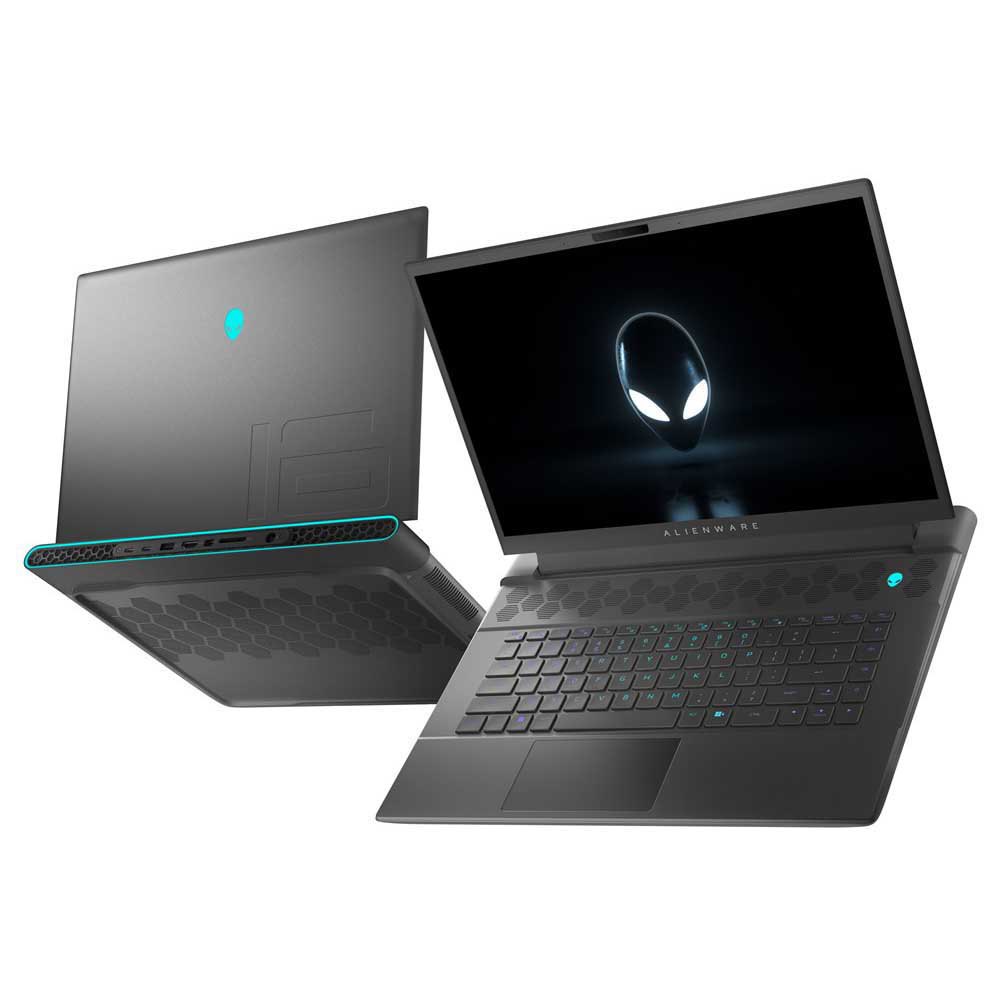
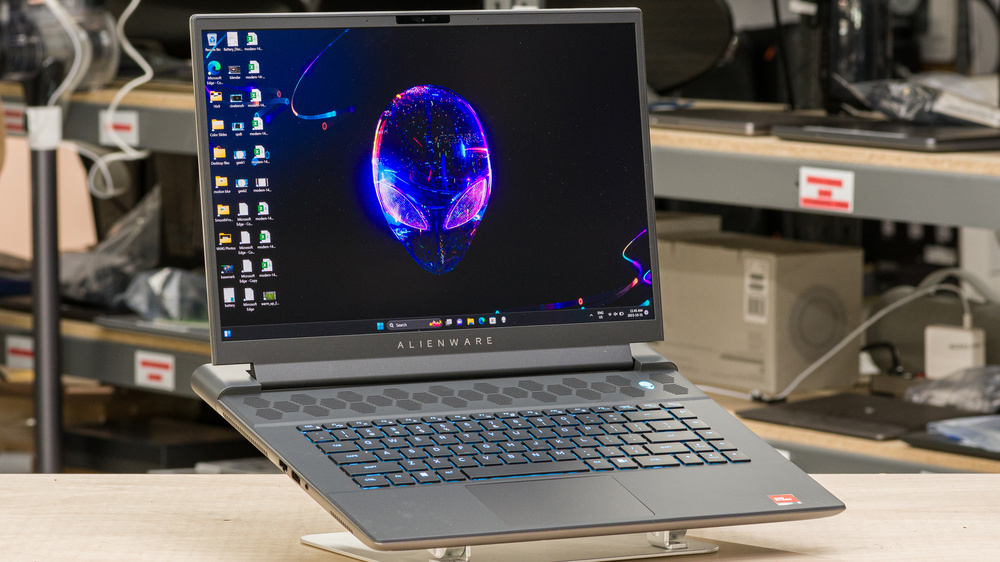
The m16 R1 is a statement piece – just not one that fits easily into most backpacks. At 3.25 kg (7.17 lbs) and measuring 14.5” wide by 11.4” deep, it’s noticeably heavier than competitors like the 2.4 kg ROG Zephyrus M16. The build quality, however, is premium: magnesium alloy lid, sturdy hinges, and a keyboard deck that resists flex. Dell’s signature “Legend” design language returns with angular vents, customizable AlienFX lighting, and a rear exhaust that doubles as a visual centerpiece.
Ports are generously scattered – but oddly unbalanced. You’ll find two Thunderbolt 4 USB-C ports (with DisplayPort 1.4 and 15W PD), HDMI 2.1, Mini DisplayPort 1.4, a full-size SD card reader (that sticks out awkwardly), and a 2.5G Ethernet jack on the back. The left side hosts a single USB-A 3.2 Gen 2 port and a headphone/mic combo jack, while the right side is completely bare. It’s a solid selection for creators and streamers, though the lack of USB-C charging beyond 15W feels like a missed opportunity.
- Keyboard & Trackpad: The per-key RGB keyboard offers deep 1.8mm travel and optional CherryMX mechanical switches – a rarity in laptops. Typing is satisfying, but the trackpad is disappointingly small for a 16-inch machine, making precise cursor control a chore.
- Display: Our review unit featured the 240Hz QHD+ (2560×1600) IPS panel with 100% DCI-P3 coverage. Colors are vibrant, motion is buttery smooth, and the 3ms response time (with overdrive) keeps ghosting minimal. Just note: this screen consumes more power – expect shorter battery life at higher refresh rates.
Camera Test
The 1080p IR camera supports Windows Hello facial recognition and performs decently in well-lit environments. However, low-light video calls reveal noise and soft details – fine for Zoom meetings, but not studio-grade. Dual-array mics pick up voice clearly but struggle with background noise suppression compared to MacBook Pros or Dell’s own XPS line.
Comparison: Alienware m16 review (m16 R1 model vs Rivals
Stacked against the ASUS ROG Zephyrus M16 (RTX 4070) and Lenovo Legion Pro 7i (RTX 4080), the m16 R1 pulls ahead in sustained workloads thanks to its robust cooling and 175W GPU TGP. In Cyberpunk 2077 at Ultra + RT On, DLSS Auto pushed averages to 124 fps – 10–15 fps higher than the Legion and nearly 40 fps above the Zephyrus. Even in CPU-heavy titles like Elden Ring, the i9-13900HX maintained a steady 60 fps where others dipped below 50.
However, portability tells a different story. The Zephyrus M16 is 800g lighter and lasts 2+ hours longer on battery. The Legion Pro 7i matches the m16’s performance while offering better speaker quality and a larger trackpad. And both rivals support higher-wattage USB-C charging – something the m16 R1 oddly limits to 15W.
Storage and memory expandability is where Alienware shines: two M.2 2280 slots and two 2230 slots mean you can pack up to 8TB of Gen4 SSD storage. Most competitors only offer dual 2280 bays.
Should You Upgrade?
- Desktop-level performance: i9-13900HX + RTX 4080 handles 4K gaming and rendering effortlessly.
- Excellent thermals: Vapor chamber + quad-fan design keeps temps under 80°C even during marathon sessions.
- Upgrade-friendly: Four SSD slots and accessible RAM DIMMs future-proof your investment.
- Gamer-centric display: 240Hz QHD+ panel with G-SYNC and MUX switch minimizes input lag.
- Heavy and bulky: Not ideal for frequent travelers – feels like carrying a brick.
- Poor battery life: 86Wh cell drains in ~2.5 hours under mixed use; avoid unplugged gaming.
- Buggy Advanced Optimus: Occasional screen flickering when switching GPU modes.
- Subpar audio/webcam: Tinny speakers and mediocre camera lag behind premium ultrabooks.
Verdict: The Alienware m16 R1 is a powerhouse built for gamers and creators who refuse to compromise on performance – even if it means sacrificing portability. If you’re always near an outlet and crave max FPS in AAA titles, it’s a stellar choice. But if you value all-day battery or sleek design, look to lighter alternatives.
Score: 85/100
Tags: Alienware m16 R1 review, gaming laptop 2023, RTX 4080 laptop, i9-13900HX performance, QHD+ 240Hz display, Alienware vs ASUS ROG, Dell gaming laptop, high-end laptop comparison, upgradeable gaming laptop, laptop thermals test