Hands-on with the Xiaomi 17 Ultra: three upgrades I love and two things I wish it had
 androfyi June 6, 2026 7 min read 201 views
Disclosure: This post contains affiliate links. If you buy through them, we may earn a commission at no extra cost to you.
Forget the spec-sheet regurgitation. I spent real time with Xiaomi’s latest camera flagship in China, testing the Leica-tuned lenses, the new LOFIC sensor tech, and that Snapdragon 8 Elite Gen 5 chip in actual daily use. Here is exactly what justifies the £1,299 starting price, where Xiaomi still fumbles the execution, and whether the competition should actually be worried.
Market Reality Check
The Xiaomi 17 Ultra enters a brutal arena. The Samsung Galaxy S26 Ultra offers a proven global ecosystem and that polished 200MP sensor. The iPhone 17 Pro Max continues to dominate video capture and color consistency. OnePlus, Oppo, and Vivo are all pushing aggressive camera hardware at similar price points. Xiaomi’s counter-argument is clear: pair Leica’s optical authority with genuinely new sensor technology and wrap it in the thinnest Ultra chassis to date at 8.29mm. The question is whether the engineering ambition translates into a meaningfully better shooting experience during real use, not just on a bench.
Form Factor & Daily Handling
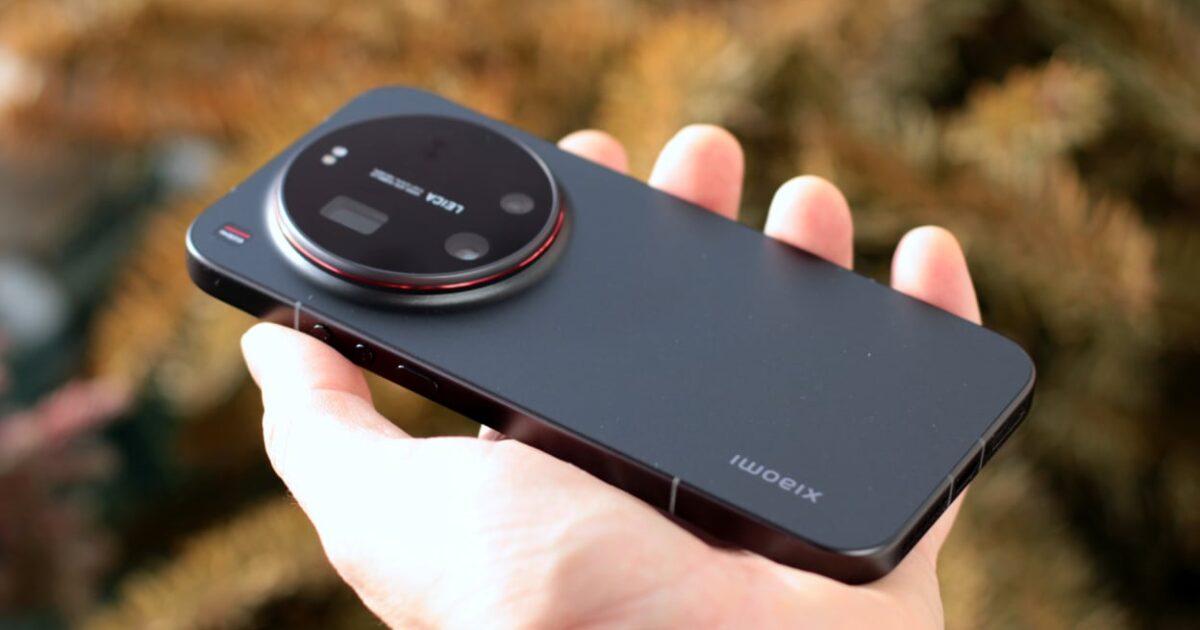
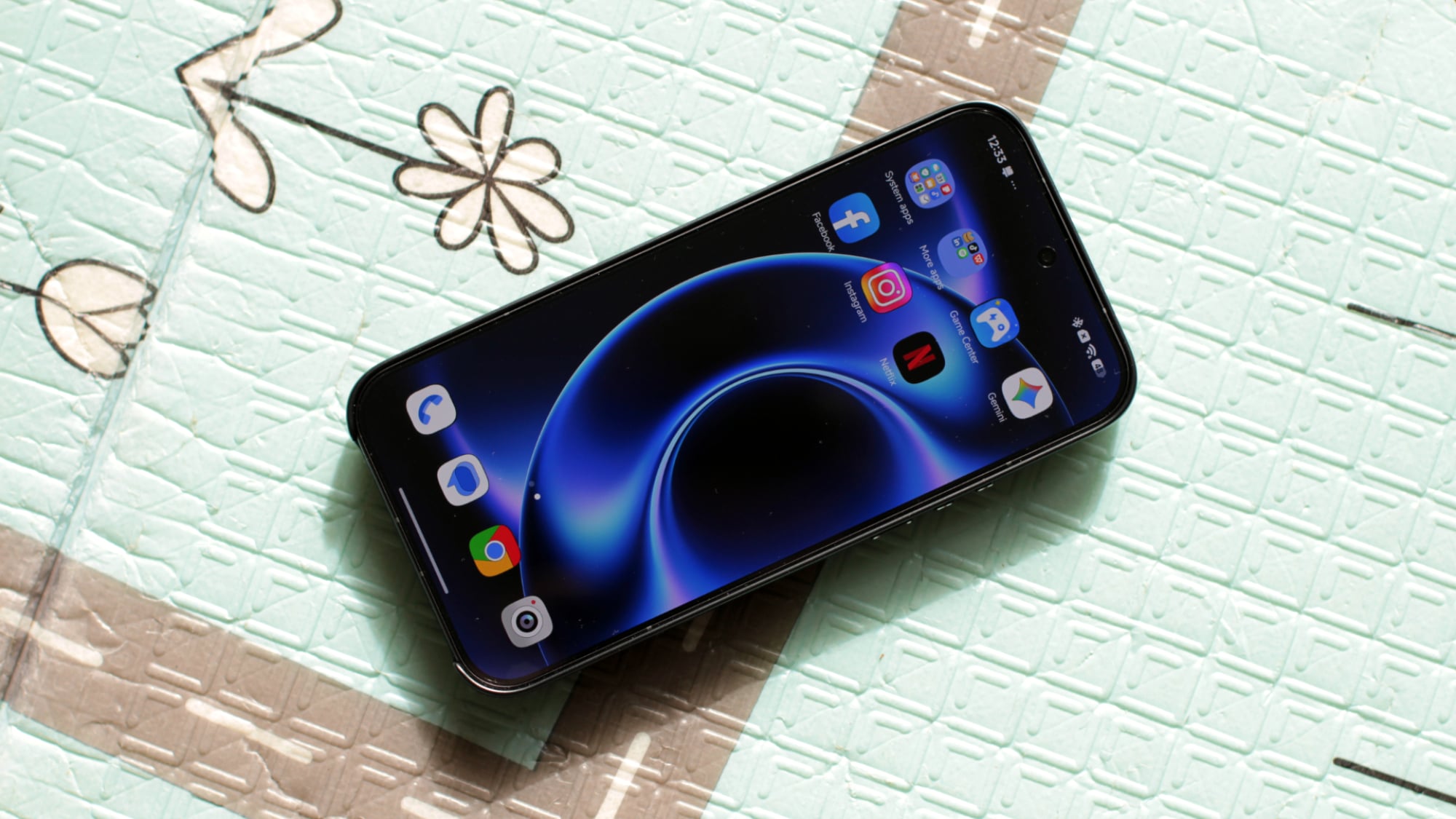
This is the thinnest Xiaomi Ultra ever, shaving over 1mm off the 15 Ultra’s 9.4mm profile. In the hand, that difference is immediately noticeable. The flat frame with micro-curved edges sits comfortably during extended shooting sessions, and the reduced camera deco protrusion means it no longer wobbles aggressively on flat surfaces. The 6.9-inch LTPO AMOLED panel pushes bezels to near-invisible levels using the same LIPO process Apple employs on the iPhone, and the 3,500-nit peak brightness (quoted at 25% APL, not a single-point peak) makes outdoor visibility genuinely excellent.
- LOFIC HDR Sensor: The OmniVision Light Hunter 1050L uses Lateral Overflow Integration Capacitor technology to capture a single exposure with multiple light-gathering stages rather than stacking multiple frames. The result is a genuine 16.5EV stops of dynamic range, up from the base Xiaomi 17’s 13.5EV. Shooting a white tent against a stone wall at sunset with long shadows and warm reflected light, highlights held detail that traditional multi-frame HDR often smears or artifacted. This is not marketing fluff. It is a structural change in how the sensor handles photon overflow.
- Leica UltraPure Optical Design: The seven-element hybrid lens with one glass element and multiple optical coatings measurably reduces glare and distortion compared to the 15 Ultra. Combined with the f/1.67 aperture, the main camera produces images with a natural yet vibrant color signature that I found more consistent than Samsung’s occasionally oversaturated processing.
- Seamless Focal Transition: The 50MP main sensor supports in-sensor zoom that integrates with the periscope telephoto, allowing a smooth transition between cropped sensor output and the dedicated 200MP 75-100mm telephoto. At 8.6x zoom, detail retention is genuinely impressive and reminds me of the moment Samsung first shipped a true optical 10x lens.
Low-Light Extraction & Color Science
This is where the 17 Ultra earns its “camera phone” reputation. The LOFIC sensor’s ability to recover highlights while pushing shadows in a single capture is the most meaningful hardware improvement Xiaomi has made to its Ultra line since the original 1-inch sensor appeared on the 12S Ultra. Shooting RAW DNG files, I recovered nearly two stops of shadow detail with minimal noise amplification, and highlight retention in high-contrast night scenes is class-leading among current flagships.
The Leica-tuned color profiles remain excellent. Skin tones are natural without the waxy smoothing that plagues many competitors, and the 50MP front camera captures authentic texture rather than the AI-processed porcelain look that Samsung and Apple still default to in many scenarios. Night videography at 4K 120fps in Log format preserves genuine ambiance rather than artificially brightening scenes into an unnatural blue-shifted mess.
- Fixed Focus Point Control in Pro Mode: During street shooting, the autofocus hunts unpredictably. It prioritizes faces when detected, otherwise grabs the closest object, and occasionally locks onto a window frame or background element instead of the subject behind it. There is no way to set a fixed focus point and recompose. For a phone at this price positioning itself as a professional photography tool, this is an inexcusable omission in the Pro shooting mode.
- Higher-Resolution Digital Crop Options: The 2x digital crop from the main sensor produces 12.5-megapixel files. I genuinely enjoy this focal length, but Xiaomi locks it out of Pro mode entirely. The main sensor can output 50MP RAW files, so offering a 12.5MP cropped RAW option should be trivial from an engineering standpoint. Instead, there is a jarring gap between the main camera and the telephoto lenses that breaks the shooting workflow.
The Nuance: Xiaomi 17 Ultra vs The Competition
Against the Samsung Galaxy S26 Ultra, the Xiaomi 17 Ultra wins on dynamic range in high-contrast scenarios thanks to LOFIC, and the slimmer 8.29mm profile is noticeably more pocketable than Samsung’s typically chunkier flagships. Samsung counters with superior software ecosystem integration, longer update support, and a more mature computational photography pipeline for fast-moving subjects.
Against the iPhone 17 Pro Max, the Xiaomi wins on zoom versatility, peak brightness, and charging speed at 90W wired and 50W wireless. Apple remains the benchmark for video consistency, color science reliability, and autofocus predictability, which is exactly where the Xiaomi 17 Ultra stumbles with its occasional hunting and lack of fixed focus control.
The Snapdragon 8 Elite Gen 5 with 16GB LPDDR5X RAM and UFS 4.1 storage delivers benchmark scores that edge out the OnePlus 15 in Geekbench 6, though Xiaomi’s decision to block 3DMark from running raises questions about what the company does not want reviewers to test. The 6,000mAh battery handles a full day of mixed use comfortably, and the M10 display panel’s Red-subpixel material delivers 11.4% better current efficiency, contributing to the slim profile without sacrificing endurance.
The Definitive Buy vs Pass Factors
- You prioritize still image quality in high-contrast and low-light scenarios above all else
- You want the thinnest flagship with a 1-inch sensor currently on the market
- RAW photography and Leica color science are central to your mobile workflow
- Fast charging at 90W wired is a daily necessity
- Reliable autofocus for fast-moving subjects like children is your primary use case
- You need granular manual control in Pro shooting mode with fixed focus points
- Video capture consistency matters more than still image quality
- You rely on ecosystem integration with tablets, watches, and laptops outside Xiaomi’s ecosystem
The Xiaomi 17 Ultra is the most capable camera phone Xiaomi has produced. The LOFIC sensor represents a genuine engineering leap rather than a spec bump, and the slinned design makes it the most daily-durable Ultra to date. But the autofocus inconsistencies and the missing Pro mode features reveal that Xiaomi’s software team has not kept pace with its hardware ambitions. At £1,299, those frustrations are hard to overlook when competitors at the same price deliver a more complete shooting experience, even if they cannot match the 17 Ultra’s raw image quality in challenging light. This is a camera that happens to also be a phone, and for the right photographer, that tradeoff will be absolutely worth it.
Tags: Xiaomi 17 Ultra hands-on, Xiaomi 17 Ultra review, Xiaomi 17 Ultra vs Samsung Galaxy S26 Ultra, Xiaomi 17 Ultra camera test, Xiaomi 17 Ultra LOFIC sensor, Leica Leitzphone vs Xiaomi 17 Ultra, Xiaomi 17 Ultra Pro mode issues, Xiaomi 17 Ultra low light photography, Xiaomi 17 Ultra price UK, Xiaomi 17 Ultra vs iPhone 17 Pro Max, Xiaomi 17 Ultra dynamic range test, Xiaomi 17 Ultra autofocus problems, Xiaomi 17 Ultra charging speed, Xiaomi 17 Ultra display brightness