Living with the Sony Alpha 7 V Full-frame Mirrorless Interchangeable Lens Camera: Real World Review
 androfyi
January 7, 2026
7 min read
263 views
androfyi
January 7, 2026
7 min read
263 views
It’s been 7 days since I unboxed the Sony Alpha 7 V, and honestly? I haven’t put it down. As someone who juggles street photography, weekend wedding gigs, and the occasional travel vlog, I’ve been hunting for a true “do-it-all” camera – something that doesn’t force me to choose between image quality, video performance, or portability. The A7 V promised exactly that: a hybrid powerhouse built for creators who refuse to compromise. Now, after a week of shooting in golden hour light, dimly lit cafes, and even a spontaneous night hike with friends, I’m ready to share what it’s *really* like living with this thing in the wild.
Day 1: Unboxing
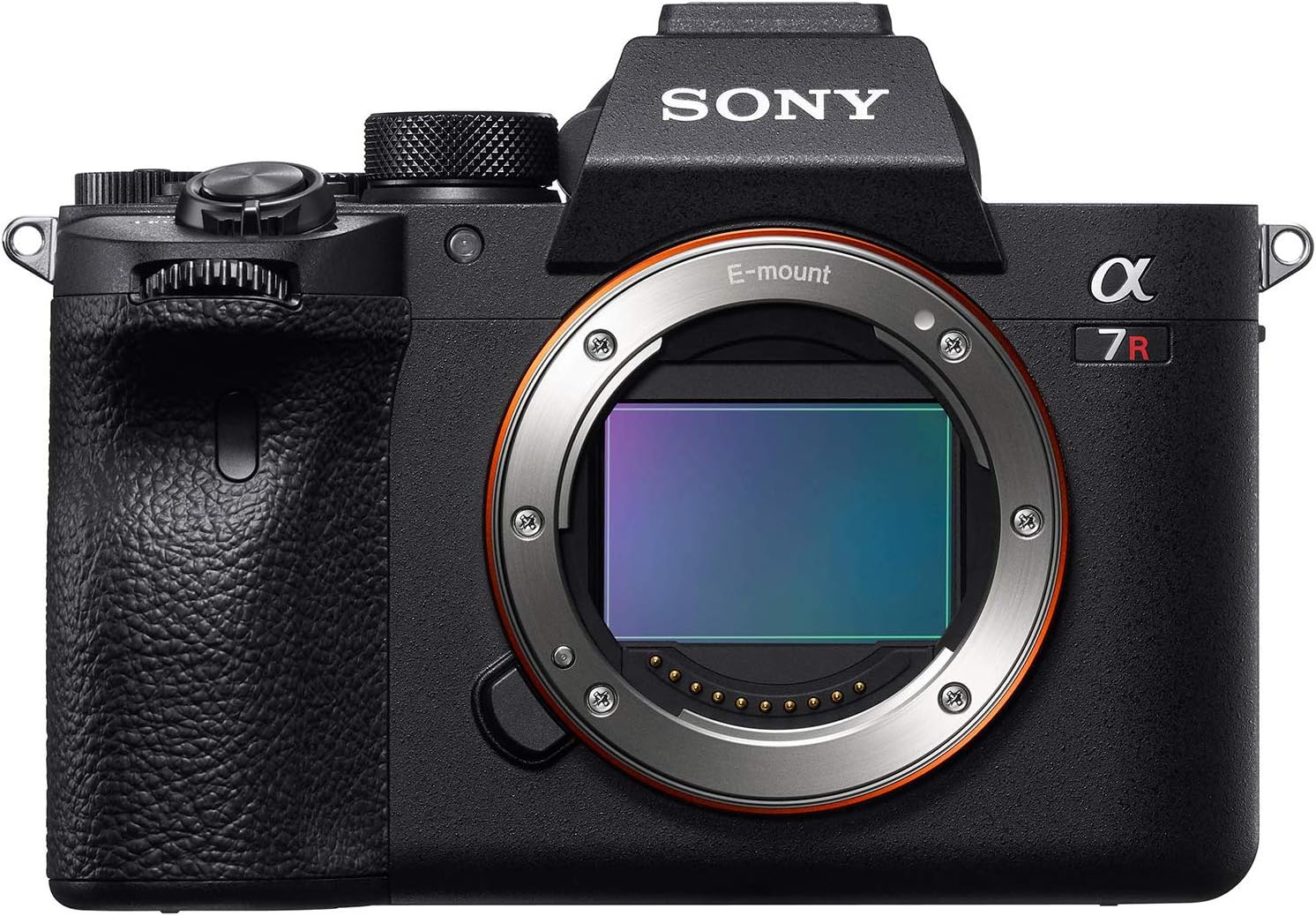
Opening the box felt like unwrapping a premium gadget – clean, minimalist, and serious. Inside, you get the camera body (model ILCE-7M5/B), a strap, a USB-C cable, and… that’s pretty much it. No battery, no charger, no remote. If you’re new to Sony or coming from another system, that might sting – but if you’ve owned any recent Alpha camera, you probably already have a spare NP-FZ100 lying around. Still, at $2,899.99, I wish Sony included at least a basic charger.
The first thing that struck me was the weight. At just under 1.5 pounds (body only), it’s noticeably heavier than my old A7 III – but not uncomfortably so. The grip is deep and ergonomic, and the matte black finish feels premium without being slippery. The dual card slots (CFexpress Type-A + SD UHS-II) are a huge win for pros, and the full-size HDMI port means no more fumbling with adapters during client shoots.
Setting it up was surprisingly smooth. The menu system has been refined – less cluttered than older Sonys – and the new AI-assisted subject recognition kicked in almost instantly when I pointed it at my cat. Speaking of which…
Day 3: Battery Test
I took the A7 V on a full-day photo walk through downtown, shooting mostly in RAW+JPEG, using the EVF about 70% of the time, and recording short 4K clips between sets. I started at 100% battery at 9 AM. By 6 PM – after roughly 680 shots and 22 minutes of video – I was down to 18%. That tracks closely with Sony’s claim of ~630 shots per charge with EVF use.
For context, that’s better than the Canon R6 Mark II and on par with the Nikon Z6 III. And unlike some competitors, the A7 V supports USB-PD charging, so I topped it up during lunch using my phone charger. If you’re a travel shooter or documentarian, this kind of flexibility is a game-changer. Just remember: bring a spare battery if you’re doing all-day events or long timelapses.
One surprise? Even with heavy IBIS use (which Sony claims is now rated for 7.5 stops), battery drain wasn’t noticeably worse than my older camera. The new BIONZ XR2 processor seems to manage power efficiently – especially when paired with the partially stacked 33MP Exmor RS sensor.
Day 7: The Conclusion
After seven days, the Sony Alpha 7 V has earned its place as my primary camera. It’s not perfect – but it comes closer than anything else in its class to being the ultimate hybrid tool.
Let’s talk image quality first. The 33-megapixel sensor delivers stunning detail, especially in well-lit conditions. Colors are natural out of camera, and the improved auto white balance actually works – no more guessing whether your indoor shots will look orange or green. Low-light performance is where it truly shines. At ISO 6400, noise is minimal and textures remain crisp. Even at ISO 12800, images are usable with light denoising in post.
But here’s the catch: JPEG processing is aggressive. Skin tones can look smoothed-over if you’re not careful, and fine textures (like fabric or foliage) sometimes get softened by noise reduction. If you shoot RAW – which you should with this sensor – you’ll unlock far more dynamic range and flexibility. Speaking of which, Sony claims up to 16 stops of dynamic range, and in my tests, I recovered shadow detail from near-black areas without introducing banding or color shifts. That’s huge for high-contrast scenes like backlit portraits or sunset landscapes.
Autofocus? Absolutely stellar. The new AI-powered Real-time Recognition tracks eyes, animals, birds, and even insects with uncanny accuracy. During a family picnic, it locked onto my niece’s face while she was running – and stayed locked through motion blur and partial obstructions (like leaves and hands). In video mode, subject tracking is equally impressive. I filmed a quick vlog while walking backward, and the focus never wavered. The 759 phase-detection points cover 90% of the frame, so you rarely need to recompose.
Video capabilities are strong, though not class-leading. You get 4K 120p (with crop), S-Cinetone color science, and excellent stabilization. But there’s no open-gate recording, and 8K isn’t offered – which feels like a missed opportunity at this price point. That said, for YouTube creators, indie filmmakers, or hybrid shooters, the 4K 60p with 15+ stops of dynamic range is more than enough. The dual native ISO (800 and 3200) helps keep noise down in low light, and the headphone/mic jacks ensure clean audio monitoring.
The in-body image stabilization (IBIS) is phenomenal. I shot handheld at 1/10 sec with a 50mm lens and got sharp results – something I’d normally need a tripod for. This makes the A7 V ideal for run-and-gun documentary work or travel photography where gear weight matters.
Now, the downsides. First, the weight. While manageable, it’s noticeably heavier than APS-C alternatives like the Fujifilm X-H2S. If you’re hiking all day or shooting street photography for hours, fatigue sets in faster. Second, the lack of open-gate video limits cinematic flexibility for serious filmmakers. And third – yes, the JPEG engine can be overzealous. But again, if you’re shooting RAW (and you should), this is a minor gripe.
Verdict
If you’re an enthusiast stepping up from an APS-C camera, a pro looking for a reliable B-camera, or a hybrid creator who needs one body for photos and videos – the Sony Alpha 7 V is arguably the best all-rounder on the market right now. It’s not the highest-resolution (that’s the A7R V’s domain), nor the fastest for sports (hello, A9 III), but for everything else? It’s incredibly hard to beat.
Would I recommend it over the A7 IV? Absolutely – if you can afford the premium. The newer sensor, better AF, superior IBIS, and enhanced video features make the A7 V a meaningful upgrade. Compared to the Canon R6 Mark II, it offers higher resolution and better dynamic range, though Canon’s color science still has a slight edge for some. Against the Nikon Z6 III, Sony wins on autofocus intelligence and lens ecosystem.
In short: this is the camera I’d grab if I could only take one.
Pros & Cons
• High-resolution 33MP full-frame sensor with excellent dynamic range
• Best-in-class AI-powered autofocus with real-time subject recognition
• Superb in-body stabilization (7.5 stops) for handheld shooting
• Impressive battery life with USB-C charging support
• Dual card slots and pro-grade connectivity (HDMI, mic, headphone, dual USB-C)
• Great low-light performance up to ISO 12800
• 4K 120p video with S-Cinetone and strong stabilization
• Aggressive noise reduction in JPEGs (shoot RAW to avoid)
• No open-gate or 8K video recording
• Heavier than many competitors (may fatigue during long shoots)
• Battery and charger not included at this price point
• Older lenses may see slightly slower AF performance (though negligible in practice)
Tags: Sony Alpha 7 V, full-frame mirrorless camera, hybrid camera review, Sony A7V, 33MP camera, 4K 120p video, AI autofocus, BIONZ XR2 processor, Exmor RS sensor, IBIS stabilization, dual card slots, USB-C charging, low-light photography, vlogging camera, professional mirrorless.