
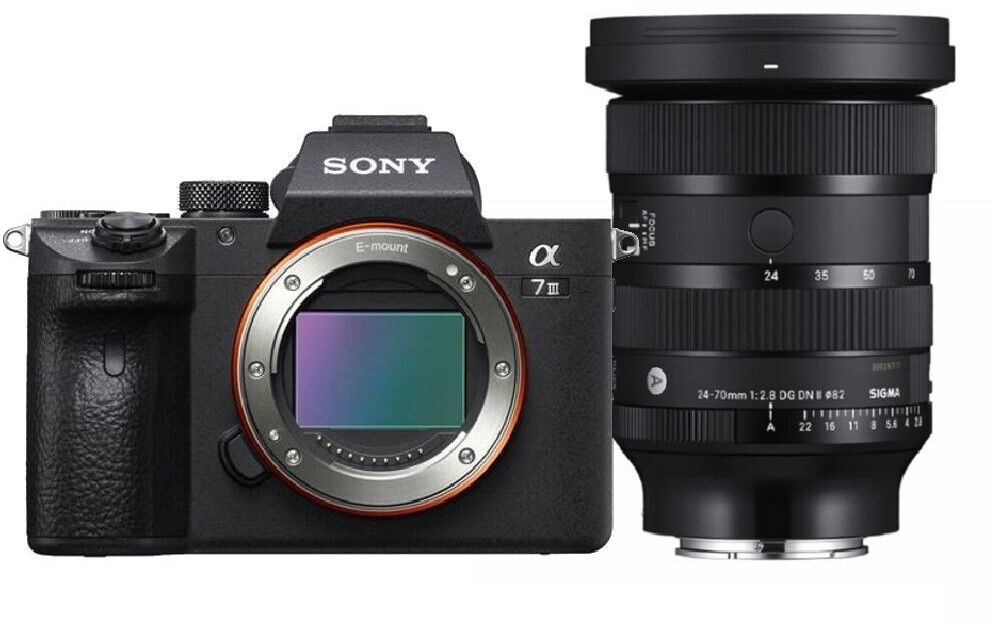
Sony a7 V Long-Term Review: Beyond the Specs Review: Better Than the Competition?
 androfyi May 10, 2026 5 min read 223 views
Mirrorless cameras today promise everything: resolution, speed, video prowess, and rugged reliability. But specs alone don’t tell you what it’s like to rely on a camera during a 10-day assignment in Andalusia, or to track birds in flight at 30 fps without blackout. While Canon’s R6 Mark III and Nikon’s Z6 III offer strong competition in the mid-range full-frame space, Sony’s a7 V stands apart not for flashy headlines – but for quietly solving real problems photographers actually face. After months of real paid work, including weddings, wildlife, and travel shoots, the a7 V proves it’s more than just another incremental update.
The Look & Feel
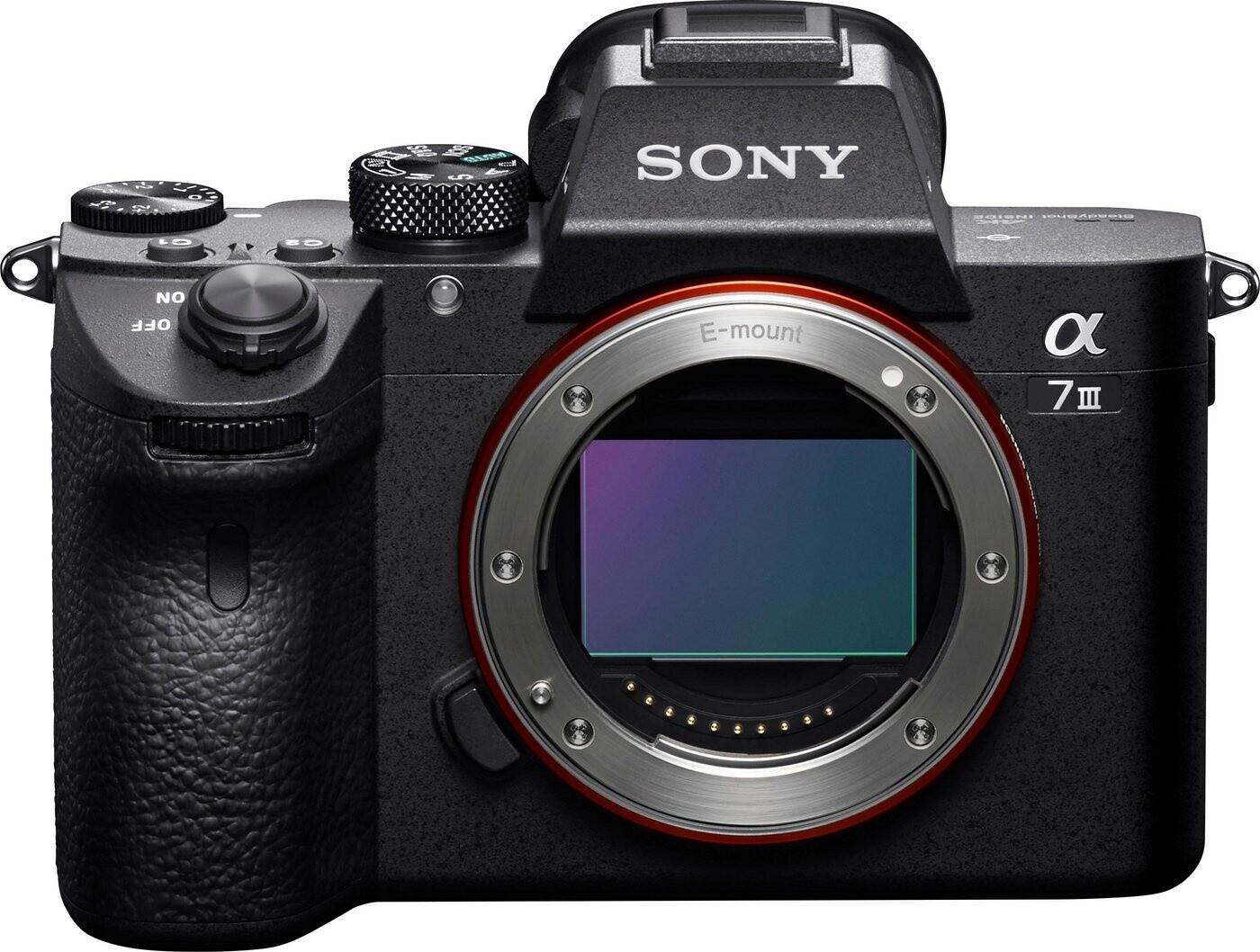
The a7 V keeps Sony’s familiar Alpha silhouette but refines it where it counts. The magnesium alloy body feels solid yet balanced – even with heavy telephotos like the 200-600mm G OSS. The grip is deeper and more contoured, offering confidence during long handheld sessions. Weather sealing has been upgraded around the battery door and card slots, making it genuinely trustworthy in dusty trails or coastal humidity.
But the most transformative physical change? The new 4-axis fully articulating screen. It tilts *and* swings out – giving you the stability of a tilt screen for waist-level shooting and the flexibility of a flip-out for vlogging or odd angles. At 3.2 inches and 2.09 million dots, it’s brighter, sharper, and more responsive than previous models. Touch navigation is snappy, and flipping it forward makes solo content creation finally viable.
Can It Shoot?
Yes – and how. The 33MP partially stacked BSI sensor delivers clean files with excellent dynamic range (14+ stops), letting you recover shadows and tame highlights even in harsh midday sun. Dual-gain ISO performance means low-noise images even at ISO 6400, perfect for golden hour or indoor events.
Autofocus is where Sony continues to lead. The AI-powered subject recognition nails eyes, animals, birds, and even trains with uncanny reliability. In continuous AF at 30 fps (electronic shutter), the a7 V rarely misses – even when tracking erratic movement. Rolling shutter, once a dealbreaker on earlier Sony bodies, is now nearly imperceptible thanks to the 15ms readout speed.
Battery life is a game-changer. On a recent trip to Spain, the review team charged just twice over ten days – leaving the camera powered on in their bag between shoots. Previous Sony models would’ve drained completely overnight. Coupled with dual USB-C ports (one for power, one for data), you can now stream 4K 30p via USB while keeping the battery topped up – no overheating, no shutdowns.
Video doesn’t lag behind: 4K 120p with 10-bit 4:2:2, oversampled from 7K, and no crop in most modes. In-body stabilization (7.5 stops CIPA) works seamlessly with lens OSS – though avoid using both simultaneously, as it can cause slight corner jello.
- Buffer Performance: Holds 95 RAW files or 185 JPEGs – enough for bursts of birds in flight or dance floor chaos.
- Electronic Shutter: Silent operation ideal for ceremonies, wildlife, or podcast recording.
- Pre-Capture: Records up to 1 second *before* you press the shutter – perfect for catching that split-second leap or smile.
Comparison: Sony a7 V Long-Term Review: Beyond the Specs vs Rivals
Against the Canon EOS R6 Mark III, the a7 V wins on resolution (33MP vs 24MP), buffer depth, and video flexibility (Canon tops out at 4K 60p with heavy crop). Nikon’s Z6 III matches Sony in stabilization and offers great color science, but lacks the a7 V’s AI-driven AF and Pre-Capture feature. Meanwhile, the a7 IV – still a fantastic camera – feels dated next to the V: slower readout, weaker battery, and no articulating screen.
Where the a7 V truly shines is as a “do-it-all” tool. It’s not the fastest (that’s the a9 III) or highest-res (hello, a7R V), but it balances everything so well that it fades into the background – letting you focus on the shot, not the gear. As one pro put it: “It’s the baby a1 without the baby a1 price tag.”
Should You Upgrade?
Pros
- Exceptional real-world battery life
- Best-in-class hybrid AF with AI subject detection
- Fully articulating screen enables creative framing
- No overheating in 4K 60p or streaming
- Pre-Capture saves missed moments
Cons
- No global shutter (unlike a9 III)
- CFexpress Type A cards required for max video performance
- Slight corner jello when combining IBIS + OSS
Tags: Sony a7 V review, mirrorless camera comparison, full-frame hybrid camera, best camera for wildlife, Sony vs Canon, Sony vs Nikon, long-term camera test, professional photography gear, 4K video camera, battery life test, autofocus performance, travel photography camera, Pre-Capture feature, articulating screen camera, Sony Alpha series