
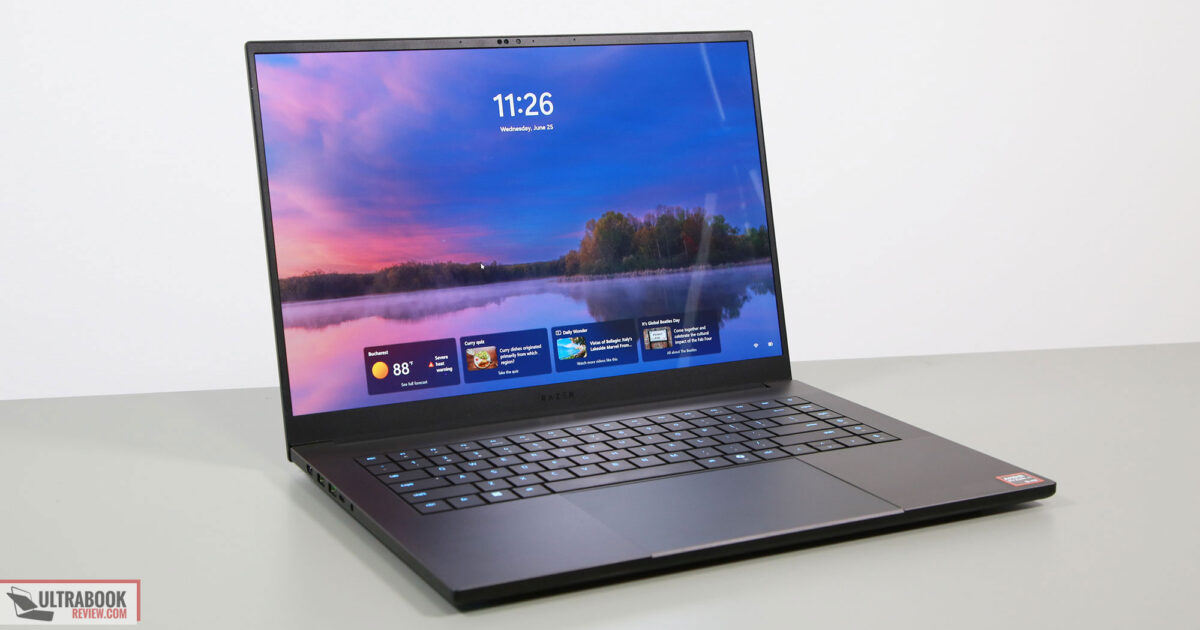
I Swapped My Old Device for the Razer Blade 16 longer term review, 3 months later (2025): My Experience
 androfyi
May 17, 2026
5 min read
275 views
androfyi
May 17, 2026
5 min read
275 views
Three months ago, I unboxed the Razer Blade 16 (2025) with a mix of excitement and skepticism. As someone who’s used bulky “desktop replacement” laptops for years, I wasn’t sure Razer could deliver flagship RTX 5090 performance in a chassis under 0.7 inches thick. But after daily use across gaming sessions, video editing, coding sprints, and even weekend travel, this machine has reshaped my expectations of what a portable high-performance laptop can be – even if it’s not without compromises.
Unboxing & Design & Build
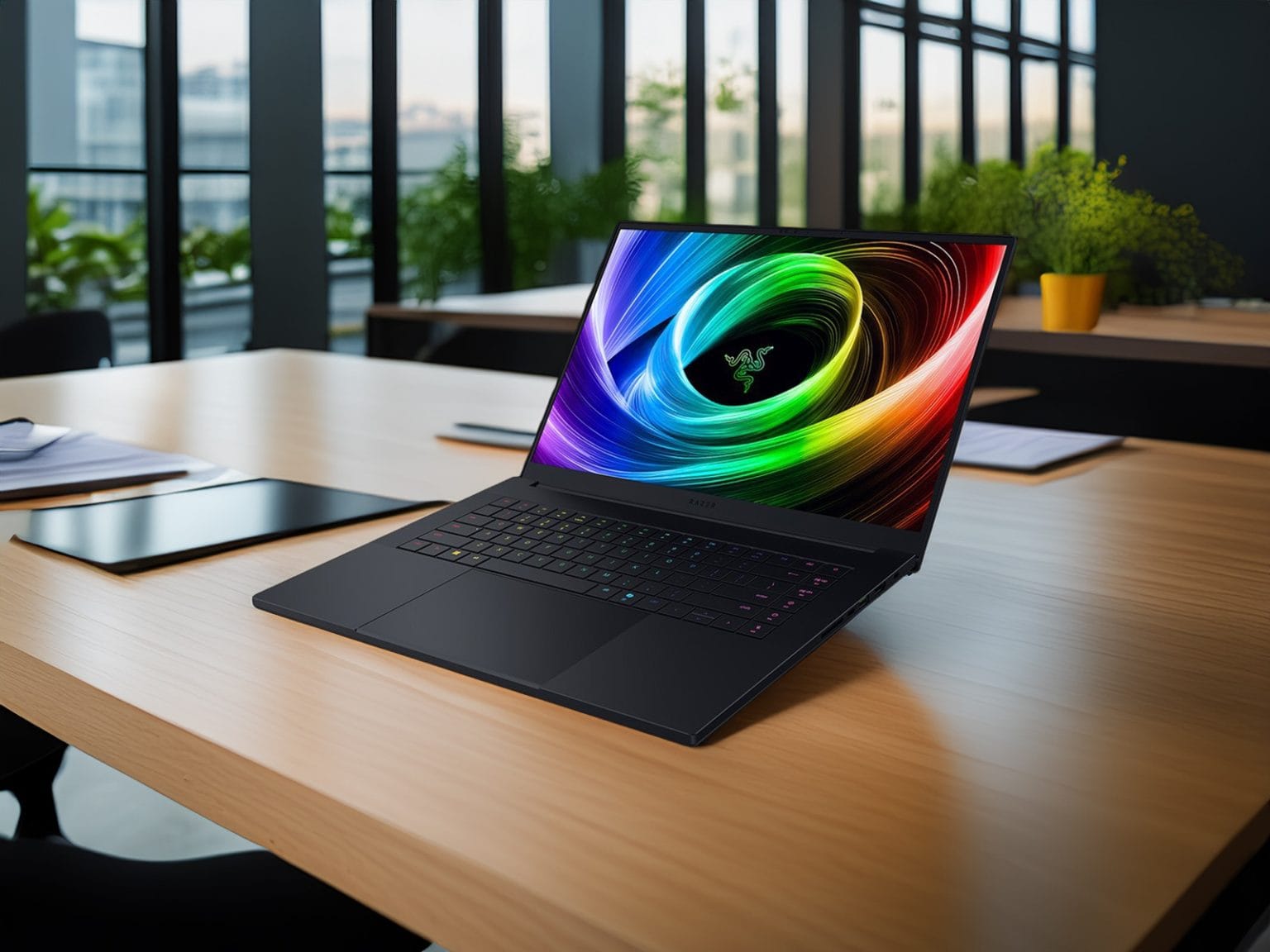
The moment you lift the Blade 16 out of its minimalist black box, you feel it: this is a serious piece of engineering. The CNC-milled aluminum body in matte anodized black is rock-solid, with zero flex or creaking – even after months of backpack commutes and coffee shop setups. At just 4.6 pounds and 0.59 inches at its thinnest, it slips into bags easily, yet still feels premium enough to sit beside a MacBook Pro without looking out of place.
Razer kept the iconic green triple-snake logo on the lid, but toned down the gamer aesthetic elsewhere. The hinge is smooth and sturdy, opening cleanly with one hand. I do miss the privacy shutter on the 2MP IR camera, though low-light performance remains solid. The six-speaker system, tuned with THX Spatial Audio, delivers surprisingly rich sound – great for movies and immersive games, if a tad muddy compared to Apple’s studio-grade output.
24 Hours Later: Display Quality
Right out of the gate, the 16-inch OLED panel stole the show. With a 2560 x 1600 resolution and 240Hz refresh rate, everything from scrolling web pages to fast-paced shooters feels buttery smooth. Colors pop with near-infinite contrast, blacks are truly black, and HDR content (peaking at 500 nits) looks cinematic. It’s not as pixel-dense as the MacBook Pro’s mini-LED display, but the variable refresh rate makes motion handling far superior for gaming.
After weeks of use, I haven’t noticed any burn-in – a common concern with OLED – but I do keep screen savers active and avoid static HUDs during long sessions. The only nitpick? The bottom bezel is noticeably thicker than the others, which feels like a design oversight on an otherwise sleek machine.
One Week Later: Real-World Speed
Powered by the AMD Ryzen AI 9 HX 370 and an RTX 5090 (24GB VRAM), this laptop handles everything I throw at it – but with caveats. In raw CPU tasks like video encoding or compiling code, it’s fast, though Intel’s HX-series chips still hold a slight edge in multi-core workloads. Where it truly shines is AI-enhanced workflows: Adobe Premiere leverages the NPU for faster effects rendering, and local LLMs run smoothly thanks to the dedicated AI engine.
Gaming performance is strong, but not earth-shattering. The RTX 5090 here performs closer to a desktop RTX 5070 due to thermal and power limits in the slim chassis. That said, DLSS 4 with Multi Frame Gen is a game-changer – it nearly doubles frame rates in supported titles like *Cyberpunk 2077* and *Alan Wake 2*, making 240Hz gameplay actually achievable. Without it, though, you’re often capped around 90–120 FPS at native resolution.
Thermals are a mixed bag. Under heavy load, the bottom gets uncomfortably hot, and the fans ramp up quickly in Performance mode – sometimes hitting 50+ dBA. Balanced mode helps, but even Silent mode feels more like “Quiet-ish” than truly silent. That said, Razer’s vapor chamber cooling (covering 57% of the motherboard) does a commendable job keeping throttling in check during extended sessions.
Battery life surprised me: I consistently get over 7 hours of web browsing and nearly 2.5 hours of gaming on a charge – remarkable for a laptop this powerful. The 280W power brick is smaller than last year’s 330W unit, though still chunky at nearly 2 pounds.
The Bottom Line
After three months, the Razer Blade 16 (2025) remains one of the most compelling thin-and-light performance laptops available. It sacrifices some raw power for portability, but compensates with best-in-class build quality, a stunning OLED display, excellent battery life, and thoughtful upgrades like the improved keyboard and expansive port selection (including USB4, HDMI 2.1, and a full-size SD reader).
It’s not perfect – thermal management under load is aggressive, upgrades get pricey fast, and Multi Frame Gen is essential to unlock the GPU’s potential – but for creators and gamers who refuse to lug around a brick, this is as close to ideal as it gets in 2025.
Pros & Cons
- Vivid OLED display: Gorgeous colors, deep blacks, and buttery 240Hz refresh make everything look and feel premium.
- Superb build quality: All-metal CNC aluminum chassis feels indestructible and professional.
- Excellent battery life: Over 7 hours of web use and nearly 2.5 hours of gaming – rare for a high-performance laptop.
- Great port selection: USB4, HDMI 2.1, UHS-II SD card reader, and more – no dongle life required.
- Improved keyboard & audio: 1.5mm key travel feels responsive, and THX-tuned speakers deliver immersive sound.
- Gets very hot under load: Bottom chassis becomes uncomfortable during intensive tasks.
- Fan noise in Performance mode: Loud even by gaming laptop standards; Silent mode could be quieter.
- Expensive upgrades: RTX 5090 config hits $4,499 – consider mid-tier GPUs for better value.
- Trackpad quirks: Large size causes occasional palm rejection issues; click requires firm press.
- Multi Frame Gen dependency: Raw GPU gains over RTX 4090 are modest without AI frame generation.
Tags: Razer Blade 16, 2025 gaming laptop, RTX 5090 laptop, AMD Ryzen AI 9 HX 370, OLED display laptop, thin gaming laptop, long-term review, DLSS 4, vapor chamber cooling, portable performance laptop, Razer Blade 16 review, Windows 11 gaming, high-refresh laptop, creator laptop, premium gaming notebook