I Swapped My Old Device for the Xiaomi 15 Ultra: The perfect smartphone for photographers: My Experience


As someone who’s spent years lugging around a Canon R5 and a Leica Q3 43 for street and travel photography, I never thought a smartphone could seriously challenge my kit. But after using the Xiaomi 15 Ultra for over a week – shooting everything from misty Scottish mornings to bustling city nights – I’m convinced this isn’t just another phone with a good camera. It’s a legitimate tool for serious photographers who want portability without compromise.
Unboxing & First Impressions
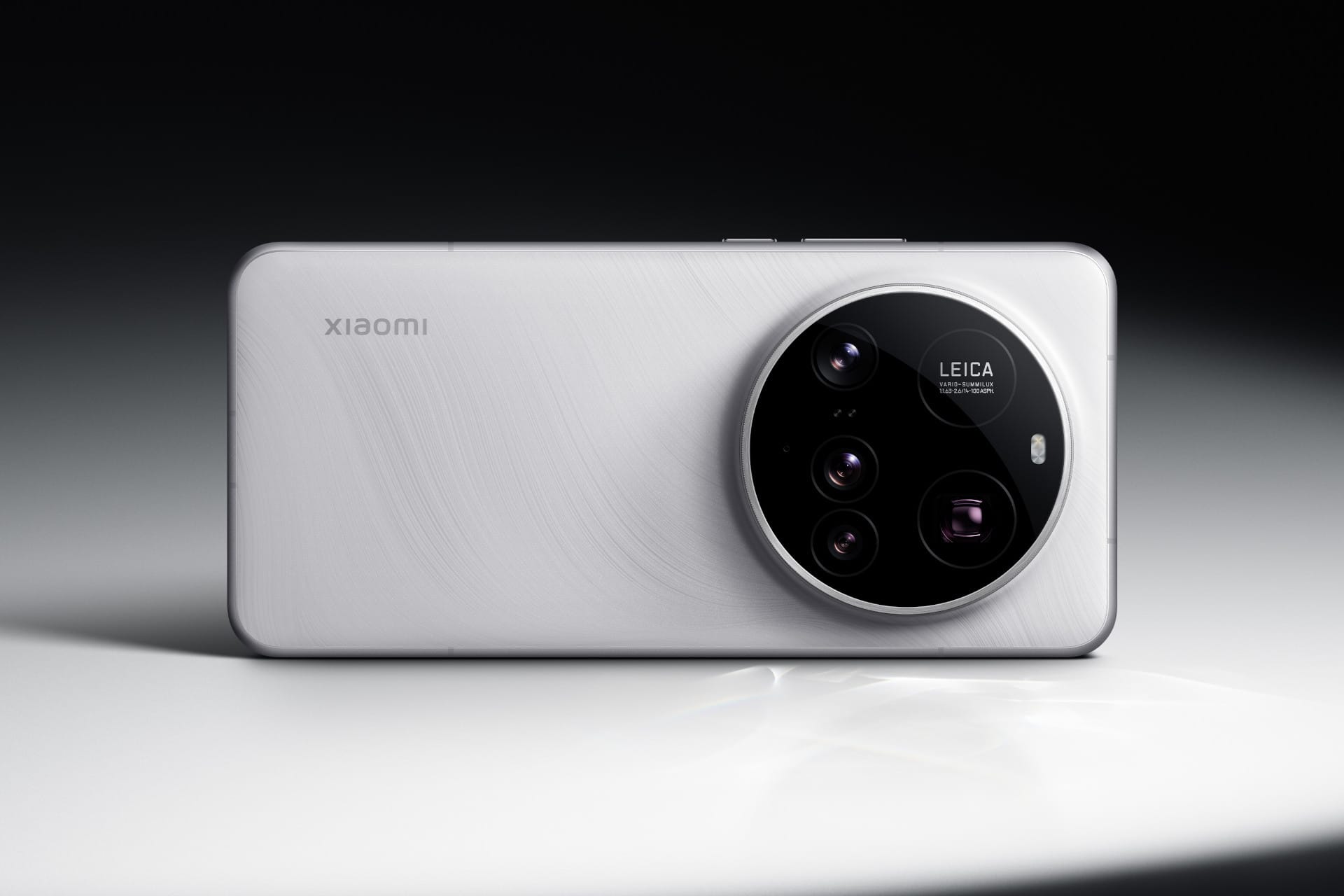
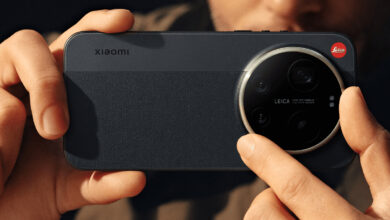
The moment you lift the Xiaomi 15 Ultra from its box, you feel the heft – and it’s not just weight, it’s purpose. The matte glass back, aluminum frame, and that distinctive circular camera module scream “pro.” But the real game-changer? The optional Photography Kit (sold separately, sadly). Slapping it on transforms the phone into something resembling a compact mirrorless camera: grippy, balanced, and blessed with tactile controls like a half-press shutter button and a command dial. It even adds a 2,000mAh battery – giving you 33% more shooting time. For photographers, this isn’t an accessory; it’s essential.
24 Hours Later: Visuals & Brightness
The 6.73-inch LTPO AMOLED display is stunning – not just because of its WQHD+ resolution or Dolby Vision support, but because it’s bright enough to compose shots under harsh midday sun (3,200 nits peak). Colors pop, shadows retain detail, and the slight bevel around the edges keeps it sleek without sacrificing screen real estate. Compared to the Galaxy S25 Ultra’s unwieldy 6.9-inch slab, the 15 Ultra feels just right: big enough for framing, small enough to pocket.
And while I was initially disappointed it didn’t hit 5,000 nits like the Honor Magic 7 Pro, in real-world use, 3,200 nits is more than sufficient – even in direct sunlight, histograms stay readable and focus peaking (when enabled) remains sharp.
One Week Later: Under the Hood
Let’s talk cameras – because that’s why you’re here. The quad-lens setup, co-engineered with Leica, is a masterclass in versatility:
- Main Camera: The same Sony LYT-900 1-inch sensor from the 14 Ultra delivers exceptional dynamic range and low-light performance. Yes, it’s not new hardware, but paired with an f/1.63 aperture, it captures stunning detail with natural bokeh – no oversharpening, no artificial HDR halos.
- Ultrawide: Now at a practical 14mm equivalent (up from 12mm), it’s great for landscapes, though the narrower f/2.2 aperture means it’s softer in dim light. Still, colors match the main sensor well.
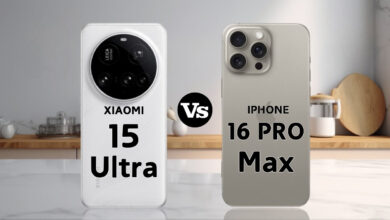
- Floating Telephoto: A 50MP, 70mm lens with f/1.8 aperture handles 3x optical zoom and doubles as a superb macro shooter – beating the iPhone 16 Pro Max and Pixel 9 Pro in close-up clarity.
- Periscope Telephoto: This is the star. The 200MP Samsung Isocell HP9 sensor (same as Vivo X200 Pro) at 100mm (4.3x zoom) lets in 136% more light than its predecessor. Use Ultra HD mode for full 200MP shots, or bin down to 50MP/12.5MP for cleaner images. Digital zoom goes to 120x, but even at 10x–20x, textures remain impressively crisp.
The native camera app deserves praise too. Tapping the 1x lens quickly switches to 28mm or 35mm – a feature I loved on the iPhone and now appreciate here. Pro modes offer granular control over ISO, shutter speed, and white balance, while the Photography Kit unlocks a dedicated Fastshot interface for rapid composition.
Performance-wise, the Snapdragon 8 Elite chip chews through 8K video editing and multitasking like it’s nothing. With 16GB RAM and UFS 4.1 storage (up to 1TB), lag is nonexistent – even when switching between four high-res lenses mid-shot.
The Bottom Line
Is the Xiaomi 15 Ultra perfect? No. The lack of a variable aperture on the main lens is a genuine loss for creative control, and the auto mode can be underwhelming if you expect point-and-shoot simplicity. Plus, at this price point, bloatware feels out of place, and U.S. buyers are out of luck (no official availability).
But if you’re a photographer who values image quality, lens flexibility, and tactile shooting experience over convenience, this phone delivers in spades. I’ve posted 15 Ultra shots alongside my Leica and Canon images in my portfolio – and no one guessed which was which.
Pros & Cons
- Class-leading 1-inch main sensor for unmatched detail and dynamic range
- Four high-resolution Leica lenses covering 14mm to 200mm focal lengths
- Photography Kit adds real camera controls – shutter button, dial, grip, and extra battery
- 200MP periscope telephoto with excellent light capture and cropping flexibility
- Bright, vibrant 6.73″ AMOLED display with Dolby Vision and 3,200-nit peak brightness
- Extremely expensive – hard to justify unless photography is your priority
- Photography Kit sold separately and adds significant cost
- No variable aperture on main lens (a downgrade from 14 Ultra)
- Not available in the U.S. or Canada officially
- Auto mode lacks polish – best results require manual tweaking
Tags: Xiaomi 15 Ultra, smartphone photography, Leica camera phone, 200MP telephoto, 1-inch sensor, Photography Kit, mobile photography, flagship Android, periscope zoom, pro camera phone, Snapdragon 8 Elite, WQHD+ display, macro photography, low-light camera, Xiaomi camera review