I Swapped My Old Device for the DJI Mavic 4 Pro Review – 100 Megapixels Just a Big Number?: My Experience

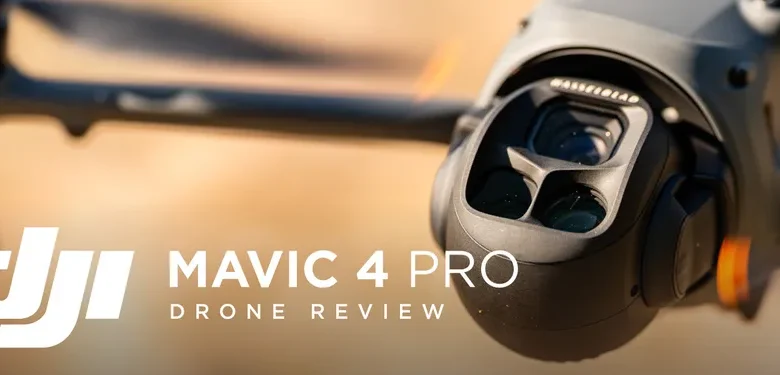
After flying the Mavic 3 Pro for nearly two years on everything from desert landscapes to urban real estate shoots, I was skeptical when DJI announced the Mavic 4 Pro with its headline-grabbing “100 megapixels.” My first thought? Another spec bump dressed up as innovation. But after logging over 40 flight hours across Colorado’s alpine trails and the sunbaked Southwest, I’m convinced this isn’t just a numbers game – it’s a meaningful leap forward, even if that 100MP mode demands some caveats.
Unboxing & Design & Build
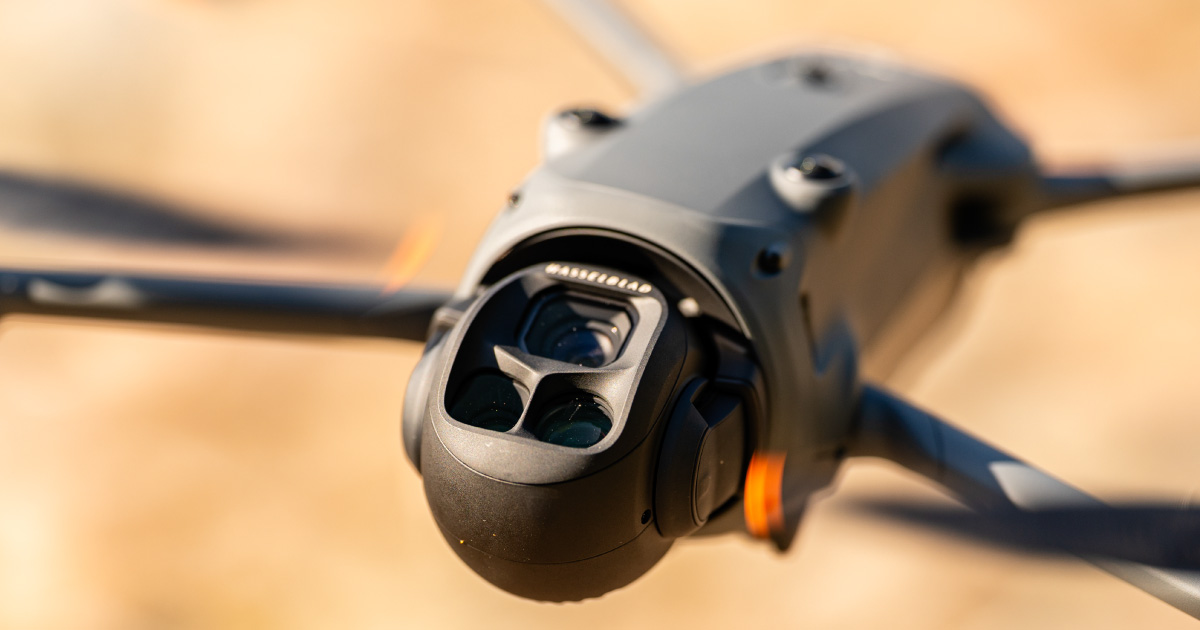
The Mavic 4 Pro feels immediately more substantial than its predecessor – 1063g vs. 958g – but that extra weight translates to rock-solid stability in gusty conditions. The foldable arms lock in place with satisfying precision, and the new C2 class marking means it’s compliant with European drone regulations without sacrificing portability. At 258 x 125 x 107 mm folded, it still slips into a backpack, though you’ll notice the heft.
What surprised me most? The gimbal. DJI calls it a “360° rotating” or even “infinity gimbal,” but let’s be clear: it rolls from -40° to +400°, then hits a hard stop. Still, that near-full rotation enables vertical 4K60 video without rotating the drone – a game-changer for social content creators. Just don’t expect true infinite spin.
24 Hours Later: Is the Display Good?
If you opt for the Creator Combo with the DJI RC Pro 2, you’re getting one of the best drone controllers on the market. The 5.5-inch 1080p OLED screen is bright, color-accurate, and remains visible under direct sunlight – a huge upgrade over phone-based setups. OcuSync 4+ transmission held strong at 15+ km in open terrain, though urban canyons still cause occasional signal dips.
But here’s the real test: image preview quality. Even in the field, I could confidently judge exposure and focus using the live feed, thanks to minimal latency and excellent dynamic range representation. That said, the lack of a quick toggle for high-res photo modes (like 100MP) is frustrating – I accidentally shot dozens of unnecessarily large files because the menu-only switch isn’t intuitive mid-flight.
One Week Later: Speed & Power
DJI claims 51 minutes of flight time. In reality? Expect 35–40 minutes under mixed-use conditions (hovering, tracking, wind resistance). That’s still impressive – and notably better than the Mavic 3 Pro’s real-world ~30 minutes – but don’t plan cinematic sequences assuming full battery longevity.
Top speed hits 56 mph in Sport Mode, though obstacle avoidance and gimbal limits often cap practical velocity. The omnidirectional sensors, now enhanced with front LiDAR, are noticeably sharper in low light. I tracked a runner at dusk through sparse trees, and ActiveTrack 360° kept them framed even when partially obscured – something the Mavic 3 Pro would’ve lost.
The Bottom Line
So – is 100 megapixels just a big number? Not entirely. While the Quad Bayer sensor doesn’t deliver true 100MP resolution (it’s essentially a 25MP sensor using pixel binning), the resulting files show noticeably finer detail than upscaled 25MP shots – especially in textures like bark, fabric, or foliage. More importantly, high-ISO performance is revolutionary: noise is minimal even at ISO 3200, making night drone photography finally viable.
The triple-camera system (28mm, 70mm, 168mm) now supports high-res modes across all lenses, and video gets a serious boost with 6K60 on the main sensor and 4K120 on the 2.5x tele. Vertical video mode? Brilliant for Instagram Reels without post-cropping.
Yes, it’s pricey – and yes, DJI dominates this space – but the Mavic 4 Pro isn’t just incremental. It’s the first consumer drone that feels like a true hybrid imaging tool, not just a flying camera.
Pros & Cons
- Image Quality: Stellar detail, especially in 25MP default mode; 100MP offers tangible gains over upscaling.
- Low-Light Performance: Massive ISO improvement – usable shots at ISO 3200+.
- Triple Camera Flexibility: Seamless switching between 28mm, 70mm, and 168mm with consistent color science.
- Vertical Video Mode: Native 4K60 social-ready footage without gimbal rotation.
- RC Pro 2 Controller: Premium build, excellent screen, and responsive controls.
- Battery Life: Real-world 35–40 mins is still class-leading.
- 100MP Mode Workflow: No quick toggle or on-screen indicator – easy to forget and waste storage.
- Storage Demands: 100MP photos and 6K video consume 50GB+ per hour; 64GB internal isn’t enough.
- Gimbal Limits: “Infinity” claim is misleading – hard stop at 400° requires manual reset.
- Weight: Heavier than Mavic 3 Pro – less ideal for ultralight travel.
- Price: Premium cost, especially with Creator Combo.
Tags: DJI Mavic 4 Pro, drone review, 100MP camera, Quad Bayer sensor, 6K video, aerial photography, Mavic 3 Pro upgrade, Hasselblad drone, OcuSync 4+, RC Pro 2, vertical video, low-light drone, professional drone, foldable drone, C2 class drone